
Why the Southwest Parks Feel So Different From Each Other
It's easy to lump together Grand Canyon, Zion, Bryce Canyon, Arches, and Canyonlands into one mental category — red rocks, desert, iconic scenery — but each park delivers a genuinely distinct experience. The geology shifts, the crowd patterns differ, the hiking demands change, and the best time to visit varies by more than you'd expect. This reference breaks down what actually sets each park apart so you can match the right destination to your trip style, energy level, and schedule.
If you're combining parks into a longer drive, see our road trip planning guide for help sequencing stops efficiently.
Park-by-Park Snapshot
Grand Canyon National Park (Arizona)
The Canyon's scale is genuinely hard to process in person — up to 18 miles wide, 277 miles long, and over a mile deep. Most visitors see the South Rim, which is open year-round and by far the most visited. The North Rim is quieter and sits about 1,000 feet higher, but it closes roughly mid-October through mid-May due to snow. Hiking into the canyon is a serious undertaking — heat, altitude, and dehydration are real hazards. The park issues hike-to-the-river-and-back-in-one-day warnings for good reason. Crowds peak in summer (June–August); spring and fall offer more manageable conditions.
Zion National Park (Utah)
Zion's signature feature is its narrow canyon carved by the Virgin River. The famous Angels Landing and The Narrows trails draw enormous crowds — Zion is consistently one of the most-visited parks in the country. A mandatory shuttle system runs through Zion Canyon most of the year to manage traffic. Permits are now required for Angels Landing; plan well ahead. Spring brings wildflowers but also flash flood risk in slot canyons. The terrain here feels lush compared to other Southwest parks — cottonwood trees, hanging gardens, and a river running through it.
Bryce Canyon National Park (Utah)
Bryce isn't technically a canyon — it's a series of natural amphitheaters eroded into the Paunsaugunt Plateau. The park is famous for its hoodoos: tall, thin spires of rock in shades of orange, red, and white. At elevations between 8,000 and 9,100 feet, Bryce is significantly cooler than the canyon parks below. Snow often lingers into spring and arrives early in fall. Crowds are heavy at Bryce Point and Sunrise Point, but trails like Peek-a-Boo Loop allow you to get down among the hoodoos with less congestion if you start early.
Arches National Park (Utah)
More than 2,000 natural sandstone arches — the highest concentration on Earth — make Arches immediately recognizable. Delicate Arch is the most photographed, appearing on Utah's license plate. The park near Moab has seen dramatic visitation spikes; timed-entry reservations are typically required during peak season (spring and summer). Summers are brutally hot, with temperatures regularly exceeding 100°F. Morning visits are strongly advisable. The landscape here feels more open and exposed than Zion's enclosed canyon.
Canyonlands National Park (Utah)
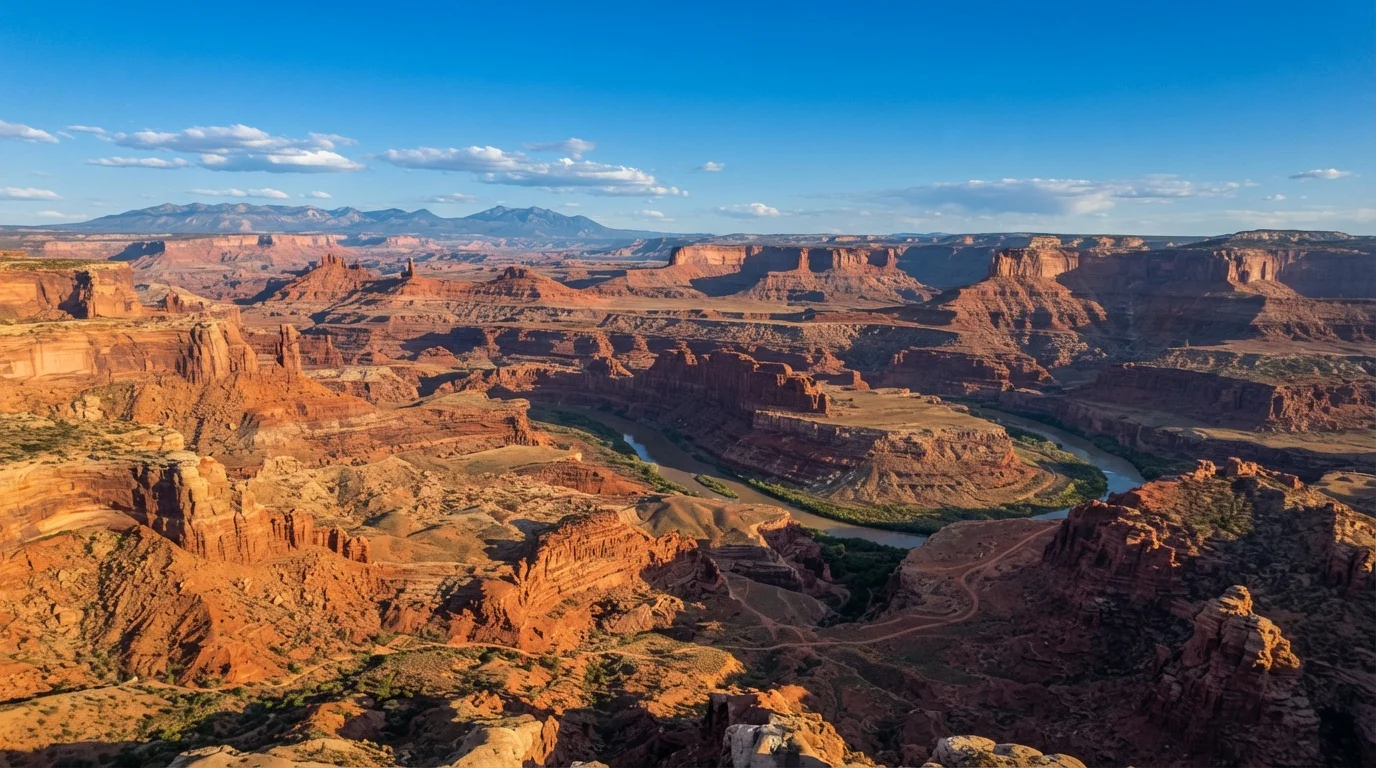
Canyonlands is Arches' quieter, wilder neighbor. Divided into three distinct districts — Island in the Sky, The Needles, and The Maze — it requires more planning and vehicle clearance for backcountry access. Island in the Sky offers paved-road access and panoramic overlooks. The Maze is remote enough that it attracts experienced backpackers and four-wheel-drive enthusiasts. If you want dramatic Southwest scenery with far fewer people, Canyonlands rewards the extra effort.
Hoodoo
A tall, thin spire of rock formed by erosion, most commonly found at Bryce Canyon. They form when harder rock caps a softer column, protecting it from weathering while surrounding rock erodes away.
Slot Canyon
A narrow canyon carved by water erosion, often only a few feet wide but dozens of feet deep. The Narrows in Zion is one of the most famous examples; flash floods are a serious hazard in these formations.
Timed-Entry Reservation
A park access system requiring visitors to reserve a specific arrival window in advance, used to manage overcrowding at high-demand parks like Arches and parts of Zion.
Backcountry
Undeveloped areas of a park away from paved roads, visitor centers, and maintained trails. Backcountry travel typically requires permits and advanced outdoor skills, as at Canyonlands' Maze district.
Rim
The edge of the Grand Canyon plateau. The South Rim and North Rim offer very different experiences — the South Rim is open year-round and heavily visited, while the North Rim is remote and seasonally closed.
Choosing the Right Park for Your Group
First-timers or families with young children often find Bryce Canyon and the Grand Canyon South Rim most accessible — paved overlooks offer stunning views without a strenuous hike. Active hikers and adventure-seekers tend to prioritize Zion (The Narrows, Angels Landing) or Canyonlands backcountry. Photography enthusiasts gravitate toward Arches and Bryce for their surreal formations and reliable golden-hour light.
Combining parks? Zion, Bryce, and the North Rim of the Grand Canyon form a logical triangle in southern Utah and northern Arizona. Arches and Canyonlands are both near Moab, making them natural pairs. For a broader look at how park trips compare to other travel styles, this destination matching guide is a useful starting point.
Entry fees, reservation systems, and road closures change seasonally. Always verify current conditions and permit requirements directly with the National Park Service before your visit — nps.gov is the authoritative source. And if you're deciding between flying into a hub city versus driving between parks, this western US comparison lays out both approaches clearly.
Check Conditions Before You Go
Permit systems, timed-entry requirements, road closures, and seasonal access all change from year to year at Southwest parks. What applied last season may not apply when you visit. Always check the official NPS page for your specific park at nps.gov before booking lodging or committing to a route. This is especially critical for Angels Landing permits, North Rim access, and Arches timed entry.