How to Use This Snapshot
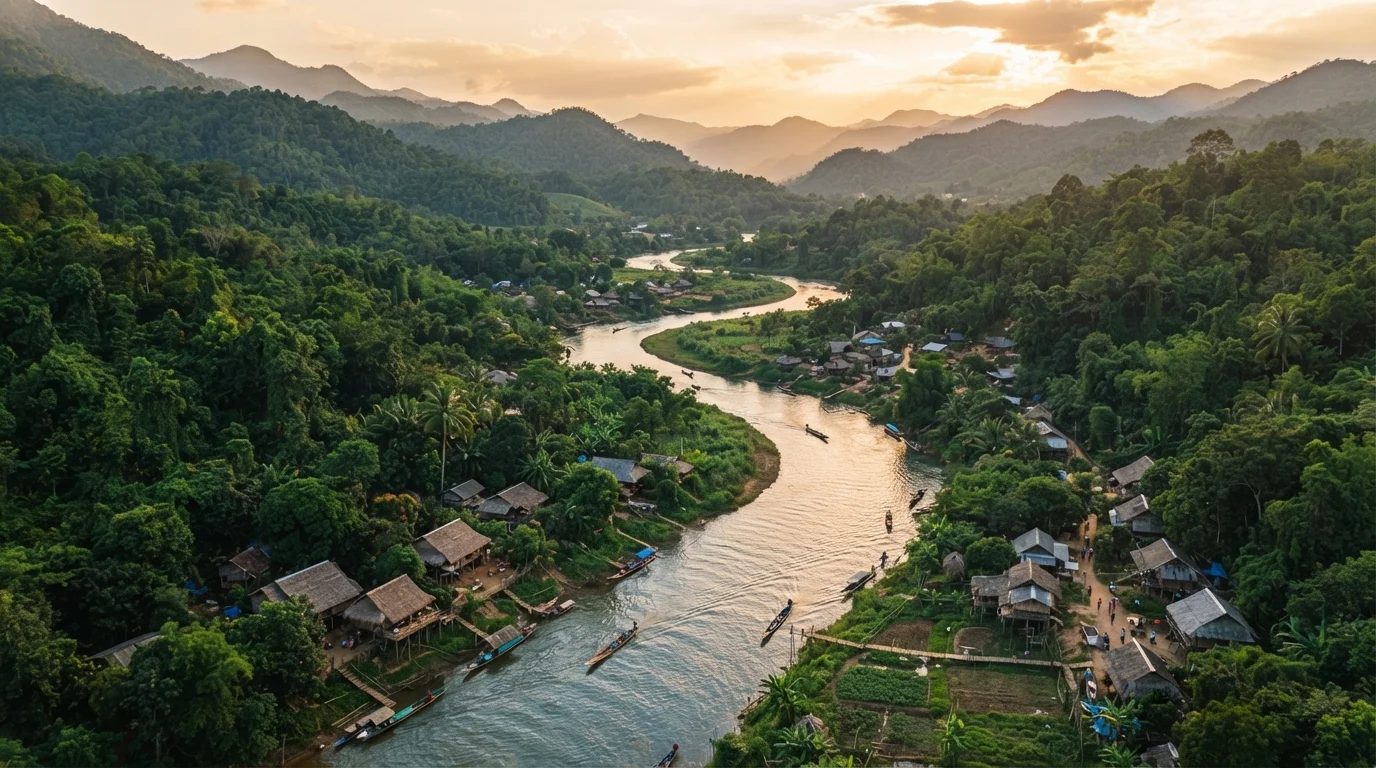
Southeast Asia draws millions of American travelers every year — and for good reason. But Thailand, Vietnam, Cambodia, Indonesia, and the Philippines are not interchangeable destinations. Each has its own visa rules, climate patterns, travel rhythms, and cultural expectations. This reference guide gives you a country-by-country overview so you can build a route that fits your timeline and interests.
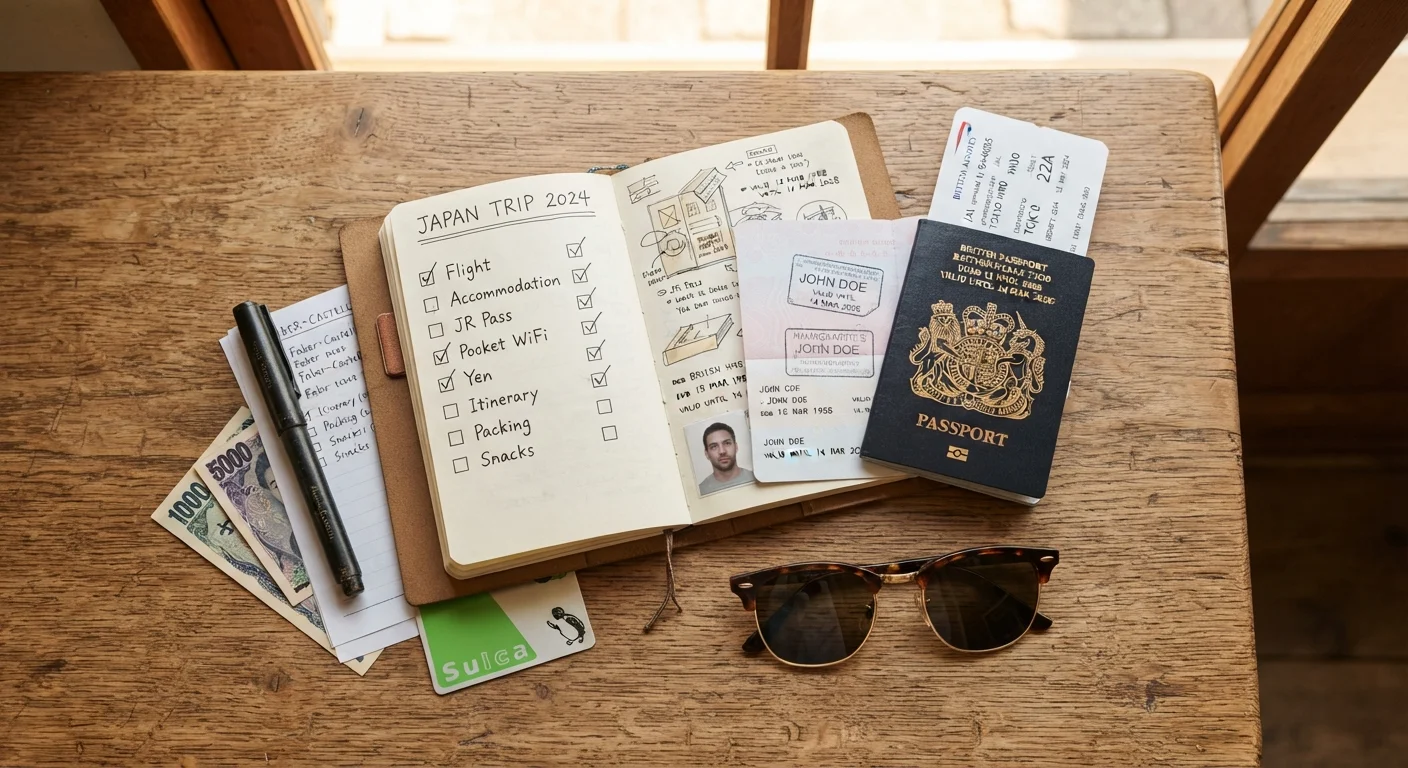
Before diving in, make sure your passport is valid and your documents are in order. Our pre-trip checklist covers everything from vaccination records to home security before you fly.
A note on entry requirements: Visa rules, vaccination requirements, and border policies change frequently. Always verify current requirements through the official embassy websites and the U.S. State Department's travel portal before booking.
Country-by-Country Breakdown
Thailand
Thailand remains one of the most accessible entry points into the region. Most Americans receive a visa-exemption stamp on arrival, typically valid for 30 days (verify current terms before travel). Bangkok anchors most itineraries, offering temples, street food markets, and easy rail connections. The north — Chiang Mai, Chiang Rai — draws trekkers and culture seekers. Southern islands like Koh Samui and Phuket are beach-focused. Dry season: November through April in most regions.
Vietnam
Vietnam's long north-to-south geography means climate varies dramatically by region. Hanoi and Ha Long Bay sit in the north, Hoi An and Da Nang in the central coast, and Ho Chi Minh City in the south. An e-visa is available for U.S. citizens, valid for 90 days. Vietnam is particularly popular for its cuisine, French colonial architecture, and relatively affordable travel costs. Budget extra time — the country rewards slow travel.
Cambodia
Cambodia is anchored by Angkor Wat near Siem Reap, one of the most extraordinary archaeological sites in the world. Phnom Penh, the capital, offers important historical context through its museums and memorials. U.S. citizens can obtain a visa on arrival or an e-visa. The dry season runs roughly November through April. Travelers should approach the country's history with respect and curiosity — it is central to understanding modern Cambodia.
Indonesia
Indonesia spans over 17,000 islands, which makes it a destination that demands focus. Bali is the most visited island by Americans and offers a well-developed tourism infrastructure, surfing, rice terraces, and Hindu temple culture. Lombok, Java (home to Yogyakarta and Borobudur), and the Komodo Islands each offer distinct experiences. U.S. citizens receive a visa-free entry for tourism stays up to 30 days in many cases — confirm current terms before travel. Rainy and dry seasons vary significantly by island.
The Philippines
The Philippines is an archipelago of more than 7,600 islands, with Palawan, Cebu, and Siargao drawing the most international attention. English is widely spoken, which makes navigation straightforward for American travelers. U.S. citizens can enter visa-free for up to 30 days. The dry season runs roughly December through May in most areas, though typhoon patterns can affect the east coast year-round. Island-hopping by ferry or small aircraft is standard here.
Planning Your Route
Most travelers combine two or three countries in a single trip. A common route pairs Thailand with Vietnam, or Bali with a quick hop to Cambodia. Consider the following when sequencing your itinerary:
- Flight hubs: Bangkok (BKK/DMK), Singapore (not covered here but a frequent layover), and Kuala Lumpur are the main regional hubs with affordable intra-Asia connections.
- Overland options: Vietnam and Cambodia share a border crossing near Moc Bai/Bavet. Thailand and Cambodia share crossings near Aranya Prathet. Confirm current crossing conditions before relying on these routes.
- Budget considerations: Daily costs vary widely. Vietnam and Cambodia tend to be more affordable than Bali's tourist zones or Bangkok's urban hotels. The Philippines' island-hopping costs can add up with inter-island flights.
- Health prep: Consult a travel medicine specialist well before departure. Some destinations may require or recommend vaccinations or malaria prophylaxis — guidance varies by region and itinerary.
If this is your first major international trip, work through a structured trip-planning checklist to make sure nothing gets missed. Traveling with children? A family trip to this region requires additional layering — see our guide on traveling with kids for age-specific planning considerations.
This article provides general travel information for educational purposes. Entry requirements, visa rules, health advisories, and safety conditions can change at any time. Always verify current details with the U.S. State Department, official embassy websites, and healthcare providers before making travel decisions.