More Than Just Money: What Season Really Changes
Most travel articles lead with price. And yes, costs do shift between peak and off-season travel — sometimes dramatically. But focusing only on dollars misses a bigger picture. The timing of your trip shapes nearly every dimension of the experience: how crowded a place feels, what's actually open, how local residents interact with visitors, and even how safe conditions are.
Understanding those non-price factors is what separates a trip you loved from one you merely survived. Whether you're heading to a popular destination or somewhere off the beaten path, here's what actually changes when you shift your travel calendar.
Crowds and Atmosphere
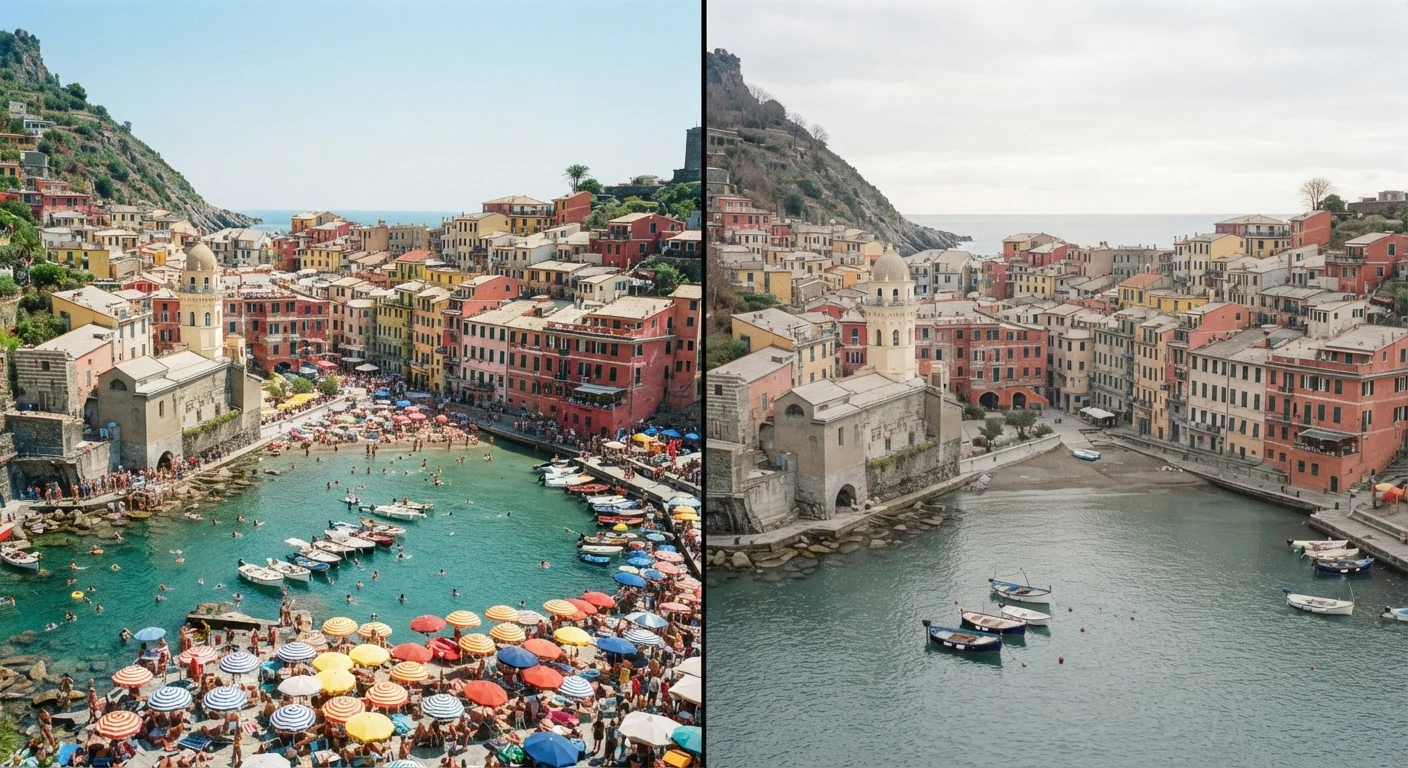
This is the most immediate difference most travelers notice. Peak season concentrates visitors — think summer in national parks, December in New York City, or spring break along Florida's coast. Popular sites can feel more like managed queues than genuine experiences. Wait times at major attractions stretch into hours, and restaurants fill up fast.
Off-season travel flips that dynamic. Venice in January, Yellowstone in November, or Sedona in February offer the same landscapes and culture with a fraction of the foot traffic. You can linger at viewpoints, get a table without a reservation, and engage with locals who aren't in crowd-management mode. For many travelers, this shift in atmosphere is worth more than any price difference. See our guide on matching destinations to your travel style to understand how crowd levels interact with different trip environments.
| Peak Season | Off-Season | |
|---|---|---|
| Crowds | Heavy — expect queues and competition | Light — more personal space and quiet |
| Attraction access | Full hours, all options open | Possible closures or reduced schedules |
| Accommodation availability | Limited — books up quickly | More options, easier last-minute booking |
| Weather predictability | Generally reliable for the destination type | More variable; research required |
| Local atmosphere | Polished but tourist-focused | More authentic, less curated |
| Restaurant and dining options | Wide selection, often requires reservations | Fewer options; some may be closed |
| Safety and conditions | Well-maintained trails, roads, infrastructure | Potential hazards — ice, storms, flooding |
Availability and Access
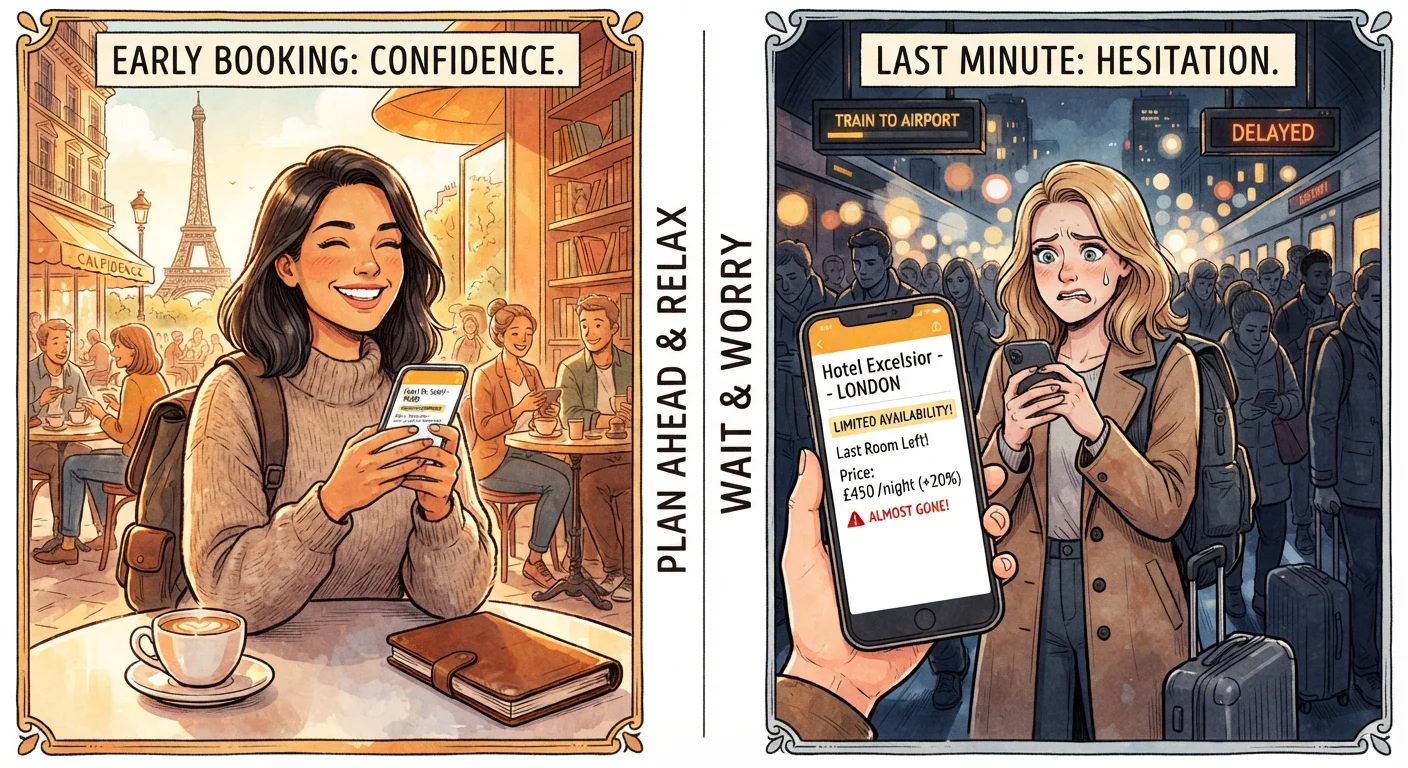
Peak season generally means everything is open — tour operators run full schedules, seasonal attractions are accessible, and transportation options are abundant. The trade-off is that this availability is shared with everyone else. Hotels fill months in advance, and popular experiences can sell out. Booking accommodations early vs. waiting becomes a genuinely consequential decision during high season.
In the off-season, availability works differently. You'll often find more room options and less competition for reservations — but some lodges, tours, and attractions close entirely. Smaller beach towns may shut down their best restaurants. Mountain resort towns thin out dramatically outside ski season. Always verify operating hours and seasonal closures before committing to an off-season trip.
Don't Assume 'Off-Season' Means Open
A surprising number of travelers arrive at off-season destinations to find their top-choice restaurant shuttered, a national park road closed for the winter, or a key ferry service suspended. Before booking an off-season trip, contact local visitor bureaus or check official destination websites to confirm which attractions and services will actually be operating during your travel window. Don't rely solely on third-party listings, which may not reflect seasonal hours.
Weather and Safety Considerations
Weather is the most obvious variable, but it's often misunderstood. "Off-season" doesn't automatically mean bad weather — it simply means different weather. The Caribbean's low season coincides with hurricane season, but many weeks pass without any storm activity. Iceland's winter brings dramatic Northern Lights but icy road conditions. Arizona's summer heat is intense but reliably dry.
The key is researching what "off-season" weather actually looks like for your specific destination — not just assuming it's less ideal. Safety considerations also shift: some hiking trails become genuinely dangerous in shoulder seasons due to ice or flooding. Coastal areas may face storm swells. If you're driving between destinations, remember that seasonal road conditions affect preparation too — a helpful complement to your trip planning is checking our seasonal car maintenance guide before you head out.
Quality of Experience and Local Interaction
Peak season brings fully staffed resorts, well-rehearsed tour guides, and polished visitor experiences — but it can also produce a certain exhaustion in destinations that host enormous volumes of tourists. Service can feel rushed; locals may be less inclined to linger in conversation.
Off-season visitors often report a more genuine connection with a place. Locals are less overwhelmed, shops are less hectic, and travelers feel more like guests than part of a managed flow. That said, some destinations lose energy in the off-season — a beach town without the buzz can feel flat if the vibe was part of the appeal. Consider pairing your stay with flexible accommodation choices; our look at hotels vs. vacation rentals covers how those options shift in value depending on travel timing and group size.
Ultimately, neither season delivers a universally superior experience. Peak season is reliable and full-featured; off-season is quieter and often more personal. Knowing what matters most to you — and doing the homework on your specific destination — is what turns either choice into the right one.