
What Makes a Card "Secured" or "Unsecured"?
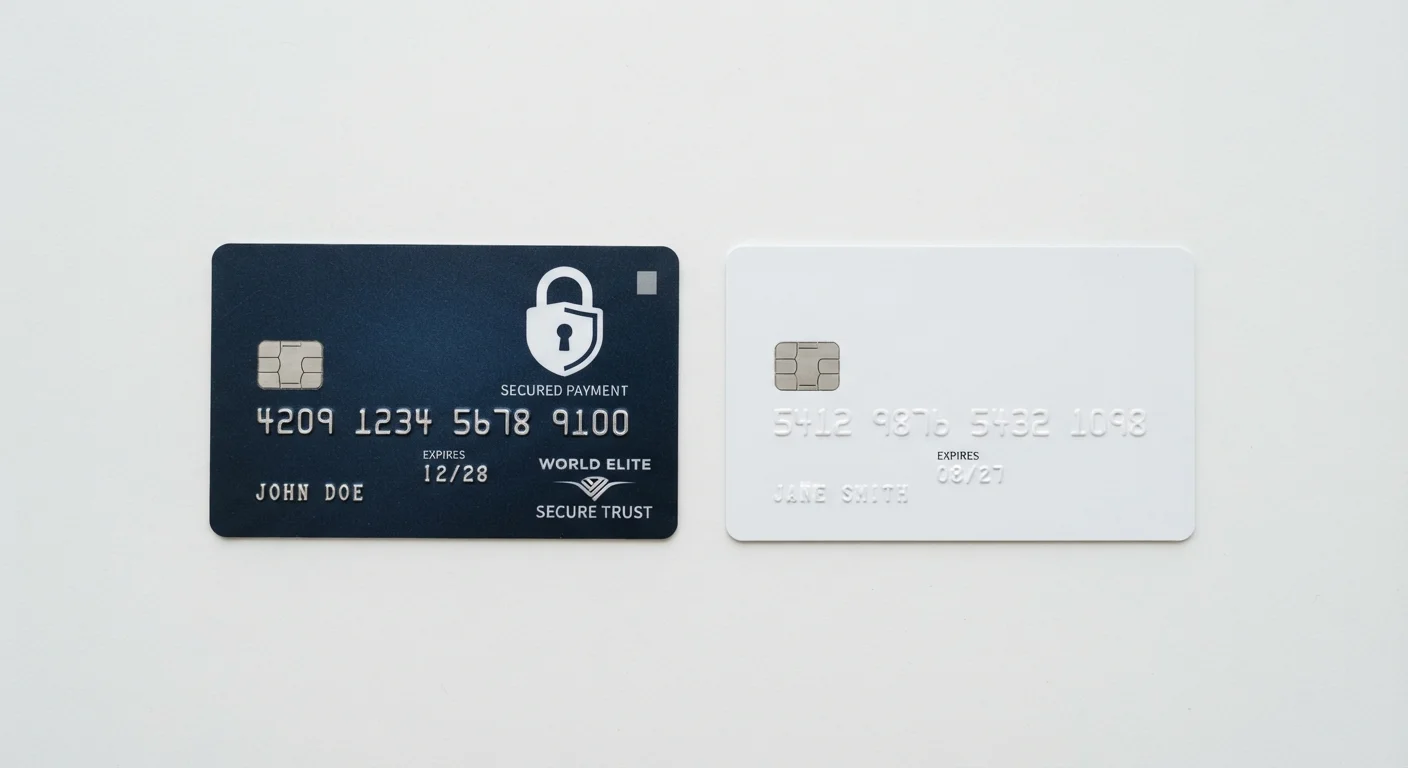
The core distinction comes down to one word: collateral. A secured credit card requires you to make a cash deposit - usually between $200 and $500 - before the account is opened. That deposit typically becomes your credit limit, and the issuer holds it as protection in case you don't pay. An unsecured credit card, by contrast, requires no deposit. The issuer extends you a credit line based entirely on your credit history and income, trusting you to repay based on your track record.
Beyond that structural difference, the two products work identically day-to-day. You make purchases, receive a monthly statement, and owe at least a minimum payment by the due date. Interest is charged on any balance you carry. Most importantly, both types report your payment activity to the three major credit bureaus - Equifax, Experian, and TransUnion - so both can help you build or rebuild your credit profile when used responsibly. To understand how that reporting shapes your financial standing, see how credit scores and reports work together.
| Criterion | Secured Credit Card | Unsecured Credit Card |
|---|---|---|
| Deposit required | Yes - typically $200-$500 | No deposit needed |
| Credit limit | Usually equals your deposit | Set by issuer based on creditworthiness |
| Approval requirements | Accessible with thin or poor credit | Generally requires fair-to-good credit score |
| Typical APR | Often higher than average | Varies widely by credit profile |
| Fees | Annual fees are common | More competitive; some cards have no annual fee |
| Reports to credit bureaus | Yes - all three major bureaus | Yes - all three major bureaus |
| Upgrade path | Many issuers offer graduation to unsecured | Not applicable |
The Real Trade-Offs: Fees, Limits, and Access
Secured cards tend to come with more friction. Annual fees are common, and the interest rates (APR) are often higher than those on standard unsecured cards. Your credit limit is capped by the deposit you can afford, which can feel restrictive. On the upside, approval is far more accessible - many secured cards are available to people with no credit history or scores in the fair range.
Unsecured cards offer more flexibility once you qualify. Credit limits can be significantly higher, fee structures are more competitive, and some cards offer perks like cash back or travel rewards. The catch is the credit score requirement: most standard unsecured cards want to see a score in the mid-600s or higher. If you're just starting out or recovering from financial setbacks, that bar can be hard to clear right away.
~45M
Americans with no credit score
The Consumer Financial Protection Bureau estimates roughly 45 million Americans are either credit invisible or have unscorable files, making secured cards a common entry point.
~6-12 months
Typical time to establish a credit score
Credit bureaus generally need at least six months of account history to generate a score, according to widely reported industry guidance.
One underappreciated advantage of secured cards is the graduation path. Many issuers periodically review secured accounts and will automatically upgrade qualifying customers to an unsecured product - returning the original deposit in the process. This makes a secured card less of a dead end and more of a deliberate first step.
Which One Fits Your Situation?
If your credit history is thin or damaged, a secured card is usually the more realistic starting point. The deposit requirement isn't a penalty - it's what makes approval possible when your credit file doesn't yet speak for itself. Use the card for small, predictable purchases and pay the balance in full each month. That pattern of on-time payments is what actually moves the needle on your score over time. For broader guidance on using a first card wisely, our plain-language guide to your first credit card walks through the key habits to build from day one.
If you already have a functioning credit history - even a modest one - an unsecured card is worth exploring. You won't need to tie up cash in a deposit, and you may qualify for better terms than you expect. Keep in mind that applying for any new card triggers a hard inquiry on your credit report, which can cause a small, temporary dip in your score. Understanding the difference between hard and soft inquiries can help you time applications strategically.
Your Deposit Isn't Lost - It's Held
The cash deposit on a secured card is not a fee. It's collateral held by the issuer in a separate account. When you close the account in good standing - or graduate to an unsecured card - that deposit is returned to you. Think of it as a temporary placeholder rather than a cost of the card.
Regardless of which card type you hold, the fundamentals are the same: pay on time, keep your balance well below your credit limit, and avoid opening multiple new accounts in a short period. These behaviors are what lenders actually look for - and common credit score myths can lead people to focus on the wrong things entirely.
This article is for general informational purposes only and does not constitute personalized financial or credit advice. Consult a qualified financial professional for guidance specific to your circumstances.