
What Is a Sinking Fund?
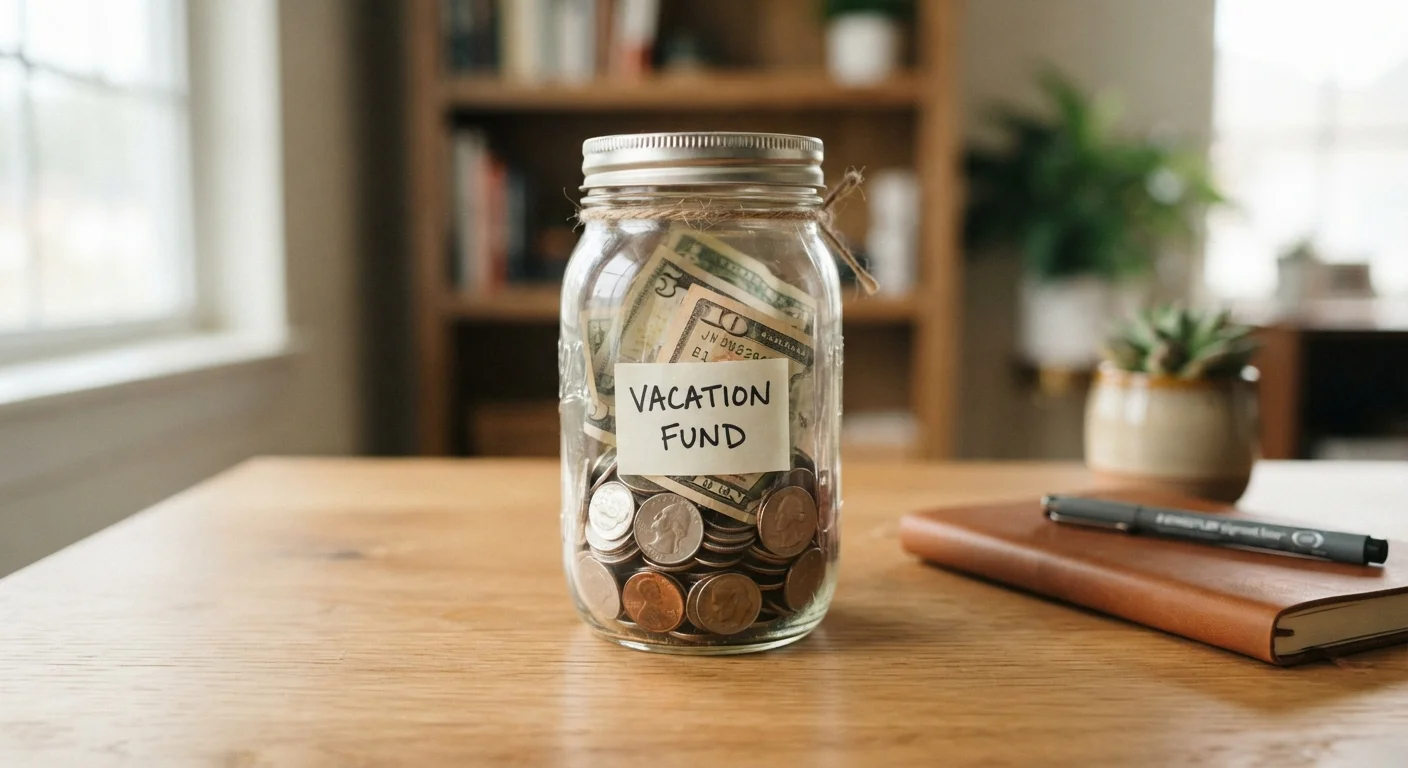
A sinking fund is a savings method where you set aside a small, fixed amount each month to cover a known future expense. Instead of scrambling to pay a large bill all at once — or putting it on a credit card — you break the cost into manageable pieces spread over time.
The term sounds technical, but the concept is simple: if you know a $600 car repair is likely coming in six months, saving $100 a month gets you there without stress. The money is ready when the bill arrives.
Sinking funds work alongside your regular budget. They're not a replacement for an emergency fund, and they're not an investment account. They're a targeted tool for turning irregular, predictable expenses into predictable monthly ones — which is the foundation of a budget that actually holds together. For context on how expenses fit into a budget overall, see our guide to fixed vs. variable expenses.
Sinking Funds Are Not Emergency Funds
A sinking fund is for planned, predictable expenses — car registration, holiday gifts, annual insurance premiums. An emergency fund covers true surprises, like a sudden job loss or unexpected medical bill. Mixing the two weakens both. Keep them in separate accounts so you always know what money is spoken for. See our guide to emergency funds for a fuller explanation of the difference.
What to Know Before You Start
Sinking funds are most effective when you're intentional about what you're saving for. A few things to keep in mind before setting one up:
- They require an honest expense inventory. You need to know what irregular costs are coming. Many people underestimate these until they look back at a full year of spending.
- They work best when automated. Manual saving requires willpower every month. Automation removes that friction entirely.
- Multiple funds are normal. Most households benefit from running three to six sinking funds at once — one for car expenses, one for annual insurance, one for holidays, and so on.
- They're part of a broader system. Sinking funds complement a structured monthly budget and an emergency fund. None of these tools works as well in isolation.
What you will need
Separate savings account or sub-account
Holds sinking fund money apart from your everyday checking so it isn't accidentally spent.
Spreadsheet or budgeting app
Tracks how much you've saved, your target amount, and your monthly contribution for each fund.
Automatic transfer feature (from your bank)
Moves money into your sinking fund on a set schedule without manual effort.
How to Set Up Your Sinking Funds
List your irregular, predictable expenses
Write down every expense you know is coming but doesn't show up on your monthly bills. Common examples include:
- Annual car registration or vehicle inspection fees
- Holiday and birthday gifts
- Home or renters insurance premiums paid yearly
- Quarterly subscriptions or memberships
- Back-to-school supplies
- Planned car maintenance (tires, brakes)
- Vacation costs
These aren't surprises — they're just infrequent. Our article on irregular expenses that wreck budgets can help you identify costs you might be forgetting.
Estimate the total cost for each expense
For each item on your list, write down a realistic dollar estimate. Use past receipts, prior-year bills, or a conservative rough figure if the exact amount isn't known yet. Overestimating slightly is fine — any leftover money can roll into next year's fund or boost your savings.
Example: If holiday gifts typically cost you $600, that's your target. If your car registration runs around $150, that's yours.
Calculate your monthly contribution
Divide each expense's total cost by the number of months until you need the money.
Formula: Monthly contribution = Total cost ÷ Months remaining
Example: $600 for holiday gifts, starting in January with gifts due in December = $600 ÷ 11 months = roughly $55 per month.
Do this for every fund on your list. Understanding the difference between fixed and variable expenses — covered in our guide to fixed vs. variable expenses — helps you see where sinking fund contributions fit in your budget.
Open a dedicated account or sub-account
Keep sinking fund money physically separate from your everyday spending account. Many banks and credit unions allow you to open multiple savings accounts or labeled sub-accounts at no cost. Options include:
- A separate savings account at your current bank
- A labeled sub-account (some online banks let you name these by goal)
- A high-yield savings account where your money earns modest interest while it waits
Separation is the key. When sinking fund money sits alongside your regular checking balance, it's too easy to spend it unintentionally.
Set up automatic monthly contributions
Schedule a recurring transfer from your checking account to your sinking fund account on or just after each payday. Automating this step removes the decision entirely — the money moves before you have a chance to spend it elsewhere.
Log into your bank's website or app and look for 'scheduled transfers' or 'automatic transfers.' Set the amount, frequency (monthly or per paycheck), and start date.
Spend the fund when the expense arrives — then reset
When the planned expense arrives, withdraw from your sinking fund and pay the bill. There's no guilt, no credit card balance, no disruption to your regular budget — the money was always set aside for this.
After spending, decide whether to restart the same fund immediately for next year or redirect those contributions to a different goal. Sinking funds are designed to be cycled: save, spend, repeat.
If building a savings buffer is still a new concept for you, our article on building a financial cushion from scratch offers a grounded starting point.
Automate and Forget
Set up a recurring transfer on payday so contributions move to your sinking fund before you have a chance to spend them. Even small automatic transfers — $10 or $20 a paycheck — add up significantly over months. Our article on automating your finances walks through exactly how to set this up.
Making It a Lasting Habit
The first time a sinking fund pays off — when a predictable expense shows up and you've already got the money waiting — the system tends to click. Most people who try sinking funds stick with them because the alternative (being caught off guard by a bill you knew was coming) feels worse.
Review your sinking funds once a year, ideally at the start of a new budget cycle. Update your cost estimates, adjust contributions if your income has changed, and add new funds for expenses you've identified since your last review. This takes less than 30 minutes and keeps the whole system accurate.
Building this habit is a natural next step if you're working toward a more stable financial footing. Our article on moving from paycheck to paycheck toward a financial cushion covers how sinking funds and other tools fit into that broader journey. You can also explore more practical approaches in the Smarter Spending Habits hub.
Don't Raid Your Sinking Fund Early
Dipping into a sinking fund for unrelated spending defeats its entire purpose. If you find yourself regularly pulling from it, that's a signal your monthly budget needs a closer look — not that sinking funds don't work. Treat these funds as mentally off-limits until the planned expense arrives.
This article is for general informational and educational purposes only and does not constitute personalized financial advice. Consult a qualified financial professional for guidance specific to your situation.