
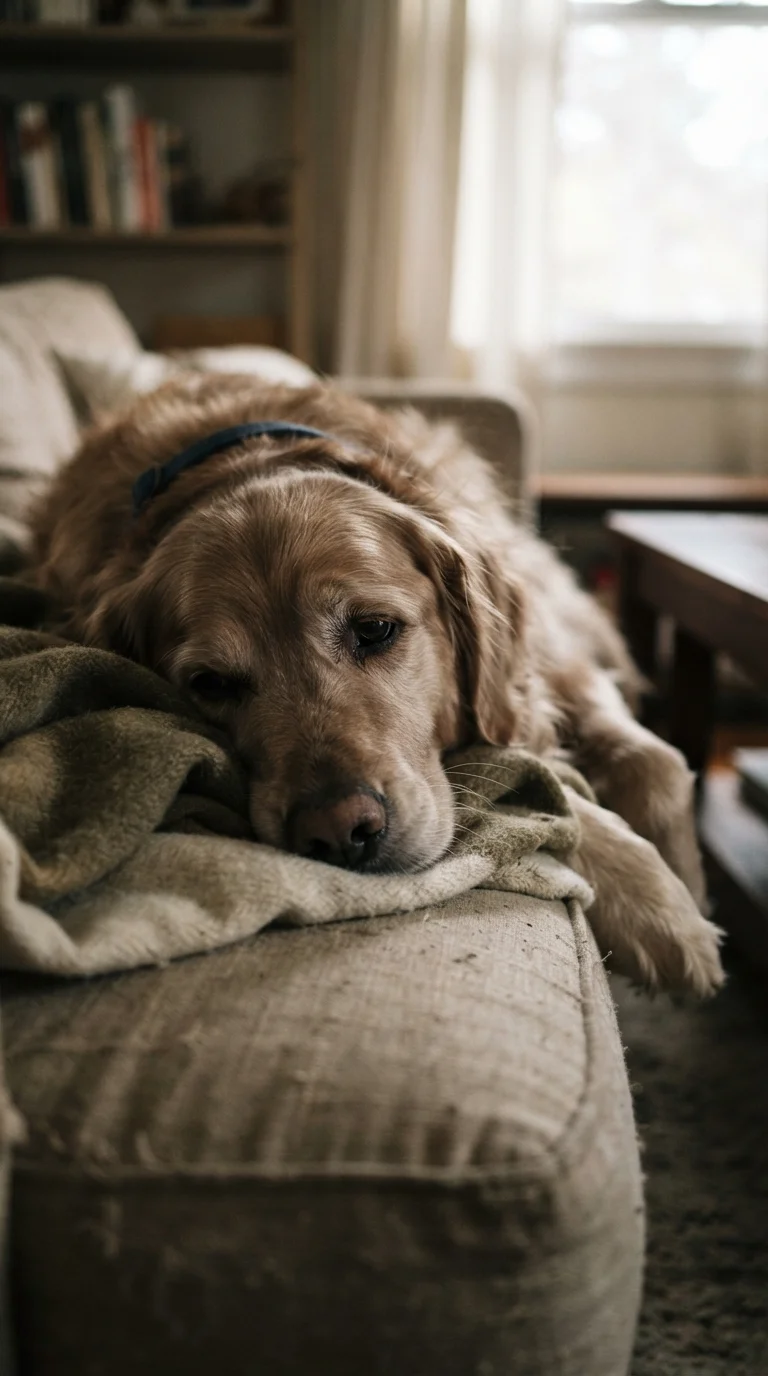
Why Pets Hide Illness — and Why That Matters
Animals are wired to mask vulnerability. In the wild, showing weakness invites predation, so even domesticated dogs and cats tend to suppress obvious signs of pain or illness until symptoms become hard to ignore. This instinct means that by the time a pet looks visibly sick, the problem may already be progressing.
That's why knowing what subtle changes look like is one of the most practical skills a new pet owner can develop. You don't need a veterinary degree — you just need a reliable baseline for what's normal for your specific animal, and the habit of noticing when something shifts.
For a broader picture of how anxiety and discomfort can overlap with illness signals, see how stress shows up in pets.
Common Signs Across Dogs and Cats
While dogs and cats express discomfort differently, several warning signs apply to both species. Use this as a practical reference — not a diagnostic checklist, but a prompt to pay closer attention and contact your veterinarian.
Behavioral Changes
- Withdrawal or hiding: A sociable pet that suddenly seeks isolation is a classic red flag.
- Aggression or irritability: Pain often presents as snapping, hissing, or growling when touched in a specific area.
- Reduced interest in play or interaction: Lethargy that persists beyond a single off day warrants attention.
- Changes in sleep patterns: Sleeping far more — or less — than usual can signal illness.
Physical Signs
- Appetite loss: Skipping one meal is common; refusing food for more than 24 hours is not.
- Increased water consumption or urination: These together can indicate metabolic or kidney issues.
- Changes in coat or skin: Dull fur, excessive shedding, or new patches of hair loss deserve investigation.
- Vomiting or diarrhea: Occasional episodes happen, but frequency, blood, or accompanying lethargy escalates urgency.
- Labored or rapid breathing at rest: Any unusual breathing pattern should be taken seriously.
If your pet is a senior, some of these signs may emerge gradually as part of aging — the guide to senior pet health explains what's expected versus what warrants a call to your vet.
Lethargy
Abnormal tiredness or lack of energy that goes beyond a single rest day. A lethargic pet is unresponsive to stimuli it would normally react to, such as a walk invitation or a favorite toy.
Polydipsia
Excessive thirst leading to unusually high water intake. When paired with frequent urination, it can indicate conditions such as diabetes or kidney disease and should be evaluated by a vet.
Anorexia (in pets)
In veterinary terms, anorexia simply means a loss of appetite — not an eating disorder. It's a common symptom of many underlying conditions and becomes concerning when it persists beyond 24 hours.
Bloat (GDV)
Gastric Dilatation-Volvulus, a life-threatening condition mostly seen in large-breed dogs where the stomach fills with gas and may twist. Symptoms include a distended abdomen and repeated unproductive retching. Requires immediate emergency care.
Body condition score
A structured system vets use to assess whether a pet is underweight, overweight, or at a healthy weight based on visible and palpable physical traits. It's a useful monitoring tool for owners too.
Signs That Cannot Wait — When to Call a Vet Immediately
Some symptoms indicate a potential emergency. Do not wait for a scheduled appointment if your pet shows any of the following:
- Difficulty breathing, open-mouth breathing in cats, or blue-tinged gums
- Uncontrolled bleeding or suspected broken bones
- Seizures or sudden collapse
- Repeated unproductive retching, especially in large-breed dogs (a possible sign of bloat)
- Suspected ingestion of a toxic substance
- Inability to urinate, particularly in male cats (a medical emergency)
- Extreme pain, crying, or inability to stand
For a thorough breakdown of emergency versus non-emergency scenarios, review the full emergency signs guide before you ever need it.
Routine checkups also play a major role in catching problems early, before symptoms become acute. If you're unsure how often your pet needs to be seen, common mistakes around vet visits is worth reading now.
This article is for general informational purposes only and is not a substitute for professional veterinary advice. Always consult a licensed veterinarian for concerns about your pet's health.