
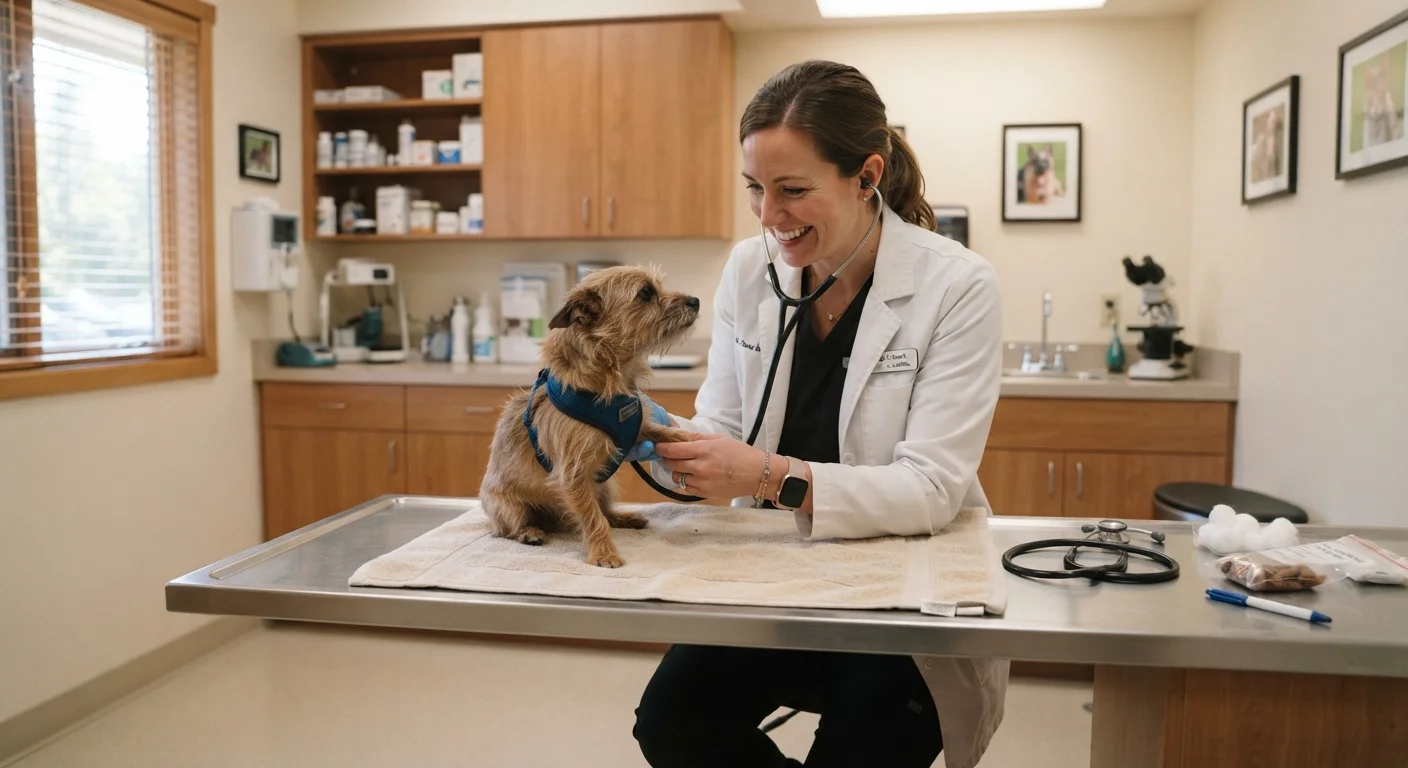
Why Routine Visits Matter More Than Most New Owners Realize
When a pet seems happy, energetic, and eating well, scheduling a vet appointment can feel unnecessary. This is one of the most common misunderstandings new pet owners carry into their first year. Routine wellness exams are not just about treating illness — they are about catching the early signs of problems that animals are naturally inclined to hide.
Most pets, especially cats, are instinctively good at masking pain or discomfort. By the time a symptom becomes visible to you, a condition may already be well progressed. A veterinarian performing a hands-on physical exam can detect subtle changes in organ size, lymph nodes, joint movement, coat condition, and body weight that owners rarely notice at home.
Think of routine visits as your best tool for staying ahead of your pet's health — not as a reactive measure. For a broader foundation of daily pet care, see how to build a consistent daily care routine that supports long-term wellness.
Waiting for visible symptoms before booking an appointment.
Why it happens: New owners often assume that a vet visit is only necessary when something is clearly wrong, mirroring how many people approach their own healthcare.
Treating the first puppy or kitten visit as the only early appointment needed.
Why it happens: Many new owners don't realize that young animals require a series of veterinary visits in their first few months, not a single initial checkup.
Skipping parasite prevention discussions because the pet 'doesn't go outside much.'
Why it happens: Owners associate fleas, ticks, and worms with outdoor exposure and assume indoor pets are largely protected.
Not mentioning behavioral changes because they seem minor or unrelated to physical health.
Why it happens: Owners often view behavior as a training issue rather than a potential health indicator, so they don't think to raise it at a medical appointment.
Assuming weight gain or loss is just a food issue and doesn't warrant veterinary input.
Why it happens: Weight changes feel like something owners can manage on their own by adjusting portion sizes, without professional guidance.
Leaving the appointment without understanding what was found or recommended.
Why it happens: Veterinary appointments can feel rushed, and owners sometimes hesitate to ask follow-up questions or request clarification.
Getting the Most Out of Every Appointment
Even pet owners who show up consistently sometimes leave appointments feeling like they missed something. A few habits make a real difference in how productive each visit is.
Write your questions down before you go. It is easy to forget concerns the moment you walk through the clinic door. Jot down anything you have noticed — changes in appetite, sleep patterns, bathroom habits, or behavior — and hand the list to the vet at the start of the visit.
Be honest about your pet's actual lifestyle. Whether your dog eats table scraps regularly or your cat never goes outside, your vet needs accurate information to give useful guidance. There is no judgment — just better care when the full picture is clear. Feeding habits in particular can have long-term health consequences; the feeding mistakes that sneak up on new owners are worth reviewing alongside your vet's advice.
Ask about what to watch for between visits. Before you leave, confirm what signs or symptoms should prompt an earlier return. Knowing when something qualifies as urgent versus wait-and-see is genuinely useful — and your vet is the right person to define that line for your specific animal. For a reference on urgent situations, learn which symptoms require an emergency vet visit.
~70%
Adult pets with signs of dental disease by age 3
According to the American Veterinary Medical Association, dental disease is one of the most commonly diagnosed conditions in dogs and cats, often detectable before owners notice symptoms.
2x
Higher cancer detection rate with annual exams vs. symptom-prompted visits
Veterinary oncology literature generally supports that routine physical exams improve early detection of masses and abnormalities compared to owner-initiated visits alone.
Dental health is one area that comes up frequently at routine exams and is often underestimated by new owners. Most vets begin assessing oral health at annual checkups, since periodontal disease is among the most common conditions seen in adult dogs and cats. For a deeper look, see what owners overlook about dental health in dogs and cats.
This article provides general information about pet care and is not a substitute for professional veterinary advice. Always consult a licensed veterinarian for guidance specific to your animal's health needs.