Why Feeding Mistakes Are So Easy to Make
Feeding a pet sounds straightforward — fill the bowl, repeat daily. In practice, the habits that quietly cause long-term health problems are often the ones that feel most natural: an extra scoop here, a dinner scrap there, food available whenever a pet whines for it. New owners rarely get explicit guidance on the details, so trial and error fills the gap.
The good news is that most feeding mistakes are fixable once you know what to look for. This article walks through the most common errors, why they happen, and the practical changes that make a real difference. For context on building consistent routines beyond feeding, see our guide on building a daily care routine.
59%
Pet cats classified as overweight or obese
According to the Association for Pet Obesity Prevention, over half of U.S. cats were assessed as overweight or obese in recent annual surveys.
55%
Pet dogs classified as overweight or obese
The Association for Pet Obesity Prevention similarly estimates that more than half of U.S. dogs carry excess weight, a trend closely tied to overfeeding.
The Feeding Mistakes That Cause the Most Harm
Each of the mistakes below is common among new owners — not because of carelessness, but because the consequences aren't immediately visible. Weight gain, digestive disruption, and nutritional imbalance tend to develop gradually, making them easy to overlook until a vet flags them.
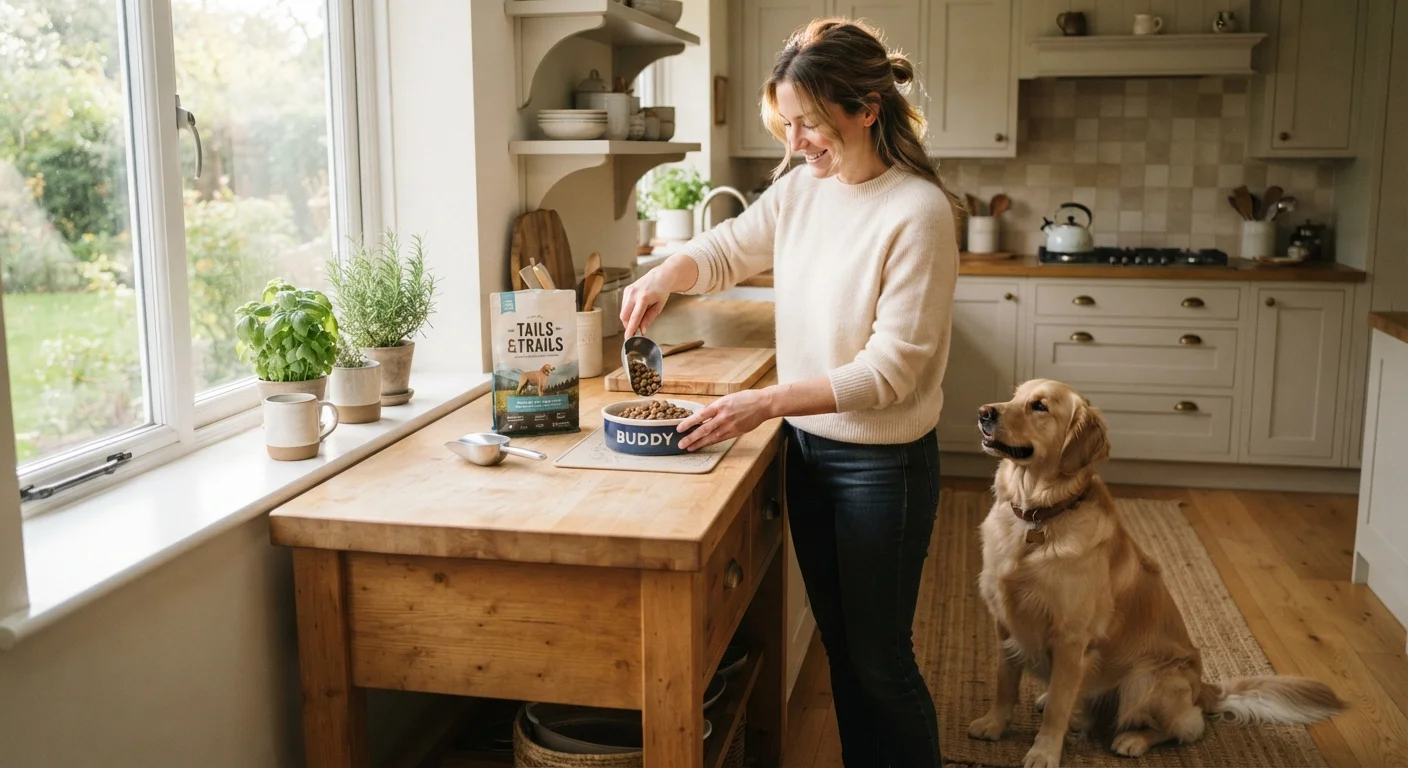
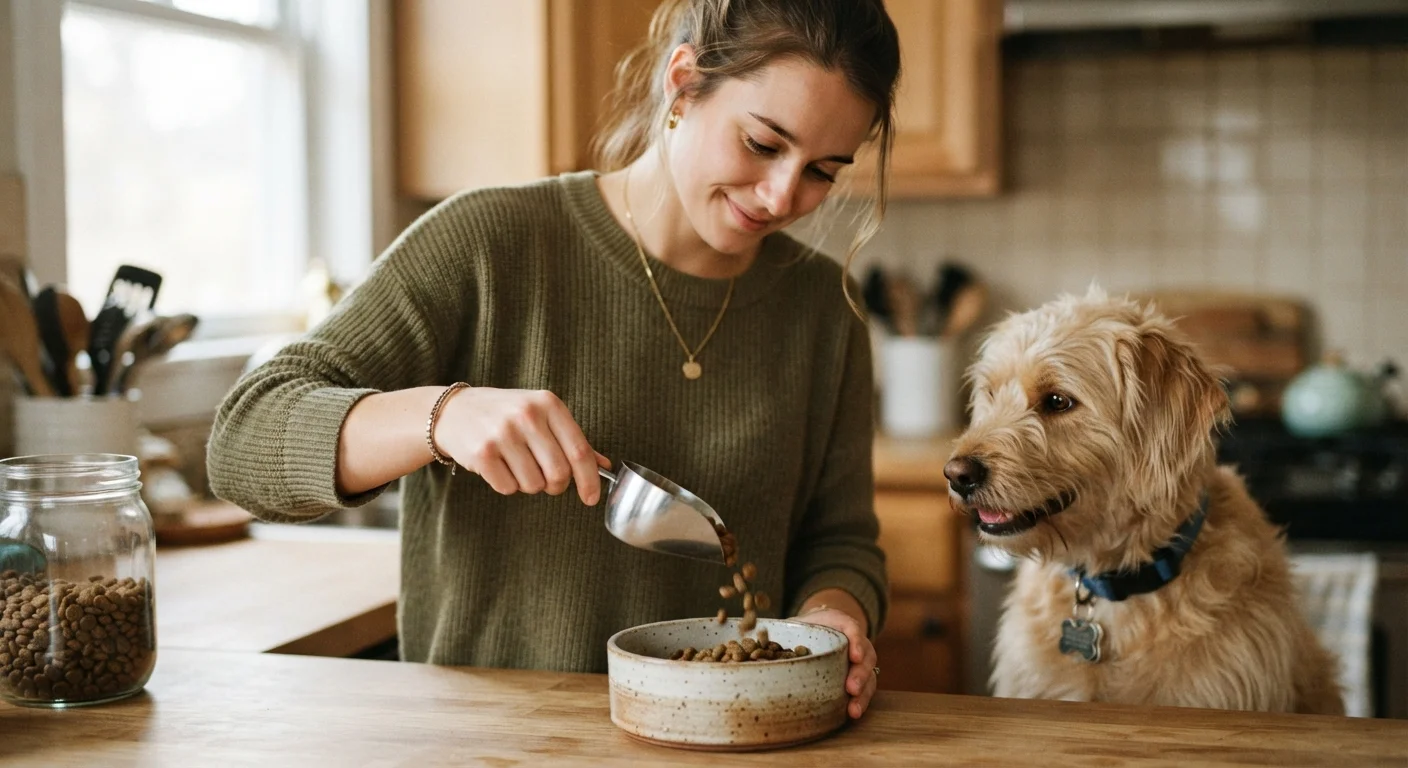
Eyeballing portion sizes instead of measuring food accurately.
Why it happens: Most new owners underestimate how small a correct portion actually looks. A heaping scoop feels generous but may be 30–50% more than recommended.
Feeding meals at irregular or highly variable times each day.
Why it happens: Busy schedules make strict timing difficult, and owners often assume a pet's body clock is more flexible than it really is.
Sharing table scraps or human food without checking safety first.
Why it happens: Feeding a begging pet feels kind, and owners assume that if a food is healthy for humans, it must be safe for animals.
Leaving dry food out all day (free-feeding) without monitoring intake.
Why it happens: Free-feeding seems convenient and feels less restrictive, especially for cats. Many new owners also worry their pet will go hungry.
Giving too many treats without accounting for their calories.
Why it happens: Treats are used heavily during training and bonding, and their caloric contribution is easy to overlook when pieces are small.
Some Human Foods Are Dangerous for Pets
Grapes, raisins, onions, garlic, xylitol (a sweetener found in sugar-free products), and chocolate are toxic to dogs and cats. Even small portions can cause serious harm. If you suspect your pet has eaten something toxic, contact your veterinarian or an animal poison control hotline immediately.
Feeding habits and training habits are more connected than they might seem. Inconsistent food rewards and untracked treat giving can also quietly undermine behavior work — something our article on habits that undermine dog training explores in detail.
Building Feeding Habits That Actually Stick
Correcting feeding mistakes doesn't require an overhaul — it requires a few consistent habits. Measure portions at every meal, schedule feeding times, and keep a short list of safe and unsafe foods somewhere accessible in your kitchen.
Free-Feeding Can Hide Health Problems
When food is available at all times, it becomes very difficult to notice when your pet's appetite drops — which is often one of the earliest signs of illness. Scheduled meals make changes in eating behavior much easier to detect early, giving you a valuable window to seek veterinary care.
If you're ever uncertain whether your pet's diet is appropriate for their age or health condition, a scheduled vet conversation is the most reliable next step. Our overview of what new owners get wrong about vet visits explains why proactive check-ins matter more than most people expect. You can also explore broader nutrition and health topics in our Pet Health & Wellness hub.
This article is for general informational purposes only and does not constitute veterinary or medical advice. Always consult a licensed veterinarian for guidance specific to your pet's health and nutritional needs.