
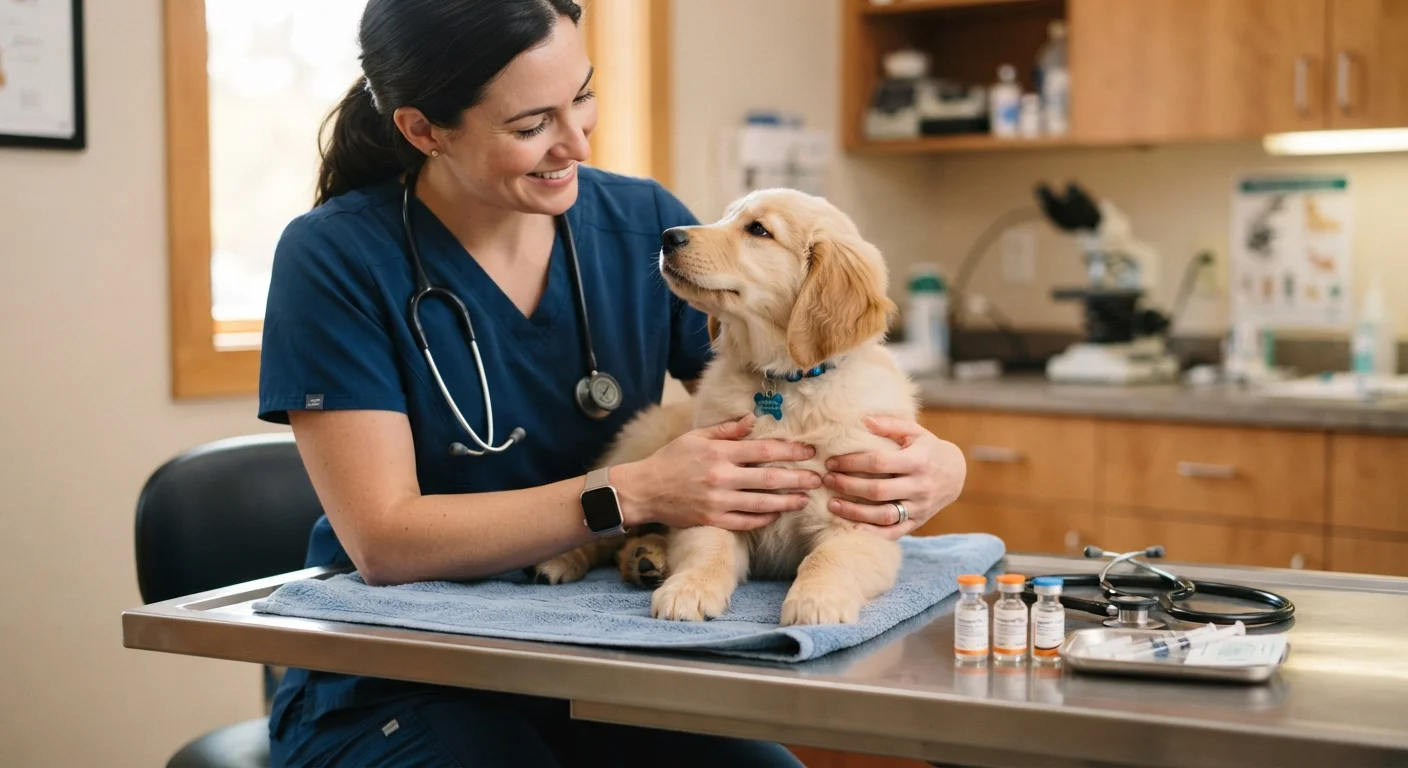
Why Vaccines Matter for Your Pet
Vaccines teach your pet's immune system to recognize and fight specific pathogens before a real infection occurs. Without that preparation, diseases like parvovirus in dogs or panleukopenia in cats can progress rapidly and become life-threatening — even with intensive veterinary treatment.
For a deeper look at the underlying science, see what vaccinations actually do for your pet's health. The short version: vaccines are one of the most cost-effective tools in preventive care, and they protect not just your individual pet but also other animals they come into contact with.
Understanding what each vaccine targets — and why your vet recommends it — helps you make informed decisions rather than simply following instructions you don't fully understand.
~70%
Of U.S. dog owners who vaccinate their pets
According to the American Pet Products Association, a large majority of dog owners report keeping their pets vaccinated, though coverage gaps remain in some communities.
4–6 weeks
Typical interval between puppy vaccine series shots
Veterinary guidelines from AAHA recommend spacing puppy core vaccines every 3–4 weeks, starting at 6–8 weeks of age and continuing until at least 16 weeks.
3 years
Duration of some rabies vaccine products
Many USDA-licensed rabies vaccines for dogs and cats are approved for a three-year duration, though local ordinances may still require annual proof of vaccination.
Core Vaccines for Dogs
Nearly every dog in the United States is recommended to receive the following core vaccines:
- Rabies: Required by law in most states. Rabies is fatal and can be transmitted to humans, making this vaccine non-negotiable for public health reasons.
- Distemper: A serious viral illness that attacks the nervous system and respiratory tract. Often combined with other vaccines in the DA2PP or DHPP shot.
- Parvovirus: Highly contagious and frequently fatal in puppies. The virus survives in the environment for months, meaning even minimally outdoor dogs can be exposed.
- Adenovirus (Hepatitis): Protects against infectious canine hepatitis, a liver disease caused by canine adenovirus type 1.
Non-core options your vet might recommend include Bordetella (kennel cough), leptospirosis (a bacterial disease spread through contaminated water), Lyme disease (in tick-heavy regions), and canine influenza (for dogs frequently around other dogs).
Core Vaccines for Cats
Cats have their own set of core vaccines, regardless of whether they go outdoors:
- Rabies: Legally required in most U.S. states, even for indoor cats. Exposure risks exist even for cats who never leave the house.
- FVRCP (combination vaccine): Covers three diseases — feline viral rhinotracheitis (a herpesvirus causing severe respiratory illness), calicivirus (another respiratory pathogen), and panleukopenia (feline distemper, a potentially fatal disease).
The most common non-core vaccine for cats is feline leukemia virus (FeLV), generally recommended for cats who go outdoors or live with other cats, since the virus spreads through close contact. Your vet will assess your cat's risk level before advising on this one.
It's worth noting that being indoors doesn't eliminate risk entirely — which is a point many new owners miss. See our overview of common mistakes new pet owners make at the vet for more context on proactive care.
Understanding the Puppy and Kitten Series
Young animals receive maternal antibodies through their mother's milk, but those antibodies fade over several weeks — and while they're declining, the puppy or kitten is vulnerable. That's why vets administer a series of vaccines starting around 6–8 weeks of age, spaced 3–4 weeks apart, typically until 16 weeks old.
Each shot in the series isn't a repeat for redundancy's sake — it's designed to catch the window when the immune system is ready to build its own lasting response. Skipping or delaying shots in the series can leave meaningful gaps in protection during a critical developmental period.
Keep a Vaccination Record for Your Pet
Ask your vet for a written or digital record of every vaccine your pet receives, including the product name and expiration date of immunity. You'll need this for boarding facilities, groomers, and travel. Storing a copy in a safe place — or in a pet health app — saves time and stress during emergencies.
Booster Schedules and Adult Pets
Immunity from vaccines doesn't always last a lifetime. Boosters are scheduled to keep protection levels sufficient. Some vaccines (like certain rabies products) are effective for three years; others may be recommended annually. Local laws also factor in — many municipalities mandate annual or triennial rabies proof.
As pets age, their immune systems change. Older pets may respond differently to vaccines, and your vet might adjust the schedule accordingly. For more on how aging affects overall health management, the article on how aging changes your senior pet's health needs covers what to expect.
Alongside vaccines, keeping up with parasite prevention is an equally important piece of routine care that your vet can coordinate during the same visit.
This article is for general informational purposes only and is not a substitute for professional veterinary advice. Always consult a licensed veterinarian for guidance specific to your pet's health history and needs.