
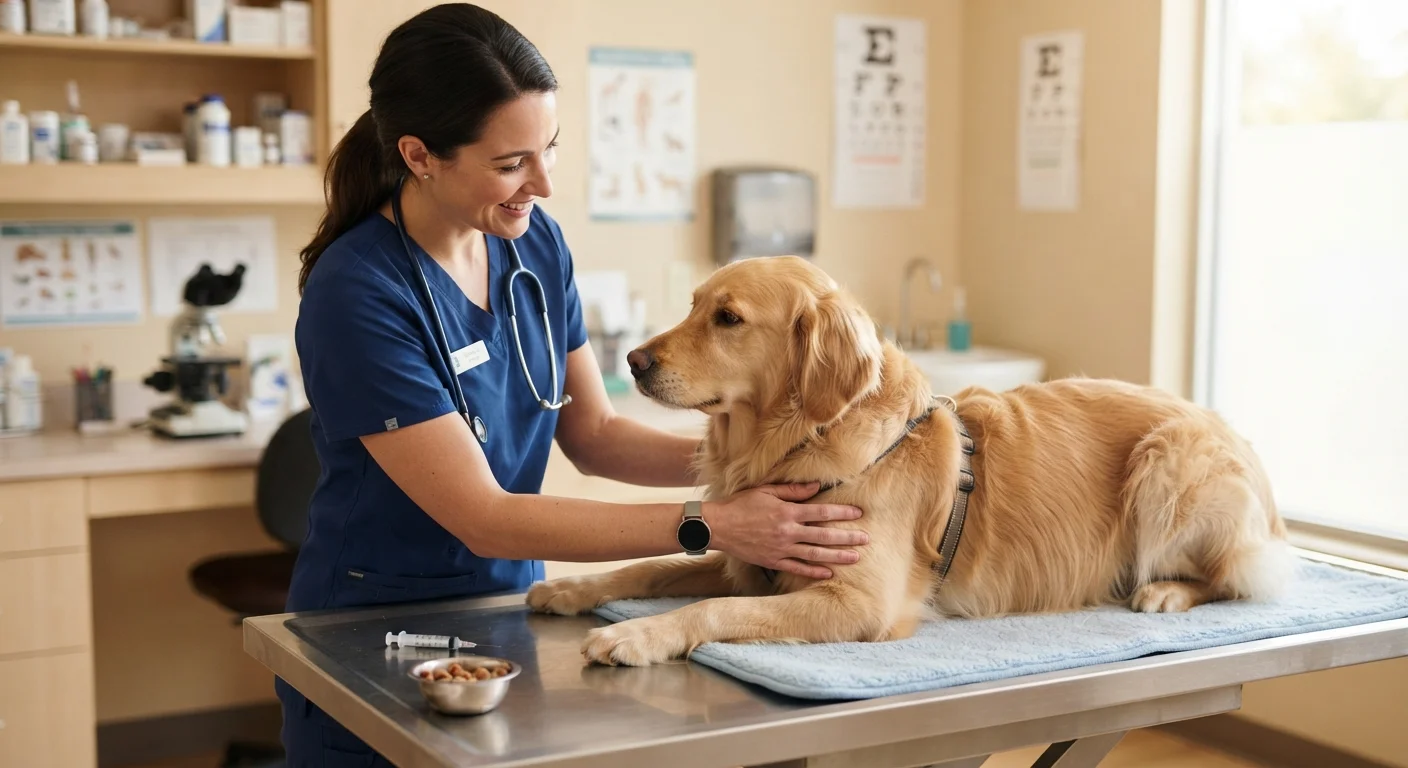
What Is a Body Condition Score?
A Body Condition Score (BCS) is a standardized tool veterinarians use to evaluate whether a pet is underweight, overweight, or at a healthy weight. Unlike a scale reading alone, BCS accounts for how fat is distributed across the body — giving a more complete picture of overall condition.
Most veterinary practices use a 9-point scale. A score of 1–3 indicates an underweight animal with little fat reserves and prominent bones. Scores of 4–5 represent the ideal range, where the animal has a healthy fat layer without excess. Scores of 6–9 reflect increasing levels of overweight or obesity.
A 5-point scale is also used by some practices, where 3 is considered ideal. If you're unsure which scale your vet uses, just ask — the underlying concepts are the same.
Body Condition Score (BCS)
A numerical rating system vets use to assess how much body fat a pet is carrying, typically on a scale of 1 to 9.
Palpation
The technique of using your hands to gently press and feel areas of an animal's body — used here to detect fat covering over the ribs.
Abdominal tuck
The upward curve of the belly toward the hind legs when viewed from the side — a normal feature in pets at a healthy weight.
Obesity
A state of excess body fat, typically corresponding to a BCS of 7 or above, that increases the risk of several health conditions in pets.
Muscle mass
The amount of muscle tissue on an animal's body — important to distinguish from fat when evaluating overall body condition.
How to Assess Your Pet at Home
You don't need a veterinary degree to perform a basic body condition check. The assessment relies on two techniques: visual inspection and hands-on palpation (gentle touching to feel for fat and bone).
The Rib Test
Place both hands on either side of your pet's chest and run your fingers gently along the ribcage. You should be able to feel individual ribs with light pressure — similar to feeling the backs of your knuckles. If you have to press firmly to feel any ribs, excess fat is likely present. If ribs are sharply prominent with no padding, the pet may be underweight.
The Waist Check
Look at your pet from directly above. Most animals at a healthy weight will show a visible narrowing behind the rib cage — a recognizable waist. From the side, look for a slight upward tuck of the abdomen toward the hindquarters.
These checks work well for dogs and cats. For other species — rabbits, birds, guinea pigs — ask your vet for species-specific guidance, as assessment points differ significantly.
Make It a Monthly Habit
A quick rib check and waist look-over takes less than two minutes. Doing it monthly — perhaps on the same day you give a flea or heartworm preventive — helps you notice gradual changes that are easy to miss day to day. Keep a simple log with the date and your observations to share with your vet.
Why Weight Matters for Long-Term Health
Weight is one of the most modifiable factors in a pet's long-term health. Both extremes of the BCS scale carry real risks.
Overweight pets face increased risk of joint problems, type 2 diabetes, heart and respiratory strain, and a shortened lifespan. Extra body weight puts mechanical stress on joints — a particular concern for older animals. See our guide to senior pet health for more on how aging intersects with weight management needs.
Underweight pets may have insufficient muscle mass, compromised immune function, and poor coat or skin condition. Unintended weight loss can also be an early sign of underlying illness — if your pet is losing weight without a dietary change, a vet visit is warranted. For context on recognizing other physical warning signs, see how pets signal they're not feeling well.
Pets managing chronic conditions — such as arthritis or diabetes — often have specific weight targets that are central to their treatment plans. Learn more about that in our article on caring for a pet with a chronic condition.
What to Do If Your Pet's Score Is Off
If your at-home assessment suggests your pet is outside the ideal range, the right first step is a veterinary consultation — not an immediate diet overhaul. Your vet can confirm the BCS, rule out underlying causes, and create a safe, realistic plan.
For overweight pets, weight loss is typically achieved through a combination of controlled portion sizes, appropriate food choices, and adjusted exercise routines. Crash dieting or sudden calorie restriction can be harmful, particularly in cats, so changes should always be gradual and vet-guided.
For underweight pets, the cause matters as much as the solution. Increased food intake may be appropriate, but only after ruling out illness, parasites, or dental pain that may be reducing appetite.
Incorporating body condition checks into a consistent daily care routine helps you catch changes early — before they become harder to address. Monthly checks, combined with annual vet visits, give you a reliable picture over time.
This article is for general informational purposes only and is not a substitute for professional veterinary advice. Always consult a licensed veterinarian regarding your pet's specific health needs.