Why Treats Are So Widely Used in Pet Training
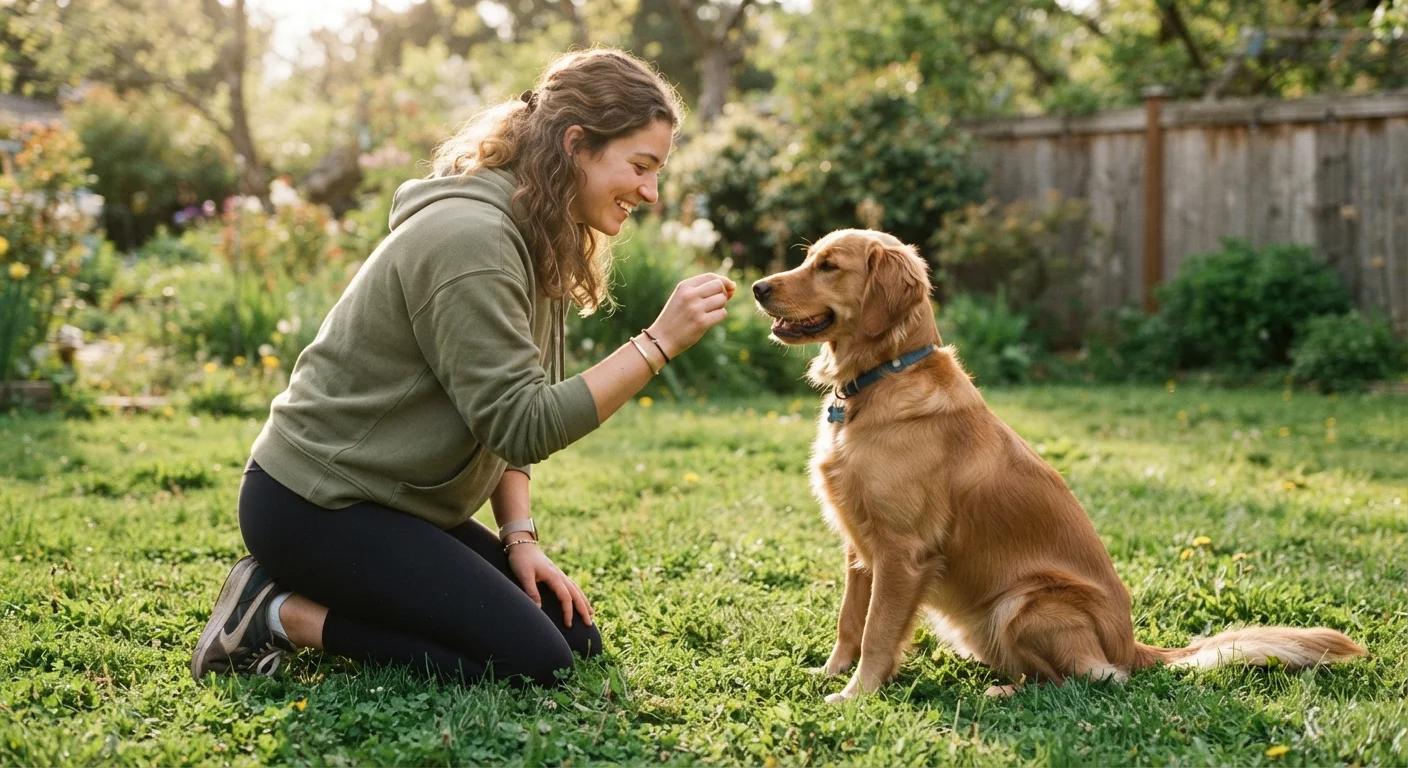
Food is one of the most powerful motivators for animals because it satisfies a biological drive. When a pet performs a behavior and immediately receives a food reward, the brain reinforces that connection — making the animal more likely to repeat the action. This is the foundation of operant conditioning, a well-established learning principle used by trainers across species.
Unlike praise, which requires a pet to have already learned that verbal approval is meaningful, food rewards are intrinsically motivating from day one. That makes them especially useful when you're starting from scratch with a puppy, kitten, or newly adopted animal. They're also fast: a small treat can mark the exact moment of correct behavior in a way that's hard to achieve with other reward types.
For a deeper look at how this learning mechanism works, see the science behind reward-based pet training.
Instantly motivating for most pets
Food satisfies a biological need, making it reliably appealing even in new or unfamiliar training situations. This gives owners a ready tool that doesn't require the pet to have any prior training history.
Speeds up initial learning significantly
The immediate reward signal helps animals make quick associations between a behavior and a positive outcome, compressing the time it takes to teach new commands or routines.
Works across a wide range of species
From dogs and cats to birds and rabbits, most common household pets can be trained with food rewards, making treat-based methods broadly applicable without needing species-specific equipment.
Keeps training sessions positive and low-stress
Food rewards create an enjoyable association with training time, reducing anxiety in shy or nervous animals and making sessions something pets actively look forward to.
Easy for beginner pet owners to use
Unlike timing-sensitive tools such as clickers, treats require minimal equipment and skill to deliver, making them one of the most accessible entry points for new pet owners.
The Downsides You Should Know About
Despite their effectiveness, food treats aren't without real drawbacks. The most common concern among pet owners is treat dependency — the pet performs reliably only when a treat is visible or expected. This often happens when owners reward every single repetition without ever fading the treat schedule, so the animal never learns to work for intermittent or delayed rewards.
Caloric intake is another practical concern. Small dogs, cats, and pocket pets like rabbits have modest daily calorie needs. Regular training sessions using standard-sized treats can add up quickly, contributing to weight gain over time. It's worth discussing appropriate treat types and portion sizes with your veterinarian, particularly for animals with health conditions or dietary restrictions.
There are also situations where food simply doesn't work well — a highly distracted environment, an animal that isn't food-motivated, or a pet that's already full. In those cases, relying solely on treats can stall progress. Recognizing these limits helps owners build a more flexible toolkit. Certain everyday habits can quietly undermine training, and over-rewarding is one of them.
Can create treat dependency if overused
Pets rewarded on every single repetition may refuse to perform without a visible treat present. Gradual fading of rewards is essential to prevent this pattern from becoming entrenched.
Adds unwanted calories to the pet's diet
Frequent training sessions with standard treat portions can push daily caloric intake above healthy limits, especially for small breeds and animals prone to weight gain.
Ineffective for non-food-motivated animals
Some pets — particularly anxious dogs, cats with limited appetites, or animals that are full — show little interest in food during training, making treats an unreliable primary reward.
May not hold attention in distracting environments
High-distraction settings like dog parks or busy streets can reduce a treat's value below the pull of competing stimuli, limiting its usefulness for real-world reliability training.
Timing errors can reinforce the wrong behavior
If the treat arrives even a second or two late, the pet may associate the reward with whatever it was doing at that moment — not the intended behavior — reinforcing an unintended action.
How to Use Treats More Effectively
Getting the most from treat-based training comes down to three practices: timing, sizing, and fading.
- Timing: Deliver the treat within one to two seconds of the desired behavior. Delayed rewards confuse pets about what exactly they're being rewarded for.
- Sizing: Use tiny pieces — roughly the size of a pea or smaller. This keeps sessions moving without filling your pet up too fast, and it keeps calories manageable across multiple repetitions.
- Fading: Once a behavior is reliable, gradually shift to rewarding intermittently rather than every time. This actually strengthens the behavior over time, similar to how slot machines maintain engagement through unpredictable rewards.
Pairing food rewards with verbal praise or a clicker can also help bridge the gap as you reduce treat frequency. Clicker training and verbal cues each offer distinct advantages and can complement treat use well.
Treat Type Matters Too
Soft, pea-sized treats are generally preferred for training because they're consumed quickly and don't interrupt session momentum. Hard biscuits or large chews take longer to eat and can break focus. If your pet has food allergies or a health condition, ask your veterinarian before introducing a new treat type into regular training rotations.
Balancing Treats Within a Broader Training Strategy
Treats are a tool, not a training philosophy. The most durable results come from combining food rewards with other forms of reinforcement — play, physical affection, and life rewards like being let outside or having a leash clipped on for a walk. Different pets respond to different motivators, and building a varied reward hierarchy makes your training more adaptable.
It's also worth noting that treat-based methods are not the only humane approach to training, but research consistently supports positive reinforcement as effective and low-stress for animals. For context on why alternatives like punishment-based methods often fall short, see why punishment-based training often backfires.
If you're training animals beyond dogs — cats, birds, or small mammals — the underlying principles of treat use remain similar, though species-specific preferences vary. Training techniques across different household pets covers how to adapt these concepts for a range of animals.
~73%
Dog owners who use food as a primary training reward
Survey data from the American Pet Products Association indicates food rewards are the most commonly reported training tool among dog-owning households.
10% rule
Recommended daily calorie cap for pet treats
Most veterinary nutritionists advise that treats should account for no more than 10% of a pet's total daily caloric intake to avoid weight and dietary imbalances.