Why the First Week Matters So Much
Bringing a dog home is exciting — but for your new companion, everything is unfamiliar. New smells, new sounds, new people, and no established routine. The behaviors and associations your dog forms in these early days tend to stick. Dogs are quick learners, and that works both for and against you: good habits built now become second nature, but so do bad ones.
Think of the first week as laying a foundation. You are not trying to teach every command or solve every challenge at once. You are helping your dog understand what life in your home looks and feels like. That clarity, delivered calmly and consistently, is what allows a dog to relax and begin trusting you. For a broader overview of what to expect when you first bring any pet home, see what new pet owners should know.
Setting Up a Safe Space Before Your Dog Arrives
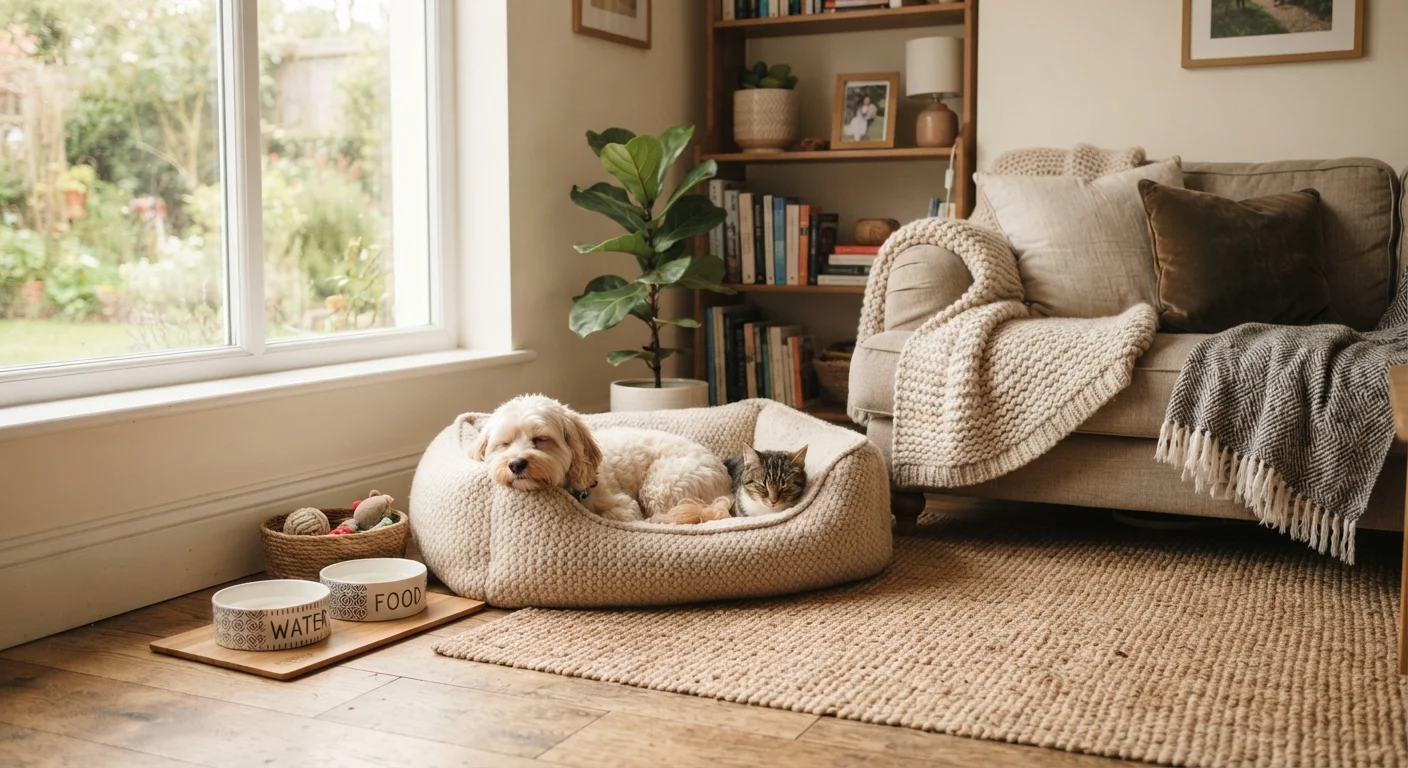
Before your dog walks through the door, designate one quiet area — a corner of a bedroom or a low-traffic living room spot — as their home base. This space should contain their bed or crate, a water bowl, and a couple of chew-safe toys. Avoid placing it near high-foot-traffic areas where they will be startled constantly.
Limiting your dog to one or two rooms initially is not restrictive — it is kind. A large home can feel overwhelming and makes it harder for you to supervise and prevent accidents. Use baby gates rather than closed doors when possible; your dog can still see and hear the household while staying in a manageable zone. As their confidence and reliability grow, expand their access gradually.
Crate
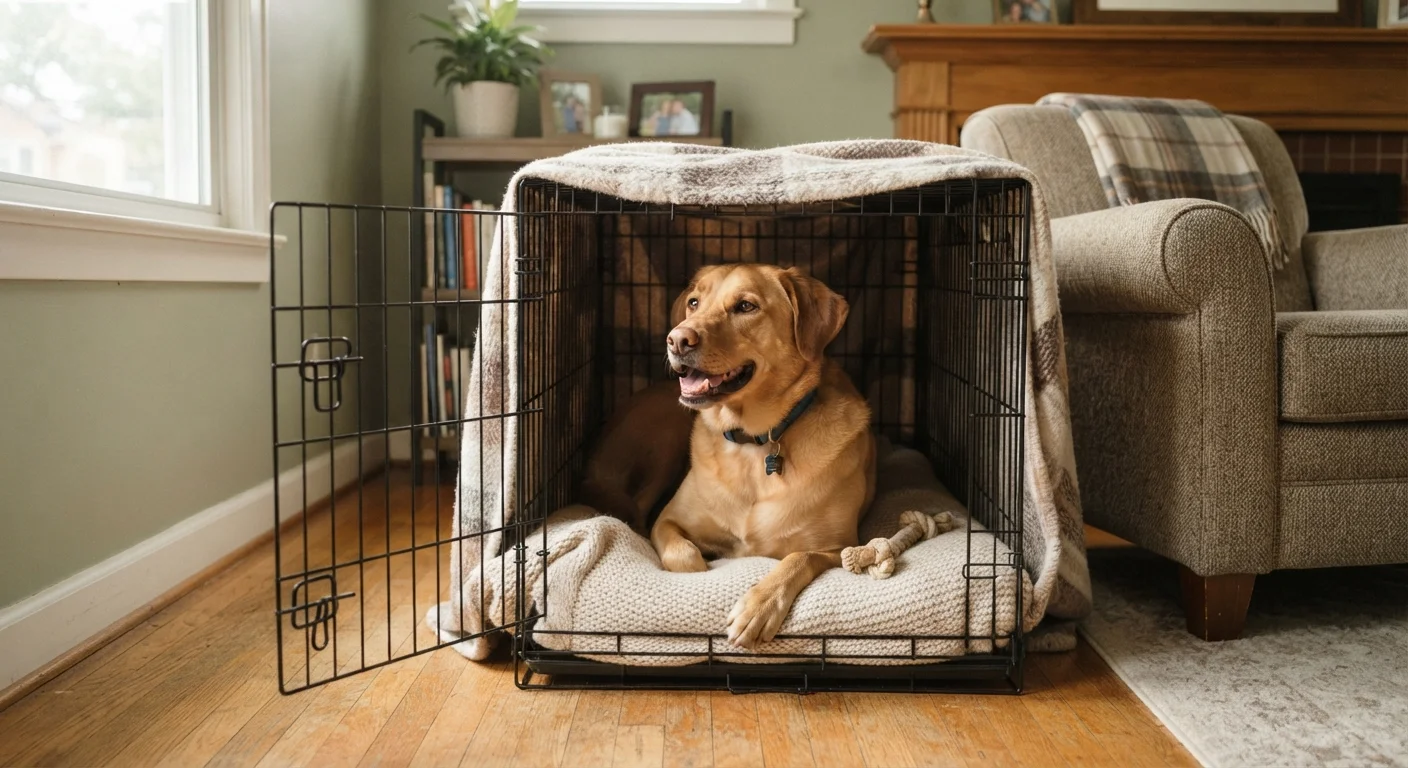
A secure, enclosed space — typically wire or plastic — that serves as your dog's own den for resting and sleeping. When introduced positively, it is not a punishment but a place of comfort.
Potty training
Teaching your dog to eliminate outdoors (or in a designated spot) through consistent scheduling, supervision, and positive reinforcement when they go in the right place.
Positive reinforcement
Rewarding a behavior immediately after it happens to increase the chance the dog repeats it. Rewards can be treats, praise, or play — whatever your dog values most.
Boundary setting
Establishing consistent household rules — such as where the dog can go and what they are allowed to do — so the dog learns predictable expectations from the start.
Decompression period
The adjustment time a newly adopted or rehomed dog needs to settle into a new environment. During this phase, low-key interactions and a quiet space help the dog feel safe.
Enzyme cleaner
A cleaning product that breaks down the biological compounds in pet waste, fully eliminating odor rather than just masking it — which helps prevent dogs from returning to the same spot.
Introducing the Crate the Right Way
A crate, introduced properly, becomes a place your dog chooses to rest in — not a cage they dread. The key is patience. On day one, simply place the crate in the room with the door open and drop a few treats or a favorite toy inside. Let your dog investigate at their own pace without any pressure to enter.
Over the first two to three days, begin feeding meals just inside the crate entrance, then gradually move the bowl further in. Once your dog enters willingly, you can start closing the door for short periods — a minute or two — while you remain nearby. Extend that time incrementally. Never use the crate as a consequence for bad behavior; it must remain a neutral-to-positive space.
For a complete walkthrough of crate setup, schedules, and troubleshooting, our full crate training guide covers the process from start to long-term use.
Start Crate Training on Night One
Placing the crate next to your bed for the first few nights can significantly reduce nighttime whining. Your dog can hear and smell you, which provides reassurance without creating a habit of sleeping in your bed. Once they sleep through the night reliably, you can gradually move the crate to its permanent location.
Potty Training Basics That Actually Work
Consistency is the single most important factor in potty training. Take your dog outside first thing in the morning, after every meal, after every nap, after play sessions, and right before bed. For young puppies, that may mean a trip outside every one to two hours. Use the same door and go to the same spot in the yard each time — familiar scents prompt faster results.
When your dog goes in the right place, mark it immediately with a calm, upbeat "yes" or a click if you use a clicker, followed by a small treat. Timing matters: the reward should come within two seconds of the behavior. If an accident happens indoors, clean it with an enzyme-based cleaner and move on without drama. Punishment after the fact is ineffective and can make your dog anxious about eliminating in front of you at all — which backfires outdoors.
Never Punish Accidents After the Fact
Scolding or rubbing a dog's nose in an accident they had minutes ago does not teach them where to go — dogs do not connect a past action with a current correction. It can, however, make them fearful of eliminating in your presence, which makes outdoor potty training harder. Stay calm, clean thoroughly, and tighten your supervision schedule instead.
Setting Boundaries Before Bad Habits Form
Decide your household rules before your dog arrives and make sure every family member applies them the same way. Is the dog allowed on furniture? Will they sleep in the bedroom? Can they beg at the table? There are no universally right answers — but inconsistency is always the wrong one. If your dog is allowed on the couch sometimes but scolded for it other times, you are not teaching a rule; you are teaching confusion.
Redirect unwanted behaviors calmly and immediately. If your dog jumps up for attention, turn your back and wait for four paws on the floor, then reward. If they pick up something they shouldn't, offer a fair trade rather than chasing them — chasing turns into a game. The goal is to make the right choice easier and more rewarding than the wrong one. For guidance on introducing your dog to new people and environments without overwhelming them, low-stress socialization strategies are a useful next read.
Building a Routine That Sticks
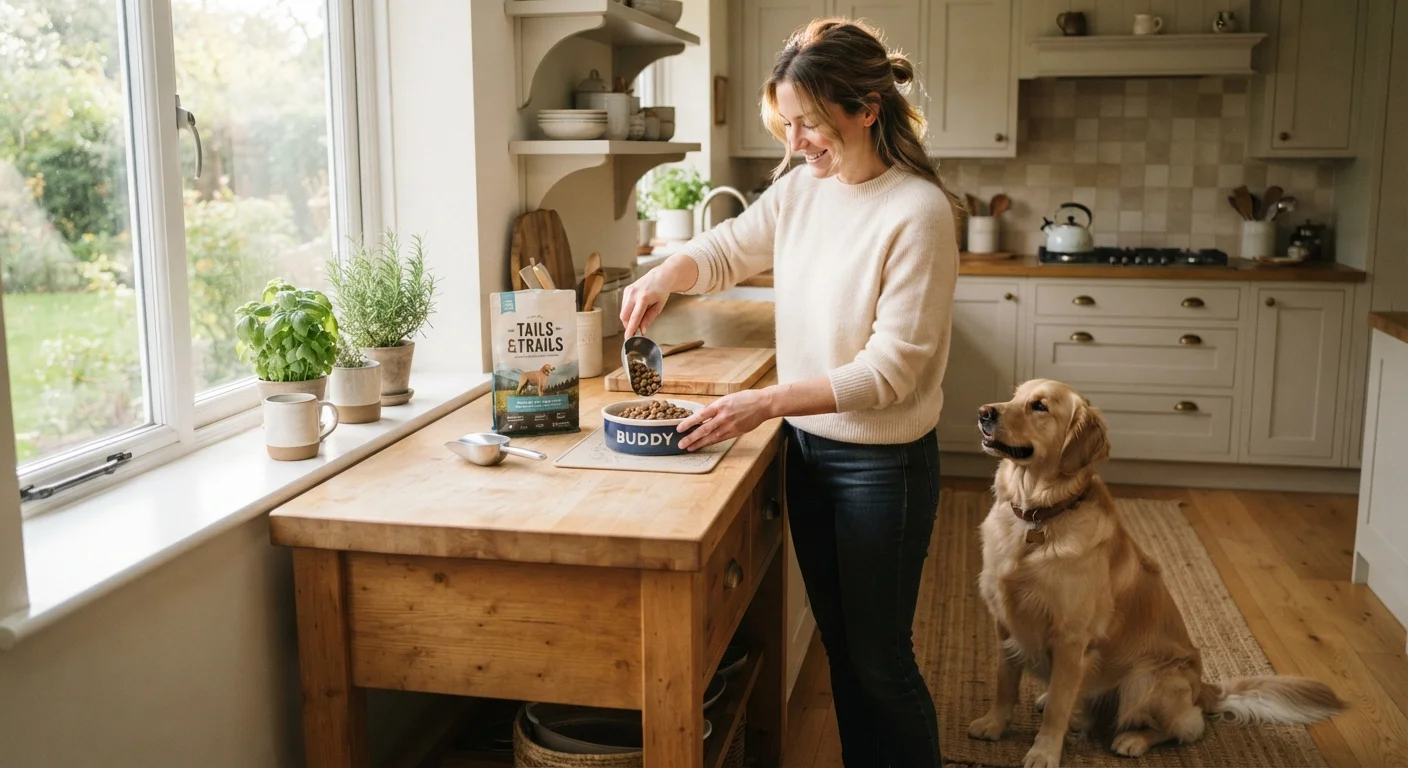
Dogs thrive on predictability. By the end of your first week, aim to have a loose daily schedule in place: wake-up and first outside trip, breakfast, a walk or play session, a midday potty break, an afternoon rest, dinner, evening exercise, and a final bathroom trip before bed. The exact times matter less than the sequence being reliable day to day.
A consistent routine does more than just support potty training — it reduces anxiety, curbs boredom-related destructive behavior, and helps your dog understand what is coming next. Before your first formal training session, take a moment to review the readiness checklist for pet owners to make sure your environment and expectations are aligned. For a longer-term framework, building a daily care routine that works for you and your pet will help you structure feeding, exercise, and rest sustainably.