Why Caribbean Islands Are Not Interchangeable
Scrolling through Instagram, it's easy to assume every Caribbean island is a sun-drenched paradise that delivers the same experience. In practice, the differences between, say, St. Barts and Jamaica — or Aruba and Barbados — are enormous. Prices, entry rules, weather patterns, crowd levels, and the overall atmosphere can be worlds apart, even when the islands are only a short flight from each other.
Before you lock in flights and accommodations, running through a structured checklist can save you from expensive surprises. This guide walks you through the key questions to answer for any Caribbean island before you commit. For a broader pre-trip review, also check out our pre-departure checklist covering passports, home security, and day-of essentials.
Entry & Documents
Weather & Timing
Budget & Hidden Costs
Vibe & Fit
Entry Requirements, Documents, and Health Rules
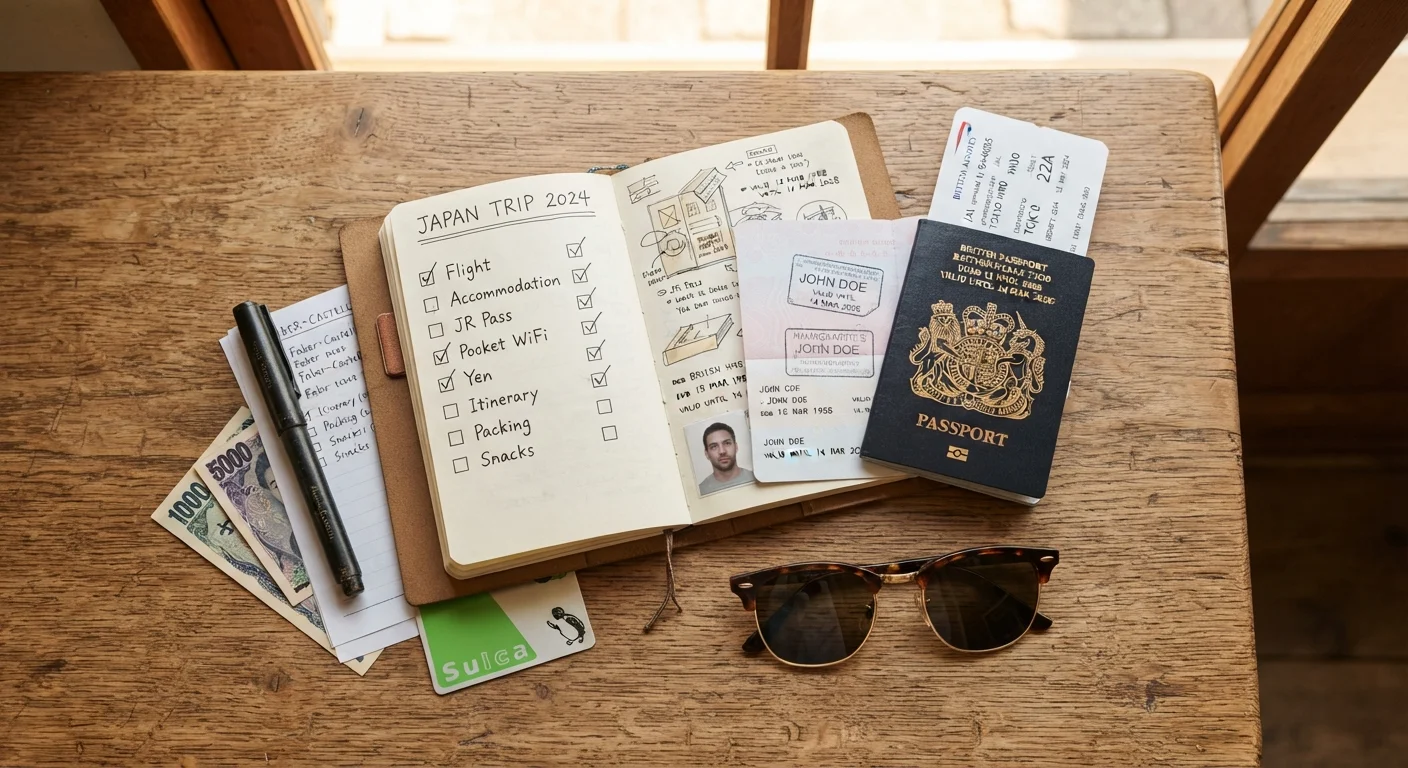
The Caribbean spans dozens of independent nations, British Overseas Territories, French departments, Dutch territories, and US territories — each with its own rules. A US passport gets you into some destinations without a visa; others require advance applications, tourist cards (sometimes purchased on arrival, sometimes before), or proof of onward travel. US territories like Puerto Rico and the US Virgin Islands require no passport at all for American citizens.
US Territories Require No Passport for US Citizens
Puerto Rico and the US Virgin Islands are US territories, meaning American citizens travel there under the same rules as any domestic destination — no passport required, no customs on return. This makes them a genuinely different category of Caribbean travel with significantly simpler logistics. If your group includes members without a valid passport, these destinations deserve a close look.
Health requirements also shift. Some islands have historically required proof of yellow fever vaccination for travelers arriving from certain countries; others have had their own entry health documentation requirements. Always verify current rules directly through the island's official tourism board or the US Department of State's travel information pages — these change, and travel blogs are often out of date.
Timing, Weather, and Hurricane Risk
Hurricane season officially runs from June 1 through November 30, but not all islands carry equal risk during that window. The southeastern Caribbean — islands like Barbados, Trinidad, and Aruba — sits below the typical hurricane belt and historically sees far fewer direct hits than islands in the northern and central Caribbean. That said, no island is completely immune.
Don't Rely on Travel Blogs for Entry Rules
Entry requirements, health documentation rules, and tourist card fees change frequently — sometimes with very little notice. A blog post written six months ago may reflect rules that have since been revised or reversed. Always verify current requirements directly through the official tourism board of your destination and the US Department of State before booking non-refundable travel.
Hurricane Season Risk Is Real but Uneven
Not all Caribbean islands face equal hurricane exposure, but no island is completely risk-free during June through November. If you choose to travel during this window, seriously consider travel insurance that covers weather-related cancellations and trip interruptions. Understand your airline's and accommodation provider's cancellation policies before booking — not after a storm forms.
Traveling during shoulder season (May or November) can mean meaningfully lower prices and thinner crowds, but it also means a higher chance of rainy days or tropical weather disruptions. If weather certainty matters to you, December through April is the drier, calmer stretch across most of the region. Weigh that against the price premium — peak-season rates can be substantially higher.
Also think about what "rain" means on your island of choice. Some islands like Dominica are lush and mountainous precisely because they get significant rainfall year-round. Rain there is brief and intense; on flatter, drier islands like Bonaire, you might go a week without seeing a cloud.
Cost Differences Are Stark — Budget Before You Click 'Book'
The Caribbean spans an enormous price range. St. Barts is one of the most expensive destinations in the entire Western Hemisphere — expect to pay $30–$50 for a simple lunch and several hundred dollars per night even for modest lodging. On the other end, destinations like the Dominican Republic or parts of Jamaica offer all-inclusive packages that can bring your daily spend to a very competitive level.
Costs to factor in beyond flights and accommodation include: airport departure taxes (sometimes not included in airfare), tourist fees charged at the hotel level, currency exchange rates, tipping customs, and the cost of getting around — some islands have reliable shared taxis; others essentially require a rental car. Our companion piece on common budget traps travelers miss is worth reading alongside this checklist.
If you're weighing an all-inclusive resort, be honest about how you travel. They can offer real value for beach-focused travelers, but they can also bottle you into a single property. See our balanced breakdown of all-inclusive travel to think it through.
US Department of State Travel Website (travel.state.gov)
Check official travel advisories, passport and visa requirements, and entry documentation for any Caribbean destination.
Island's Official Tourism Board Website
Verify current health requirements, tourist fees, and on-the-ground logistics directly from the source.
CDC Travelers' Health Page (wwwnc.cdc.gov/travel)
Review health precautions, recommended vaccinations, and current health notices for your destination.
Currency Exchange Reference Tool (e.g., XE.com)
Check current exchange rates before departure to understand real costs and avoid unfavorable airport exchange rates.
Travel Insurance Comparison Resources
Research what hurricane, medical, and trip cancellation coverage options are available for Caribbean travel during your dates.
Matching Island Vibe to Your Travel Style
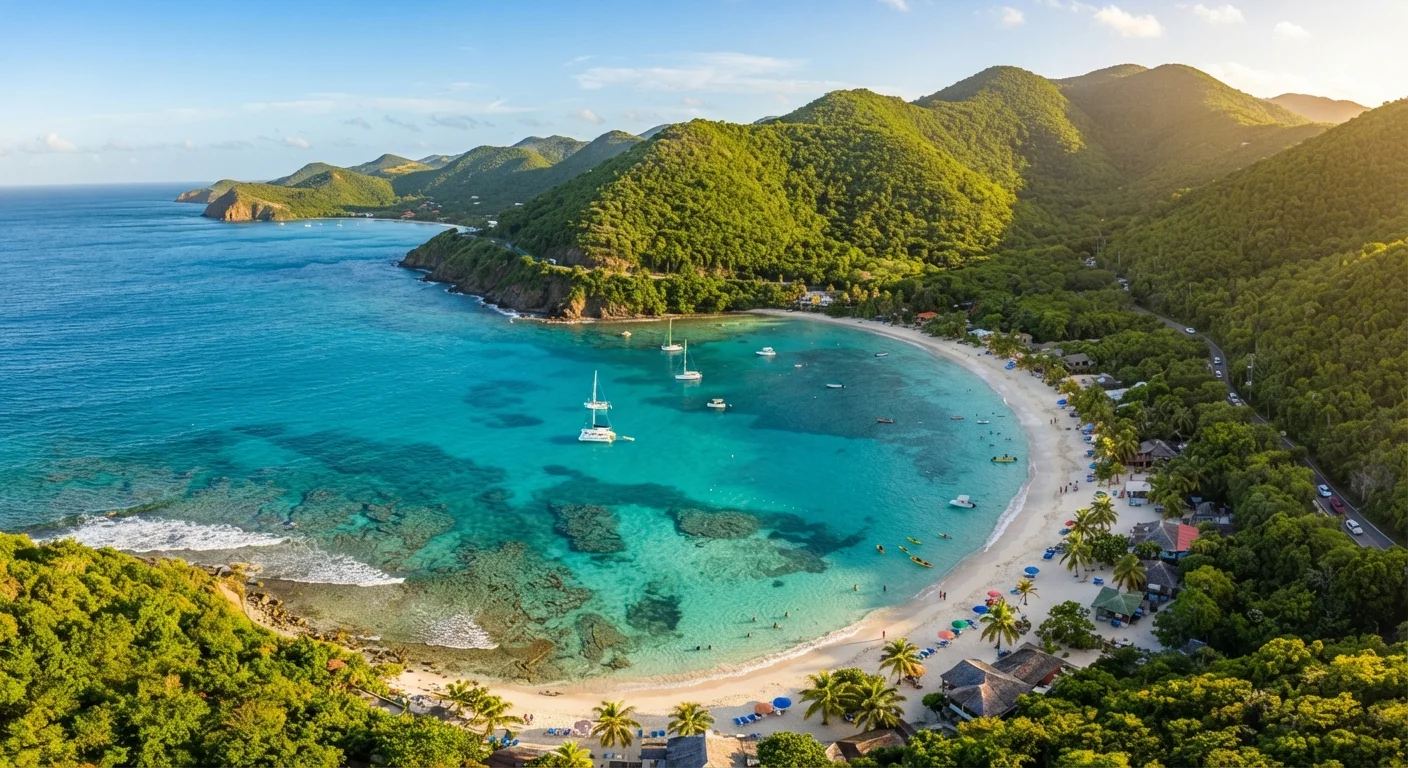
This is where a lot of first-time Caribbean travelers get tripped up. They book based on a photo and arrive expecting one kind of trip — then find the reality is completely different. Some questions worth asking: Do you want nightlife and a party scene, or peace and quiet? Are you hoping to snorkel world-class reefs, hike rainforests, or just plant yourself on a lounger? Are you traveling with kids, or is this a couples or solo trip?
Ibiza-adjacent energy? Look at islands with active resort strips. Quiet and upscale? Smaller, less-touristed islands often deliver more seclusion. Into eco-tourism and nature? Dominica, St. Lucia, and Grenada offer rugged terrain and serious biodiversity. History and culture buffs might gravitate toward Cuba (note: verify current US travel regulations carefully before planning) or Curaçao, with its striking Dutch colonial architecture. This kind of traveler-to-island matching exercise is similar to what we walk through in our Hawaii island guide — the framework translates well.
Before you finalize anything, also run through our first-time traveler booking checklist to make sure nothing slips through the cracks.