Why the Island You Pick Changes Everything
Booking a trip to Hawaii and booking a trip to a specific Hawaiian island are two very different decisions. The state spans six main islands open to visitors, each with its own personality, pace, and landscape. Choosing wrong doesn't ruin the trip — Hawaii is hard to hate — but it can mean spending your vacation in the wrong gear entirely.
If you've ever wondered how Oahu, Maui, Kauai, and the Big Island actually stack up for different kinds of travelers, this breakdown cuts through the brochure language and gives you a straight read. For a broader look at how destination environments match different priorities, see our guide on matching destinations to your travel style.
| Oahu | Maui | Kauai | Big Island | |
|---|---|---|---|---|
| Best for | First-timers, families | Couples, luxury seekers | Nature lovers, hikers | Adventure, geology fans |
| Crowd level | High | High to moderate | Moderate to low | Moderate |
| Nightlife & dining | Strong | Good | Limited | Moderate |
| Top draw | History + surf + city | Road to Hana, resorts | Na Pali Coast hiking | Volcanoes National Park |
| Car rental needed? | Optional | Recommended | Recommended | Essential |
| Price range (general) | Moderate–high | High | Moderate–high | Moderate |
Oahu: The First-Timer's Island
Oahu is Hawaii's most visited island for good reason — it delivers the widest range of experiences in the most accessible package. Waikiki Beach puts you within walking distance of restaurants, shops, and surf lessons. Pearl Harbor and the Bishop Museum offer genuine historical depth. The North Shore serves up legendary waves and low-key plate lunch spots that feel nothing like the resort strip.
Oahu also has the strongest public transit infrastructure, making it workable even without a rental car. That said, traffic around Honolulu can rival mainland cities during peak hours, and popular spots like Hanauma Bay require advance reservations. Families traveling with younger kids often find Oahu's logistics the most manageable — for more on what that planning looks like, check out our piece on traveling with kids.
Maui: Romance, Road Trips, and Resort Life
Maui consistently draws honeymooners and couples, and the island earns that reputation. The Road to Hana — a winding 64-mile coastal drive — is one of the most spectacular road trips in the U.S., full of waterfalls, bamboo forests, and ocean lookouts. Wailea's resort corridor offers polished, upscale accommodations along calm, swimmer-friendly beaches.
Maui also has strong whale-watching opportunities from roughly December through April, when humpback whales migrate to its warm waters. The island can feel busy in high season, and luxury pricing is real — budget travelers may find it stretching. If you're weighing a resort-focused stay, our article on the honest pros and cons of all-inclusive resort travel is worth a read before you book.
Timing Your Maui Visit Wisely
If whale watching is on your list, target January through March for peak sightings in Maui's waters. For fewer crowds on the Road to Hana, start the drive early — before 8 a.m. — and consider driving it in reverse (Hana to Paia) to avoid the heaviest traffic. Always check road conditions before departing, as closures after rain events are common.
Kauai: For Those Who Want Nature to Win
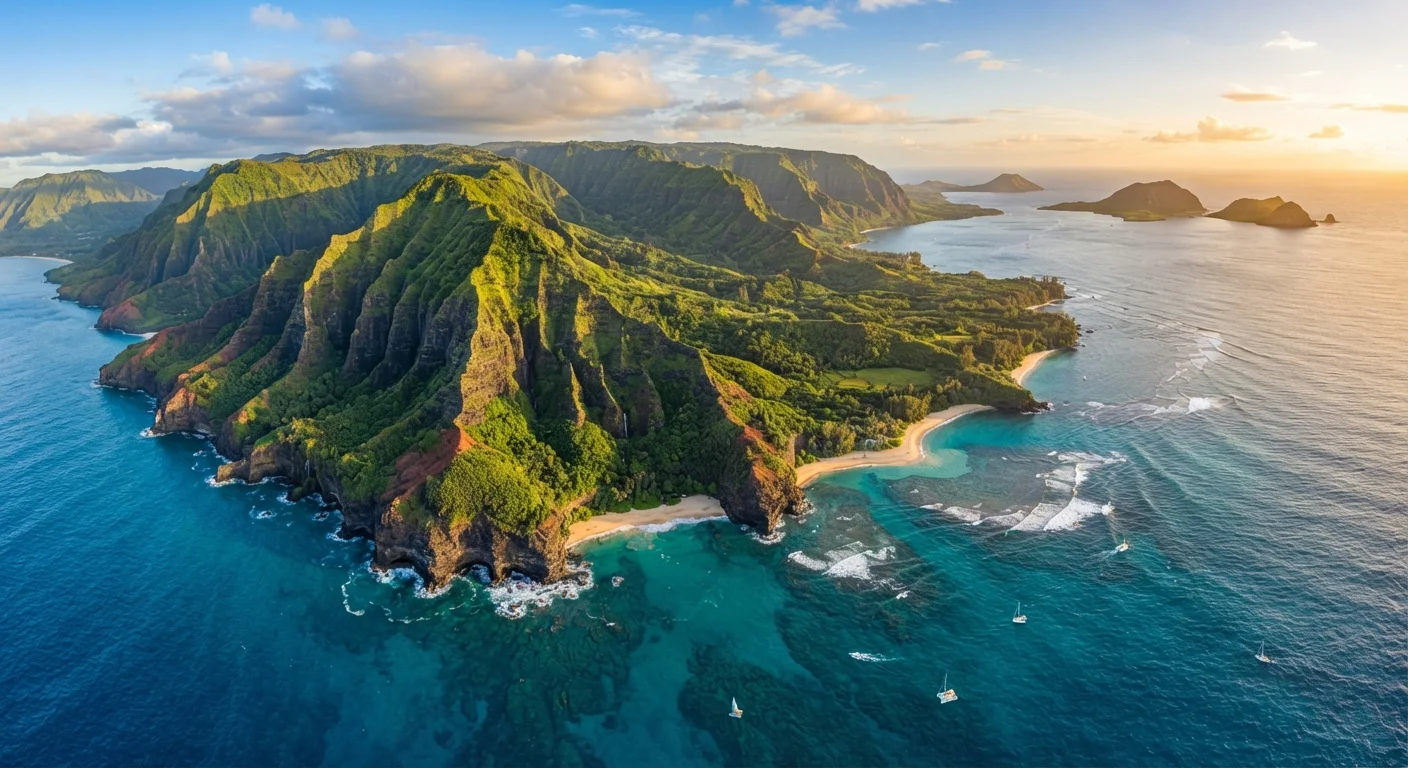
Kauai is the oldest of the main islands geologically, and it shows — the Na Pali Coast's cathedral cliffs and Waimea Canyon's layered red walls are legitimately awe-inspiring. Fewer large resorts and no building taller than a palm tree (a local zoning rule) keep the vibe decidedly unhurried.
Hiking is the island's strongest suit. The Kalalau Trail along the Na Pali Coast is considered one of the most dramatic coastal hikes in the country, though it requires solid fitness and preparation. Rain is frequent on the north shore, so flexibility in your itinerary matters. Kauai rewards travelers willing to slow down and explore on foot — those chasing nightlife or nonstop activities may feel it's too quiet.
The Big Island: Scale, Contrast, and Raw Adventure
Hawaii Island — called the Big Island to avoid confusion with the state — is larger than all the other islands combined. That scale produces wild contrasts: active lava flows at Hawaii Volcanoes National Park, black sand beaches, green sand beaches, snorkeling with manta rays off the Kona Coast, and Mauna Kea's summit at nearly 14,000 feet, where stargazing draws astronomers from around the world.
The Big Island suits travelers who want to cover serious ground and experience geological drama firsthand. Distances between attractions are substantial — a rental car isn't optional here, it's essential. The island also tends to run more affordable than Maui, making it appealing for longer stays. If you're the kind of traveler who compares Hawaii to other tropical destinations, our piece before you book that Caribbean island offers useful context on how island vacations differ across regions.