
Why Short City Trips Fail (And How to Flip the Script)
Most rushed city trips don't fail because of bad luck — they fail because of overambition. Travelers pack eight attractions into a single day, spend half their time on transit between distant spots, and finish each evening exhausted with nothing feeling fully experienced. The good news: a two- or three-day city trip can feel genuinely satisfying when you structure it around depth over breadth.
The core shift is moving from a checklist mindset to a neighborhood mindset. Instead of asking "what should I see in Chicago?" ask "what does one corner of this city actually feel like?" That reframe changes everything about how you plan. If you're still in the early stages of deciding where to go, matching your destination to your travel style is worth thinking through first.
Planning Before You Arrive
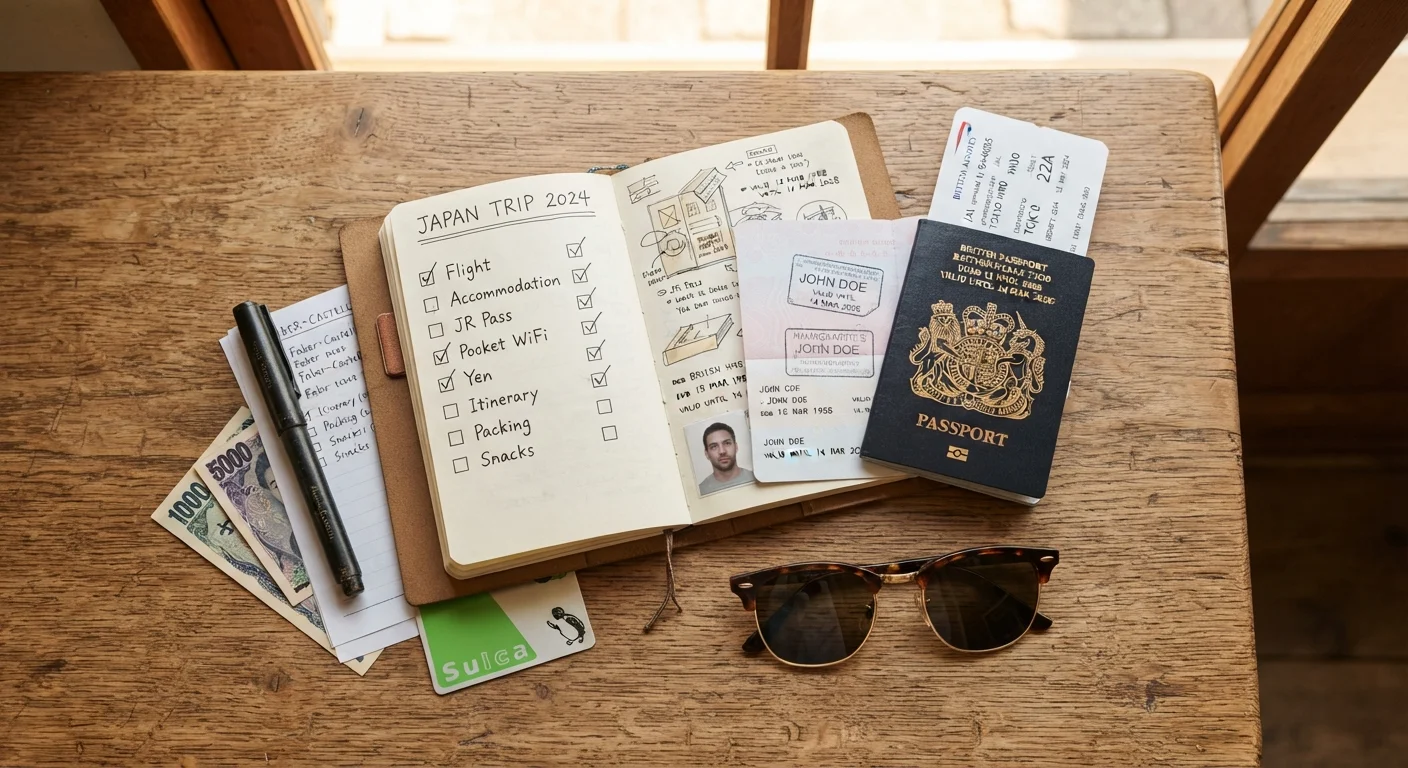
The hours before departure are where short trips are won or lost. A handful of pre-arrival decisions dramatically reduce friction once you're on the ground.
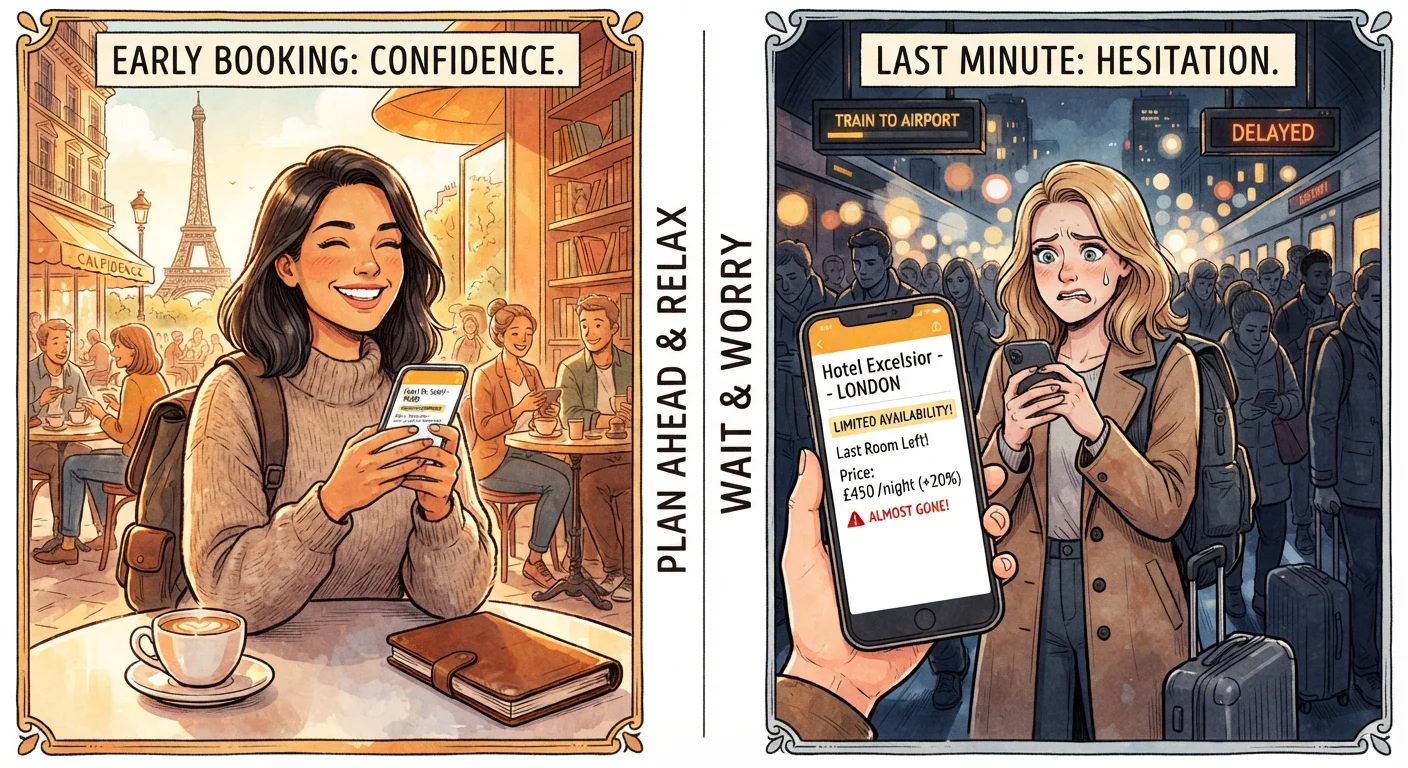
For first-timers heading into genuinely large metros, a destination-specific orientation helps. Our guide to navigating New York City as a first-timer shows how this kind of pre-arrival research pays off in practice. And if you're still sorting out how far in advance to lock things in, this planning timeline guide offers useful benchmarks by trip type.
On-the-Ground Strategies That Actually Work
Once you land, a few habits separate travelers who feel in control from those who feel behind all day.
Use transit like a local. Most major American and international cities have subway or metro systems that are faster and cheaper than rideshares during peak hours. Loading a transit card at the airport saves repeated app-opening and fare calculation later. If you're nervous about unfamiliar systems, reading a foreign transit system is more approachable than it looks.
Protect buffer time deliberately. The single most common feedback from experienced city travelers is that unscheduled time — even 45 minutes — consistently produces the best moments of a trip. A spontaneous detour into a bookshop, an unplanned coffee stop, a longer-than-expected conversation with a local: none of these happen in a back-to-back itinerary. For more on building this balance, structuring your itinerary with breathing room is a practical companion read.
Eat away from major attractions. Restaurants within two blocks of the city's most famous landmark are almost never where locals eat. Walk four to six blocks in any direction, look for spots with handwritten menus or short lines of non-tourists, and you'll usually eat better for less.
Making the Most of Your Final Day
The last day of a short trip has a particular rhythm. Most travelers have a late afternoon flight or checkout, which means the morning is their most valuable window. Use it for whatever felt incomplete — a second pass through a market, a quieter version of an attraction you saw on day one, or just a slow breakfast in the neighborhood you've been staying in.
Avoid scheduling anything logistically complex on departure day. Museum visits that run long, neighborhoods that require multiple transit transfers, or restaurant reservations with rigid timing all create unnecessary pressure when a taxi or airport train is waiting. Keep the final morning light and local. That unhurried feeling is often what people remember most fondly about a short trip.
If you want a full pre-trip system to complement these on-the-ground habits, the trip-planning checklist for first-time travelers covers everything before you even book your flight.