Why Foreign Transit Feels So Disorienting (And Why It Doesn't Have to)
American travelers are often less accustomed to public transit than their international counterparts — many U.S. cities are built around driving, which means hopping into a metro in Tokyo, Paris, or Mexico City can feel genuinely overwhelming at first. But that initial panic is mostly unfamiliarity, not complexity. The systems themselves follow consistent, learnable patterns.
The key insight: most transit anxiety comes from not knowing what to expect, not from the transit actually being difficult. A bit of advance research — even just skimming an official route map — flips that dynamic completely. If you're still building your international travel foundations, our ground-up guide for first-time international travelers covers currency, customs, and logistics that pair well with transit prep.
What you will need
What You'll Need Before You Start
Getting around a foreign city efficiently starts with having the right tools ready — not necessarily fancy gear, but a few practical essentials that give you options when something unexpected comes up.
Google Maps (Offline Mode)
Download your destination's map area before arrival so you can navigate routes without mobile data.
Local Transit App
City-specific apps (such as Tokyo Metro or Moovit) often provide real-time schedules and platform info unavailable in general mapping tools.
Small Denomination Local Currency
Many fare machines only accept cash or local card; having coins and small bills prevents getting stuck at the gate.
Translation App with Camera Function
Point your phone camera at signage to get instant translations of station names, platform directions, or ticket options.
Screenshot Everything Before You Go Offline
Before leaving your hotel's Wi-Fi, screenshot your route, the relevant metro map section, and fare information. These images are instantly accessible even when your phone has no signal — no app required. A quick note in your phone with the local word for 'station' or 'ticket' also goes a long way.
Step-by-Step: Reading and Using an Unfamiliar Transit System
Follow these steps in order when you're approaching a new city's public transport for the first time. They're designed to work whether you're dealing with a sophisticated European rail network or a patchwork of buses and shared taxis in a smaller city.
Study the System Before You Arrive
Spend 15–20 minutes researching your destination's public transit before your flight. Look up whether the city uses a metro, bus rapid transit, tram, commuter rail, or a mix. Identify which lines serve the airport and your accommodation neighborhood. Most major transit authorities publish English-language route maps on their official websites — download or screenshot the relevant sections.
Understand How the Ticketing System Works
Transit ticketing falls into a few common patterns worldwide: single-ride tickets, multi-ride cards, day passes, or tap-and-go contactless payment. Identify which applies to your destination. Some cities use rechargeable IC cards (like Tokyo's Suica or London's Oyster) that you load with credit; others require buying a ticket per journey. Knowing this ahead of time prevents bottlenecks at the machine.
Decode the Map Using Universal Logic
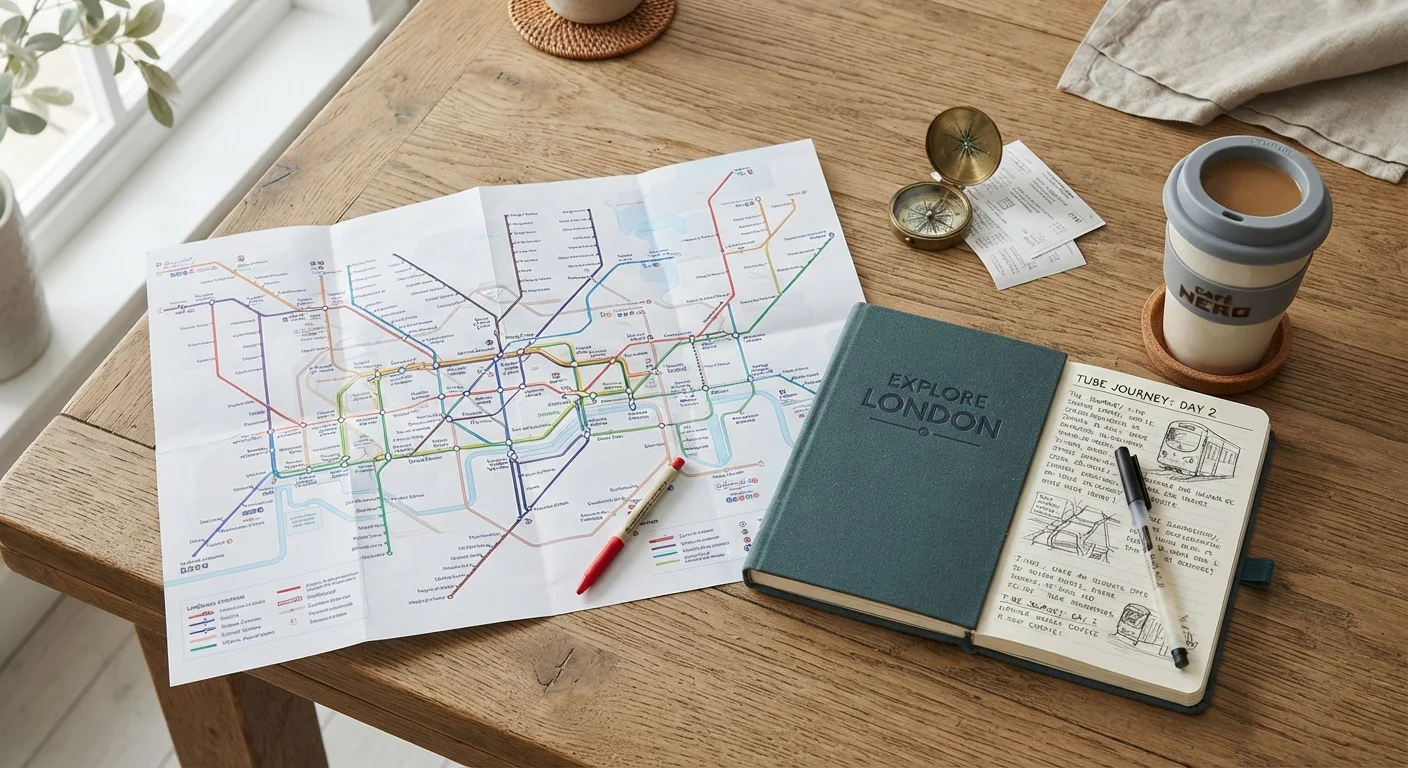
Every transit map in the world uses the same core logic: colored or numbered lines, named stops, interchange stations (where lines cross), and end terminals that tell you which direction a train is heading. To find your route, locate your starting stop and your destination stop, then trace which line or lines connect them. The end terminal name — shown on platforms and train displays — tells you which direction you're going.
Navigate the Station on Arrival
Inside the station, follow pictogram signs — arrows, escalator symbols, and platform numbers work across language barriers. Look for the line color or number that matches your route. In busier hub stations, follow the signs toward your specific terminal destination rather than just your next stop. If you're at a turnstile and unsure, step aside and watch how other passengers use their cards or tickets before attempting it yourself.
Handle Informal Transit Confidently
In many parts of the world — particularly Southeast Asia, Latin America, and parts of Africa — informal transport like tuk-tuks, songthaews, motorbike taxis, or shared minivans are common and legitimate ways to get around. For these, always agree on a fare before you board, ask your accommodation what the fair local price range looks like, and use officially marked vehicles or recommended apps where available. See our Southeast Asia transit snapshot for destination-specific context.
Build a Simple Fallback Plan
Even experienced travelers get confused. Before heading out, write down: your accommodation's name and address in the local script, one nearby landmark, and the local emergency number. If you get genuinely turned around, a licensed taxi shown your destination address can always get you home. Apps like Uber, Grab, or local equivalents work in many cities and show the route and price upfront — a reassuring safety net when you're learning a new system.
Always Verify Transport Info Before You Travel
Train schedules, fare prices, and route changes can shift without much online notice. Always confirm current details through official transit authority websites or at the station itself — not just third-party apps or travel blogs. This is especially important for intercity rail, airport express lines, and any service affected by local holidays.
Putting It All Together on Your Trip
Once you've navigated a foreign system once, the second time is noticeably easier — your brain starts recognizing the pattern. For fast city trips where every hour counts, understanding transit quickly is especially valuable. Our guide on making the most of a short city stay goes deeper on how efficient locals think about movement. And if Japan is on your radar — one of the world's most admired and initially intimidating rail systems — check out our Japan first-timer's guide for transit specifics. Public transport abroad isn't a barrier. With the right preparation, it's often the fastest, most interesting way to see a city from the inside.
Unlicensed Transport Carries Real Risks
In many countries, unofficial taxis or ride-share alternatives operate without regulation and may lack insurance or fixed pricing. Stick to officially marked vehicles, licensed apps, or transit recommended by your accommodation. Your country's embassy travel advisories are a reliable starting point for understanding what's considered safe in a specific destination.