The Gap Between Iceland's Reputation and Reality
Iceland sells itself effortlessly: glowing auroras, steaming geysers, waterfalls tumbling into nowhere. Social media has pushed the country into the top tier of bucket-list destinations for American travelers — and that popularity has a downside. Many visitors arrive with a curated highlight reel in their heads and leave feeling like they missed the movie entirely.
That disconnect rarely has anything to do with Iceland falling short. It has everything to do with mismatched expectations. The country is genuinely extraordinary, but it operates on its own terms — meteorological, geographical, and logistical. Travelers who understand those terms in advance tend to leave thrilled. Those who don't tend to leave frustrated.
The mistakes below are the most common culprits. Recognizing them before you book your flights is the single best thing you can do for your Iceland experience. And since budget surprises compound the disappointment, it's also worth reviewing what a realistic travel budget actually covers before finalizing any plans.
Common Mistakes That Derail Iceland Trips
These aren't rare edge cases — they're patterns that repeat across thousands of visitor reviews and travel forums every year. Read them as a pre-trip checklist, not a list of regrets.
Treating a northern lights sighting as a given.
Why it happens: Aurora images dominate Iceland travel content, making the lights look almost automatic. In reality, sightings require darkness, clear skies, and sufficient solar activity — three variables that rarely align on demand.
Underestimating driving distances and road conditions.
Why it happens: Iceland looks compact on a map, and GPS apps present clean routing times that ignore gravel F-roads, single-lane bridges, sudden weather changes, and mandatory slow-downs for safety.
Visiting in summer expecting dramatic, moody Iceland scenery.
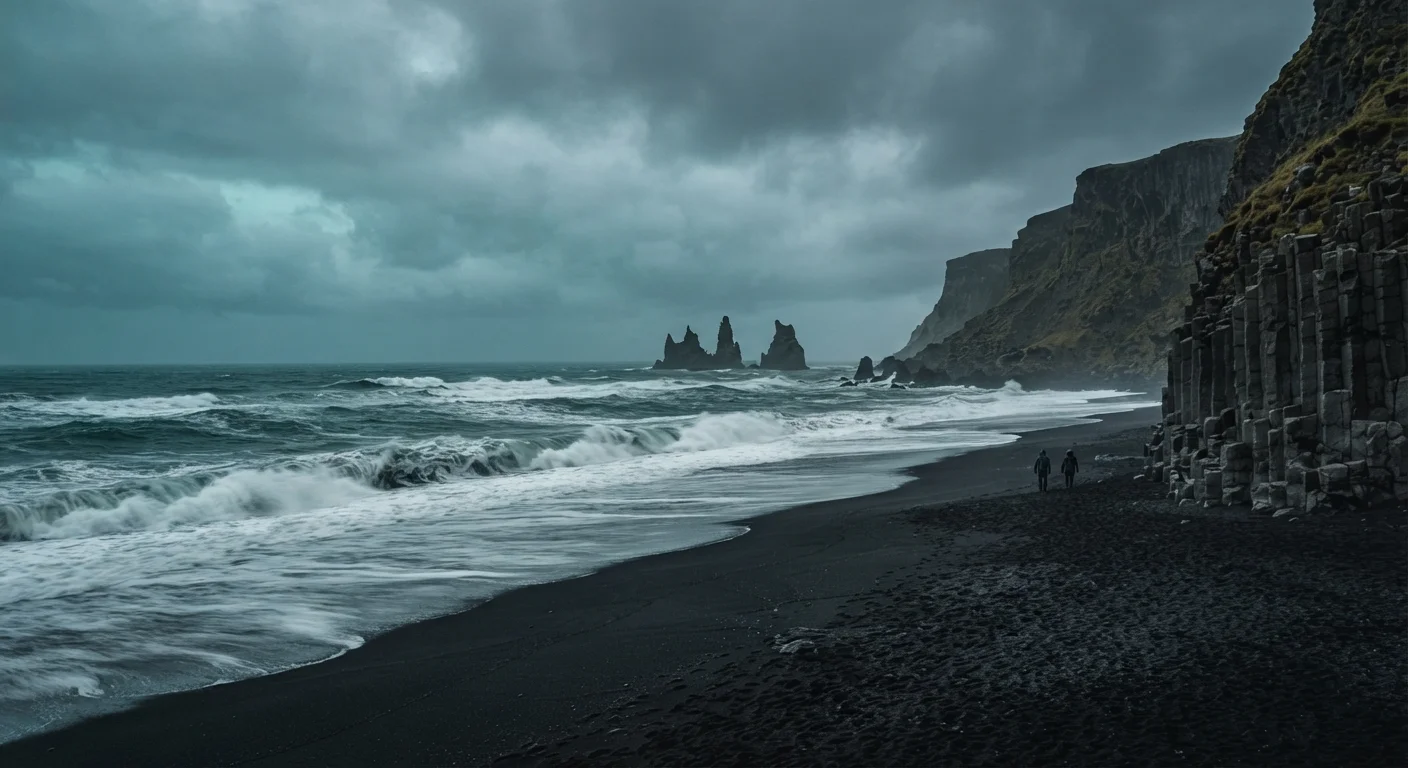
Why it happens: The iconic dark-sky, snow-draped images of Iceland are almost exclusively taken in winter. Summer visitors are sometimes surprised by 24-hour daylight, green hillsides, and tourist crowds at major sites.
Cramming too many stops into the Ring Road itinerary.
Why it happens: The Ring Road (Route 1) circles the entire island, and travelers often try to hit every major attraction along it in seven days or fewer, not accounting for weather delays or travel fatigue.
Relying solely on hotel or hostel bookings made last-minute.
Why it happens: Iceland's growing popularity means accommodations in peak months (June through August) and popular aurora season windows fill up well in advance. Many travelers assume they can sort lodging on arrival the way they might in a larger country.
~2.3M
Annual tourist arrivals in Iceland
Iceland welcomed roughly 2.3 million international visitors in recent pre-pandemic years — more than six times its resident population, according to Statistics Iceland.
~30%
Days with significant weather disruptions
Iceland's Meteorological Office has noted that weather conditions regularly disrupt travel plans, with road closures and visibility issues common in coastal and highland regions.
Building an Itinerary That Actually Works in Iceland
Iceland punishes over-scheduling harder than almost any other destination. Roads get closed by weather. Attractions require longer travel times than mapping apps suggest. A waterfall you planned to spend 20 minutes at might hold you for two hours — or be completely fogged in.
The travelers who enjoy Iceland most tend to build each day around one or two anchors, leave the rest loosely structured, and treat detours as features rather than failures. That mindset shift is harder than it sounds if you're used to maximizing every vacation minute, but it's genuinely necessary here. Our guide on building a trip itinerary that leaves room to breathe walks through exactly how to structure days without over-committing.
If your schedule does get scrambled — and there's a real chance it will — having a flexible fallback plan turns a disruption into an adventure. That's the core idea behind why flexible plans outperform rigid ones. Iceland is the perfect laboratory for that philosophy.
F-Roads Are Not Optional Detours — They're Restricted
Many of Iceland's most dramatic highland routes are designated F-roads, legally restricted to four-wheel-drive vehicles with high clearance. Driving a standard rental car on an F-road voids your insurance and can result in significant fines. Always confirm road classification and your rental terms before heading into the interior — the Highlands are stunning, but the rules around access are firm.
Finally, Iceland's cost of living is among the highest in the world. Many American visitors are caught off guard by food, fuel, and accommodation prices. Checking for common pre-trip spending traps — from airport exchanges to underestimated fuel costs on the Ring Road — can save you hundreds of dollars before you even land.