Why Most Travel Budgets Fall Short
Ask most people what their trip will cost and they'll quote you a flight price and a nightly hotel rate. That's not a travel budget — that's two line items. The real cost of a trip routinely runs 30–50% higher than that initial mental estimate, and the gap is almost always filled by underestimated or completely forgotten expense categories.
The good news: building a complete travel budget isn't complicated. It just requires thinking through every phase of the trip — before you leave, while you're there, and the small stuff that doesn't feel like spending until it's already spent. If you tend to deal with irregular expenses that catch you off guard, travel costs will feel familiar — they work the same way.
30–50%
Average budget underestimation by travelers
Travel finance educators and trip planning resources consistently note that travelers focusing only on flights and hotels routinely undercount their total trip spend by this margin.
15–20%
Recommended contingency buffer
Travel budgeting guidance widely recommends adding at least 15–20% above your itemized estimate to account for price changes, unplanned costs, and currency variability.
$30–$120
Daily food cost range by destination
Traveler-reported daily food costs vary enormously by destination — from budget-friendly cities in Southeast Asia to expensive European capitals or major US urban centers.
The Core Categories Every Budget Needs
Transportation
This includes flights, trains, or gas — but also airport transfers, rideshares within the destination, car rentals, and fuel. For domestic trips, the flying vs. driving math isn't always obvious and deserves its own calculation. Don't forget parking fees at your home airport, which can run $15–$30 per day in many US cities.
Lodging
Hotel prices advertised online often exclude taxes, resort fees, and parking charges. These add-ons can inflate a quoted rate by 20–30%. Always check the total at checkout before comparing options.
Food and Drink
This is where most budgets quietly unravel. Budget separately for breakfasts, lunches, dinners, snacks, and alcohol. A realistic daily food budget varies widely by destination — from roughly $30/day in budget-friendly Southeast Asian cities to $80–$120/day in expensive European capitals or major US cities.
Activities and Entrance Fees
Museum admissions, tours, national park passes, concerts, cooking classes, or guided excursions: list every activity you're likely to do and look up the actual cost. This category is consistently underestimated.
Build Your Budget in a Spreadsheet First
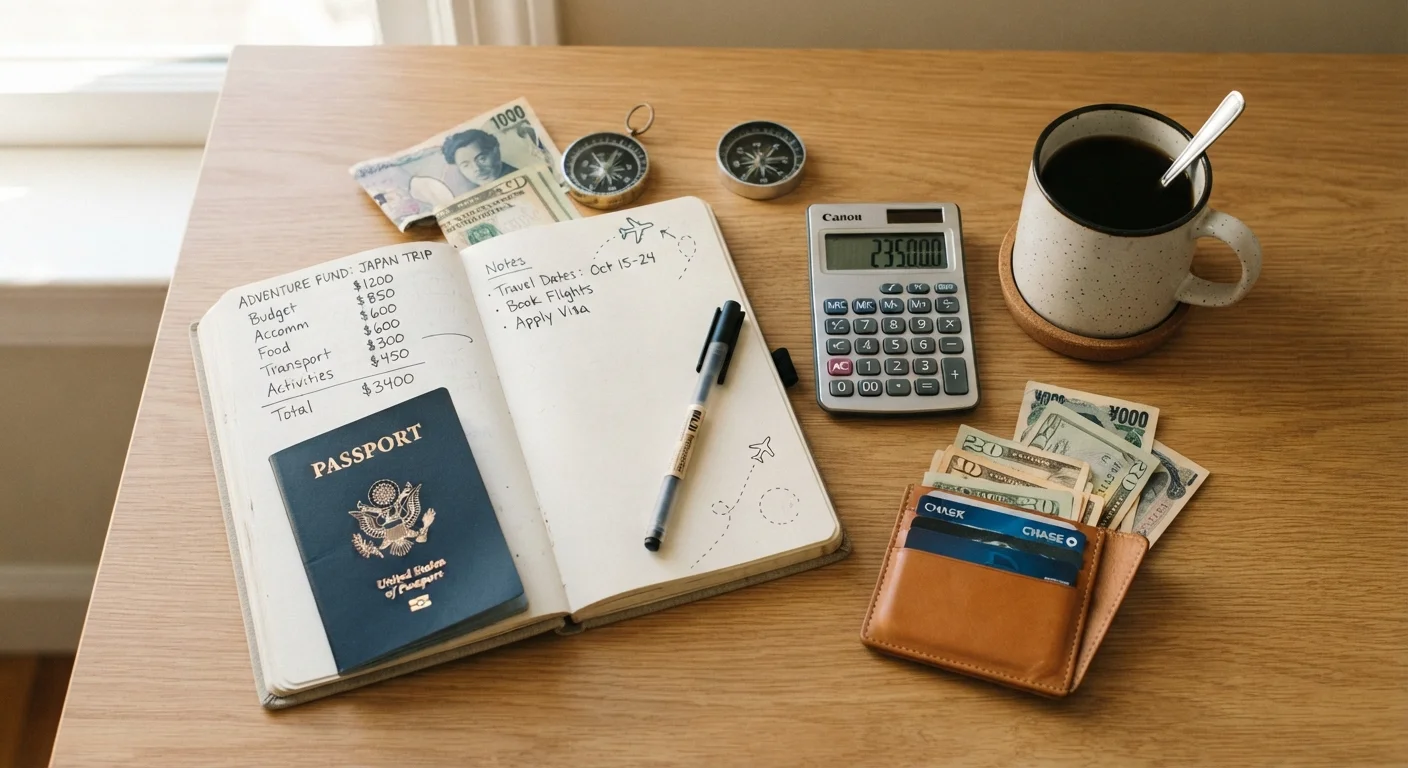
Before booking anything, open a simple spreadsheet and list every category: transportation, lodging, food, activities, pre-departure costs, and a buffer. Researching real prices for each line — rather than guessing — is the single move that most reliably closes the gap between estimated and actual trip cost. Even a rough spreadsheet beats a mental estimate.
Pre-Departure Costs Travelers Routinely Miss
Before you leave home, you may need to spend money on: passport renewal, visas and entry fees, travel vaccinations, new luggage or gear, a travel insurance policy, and home logistics like pet boarding or house-sitting. For international trips especially, visa and health requirements can add a meaningful amount. Always verify current entry requirements with official government sources — these can change.
Packing is its own budget category. Travelers who wait until the week before departure to buy gear often end up overspending on rushed purchases. The packing mistakes to avoid covers this in detail.
Travel insurance deserves its own line item — not a vague mental note. Understanding what it actually covers before you assume you're protected matters more than most people realize. Our guide to what travel insurance actually covers is a helpful starting point.
The Buffer: Your Budget's Most Important Line
Once you've itemized every category, add 15–20% on top of your total as an emergency and contingency buffer. This isn't pessimism — it's accuracy. Prices change, delays happen, and most travelers encounter at least one unplanned expense per trip. Currency exchange rates can also eat into your purchasing power in ways that are hard to predict in advance.
If you're traveling somewhere with an unusual cost structure — like Iceland, where costs routinely surprise visitors — consider a larger buffer. Destination-specific research matters more than generic estimates.
Travelers who skip the buffer and spend to the edge of their itemized budget are also one bad day away from putting trip costs on a credit card. A well-padded travel budget is part of a broader financial picture. If you're working with a variable income, building that cushion takes more deliberate planning, but it's still achievable.
Finally, know the common spending traps that hit travelers before they even arrive — airport dining, currency exchange kiosks, and checked bag fees are among the most discussed in our guide to overlooked ways travelers blow their trip budget.
This article provides general travel budgeting information for educational purposes. Prices, fees, visa requirements, and health recommendations vary by destination and change over time — always verify current details with official government sources and relevant service providers before traveling.