
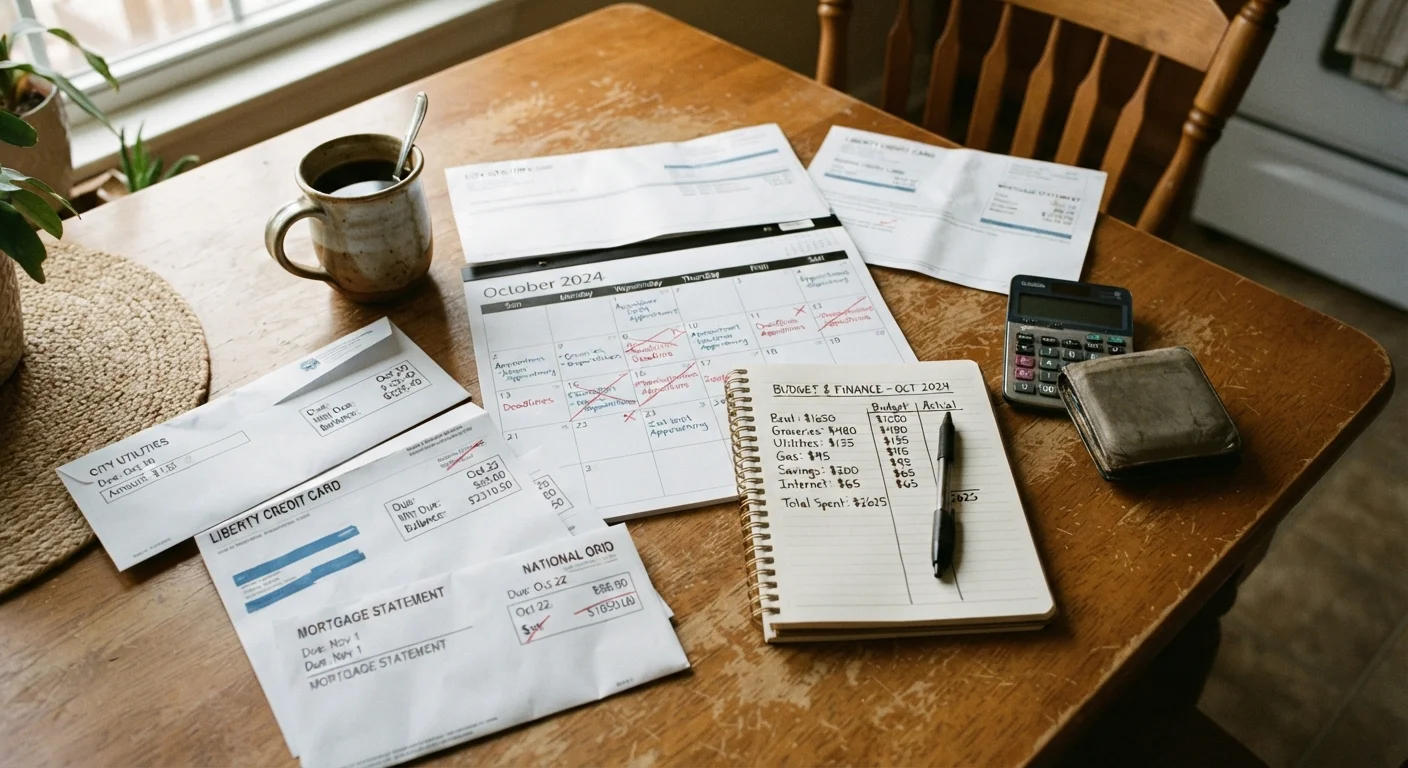
Why Irregular Expenses Break Budgets
Most budgets account for rent, utilities, groceries, and maybe a streaming service or two. What they often miss are the costs that show up every few months - or once a year - and feel like an ambush even though they were never truly unexpected.
Car registration. Dental copays. Holiday gifts. Annual insurance premiums. Back-to-school supplies. These aren't emergencies - they're calendar events. The problem is that most monthly budgets don't have a slot for them, so when they arrive, the money has to come from somewhere else. That "somewhere else" is usually a credit card or an account that was supposed to cover something else.
Before building any plan for irregular expenses, it helps to know what you're dealing with. If you haven't already done a thorough review of your past spending, the spending awareness step is a good place to start. You can also walk through a personal spending audit to catch expenses you may have forgotten entirely.
Below are seven common irregular expenses - and a practical approach for each one.
Vehicle Registration and Fees
Annual vehicle registration costs vary widely by state, but they typically run anywhere from $30 to several hundred dollars depending on where you live and what you drive. Yet most people treat it as a surprise every single year.
Look up what you paid last year - it's on your registration paperwork or in your bank statement. Divide that number by 12 and set that amount aside each month. If your state also charges a personal property tax on vehicles, include that too. For more on the hidden costs of vehicle ownership, see why deferred maintenance costs more.
Vehicle registration is never actually a surprise - it's just not built into most monthly budgets.
Holiday and Gift-Giving Expenses
December spending catches people off guard because it clusters multiple costs - gifts, travel, entertaining, charitable giving - into a short window. A realistic holiday budget starts with a list of everyone you typically buy for and a rough per-person amount.
If last year's total came to $600, that's $50 a month set aside starting in January. By the time the holidays arrive, the money is already there. No credit card debt, no January regret.
Starting a holiday fund in January means December arrives funded, not frantic.
Annual and Semi-Annual Insurance Premiums
Many auto and home insurance policies offer a discount if you pay the full premium upfront rather than monthly. That's worth considering - but only if the lump sum doesn't blindside your cash flow.
Whether you pay annually or semi-annually, divide the total by the number of months until the next payment is due and treat it as a recurring budget line. If your six-month auto premium is $480, that's $80 per month that belongs in your plan regardless of when the bill arrives.
Dividing your insurance premium by months due makes a lump-sum bill feel like nothing.
Subscriptions That Renew Annually
Annual subscriptions - software, streaming services, memberships, cloud storage - often get forgotten between renewal notices. When the charge hits, it can look like an unauthorized transaction if you haven't planned for it.
Go through last year's bank and credit card statements and flag every annual charge. Add them up, divide by 12, and include the monthly equivalent in your budget. You may also find subscriptions you no longer use - canceling those frees up money immediately. For a closer look at how these charges pile up, subscription creep is worth reading.
A quick scan of last year's statements will reveal annual charges you've already forgotten about.
Medical and Dental Out-of-Pocket Costs
Even with insurance, out-of-pocket medical and dental expenses can be significant. Annual physicals, dental cleanings, vision exams, copays, and prescription costs add up across a year in ways that feel random but are actually fairly predictable once you look at your history.
Review what you spent on healthcare last year. If it came to roughly $900, budget $75 per month into a dedicated health expense category. This is separate from your emergency fund - emergency funds are for unexpected crises, not routine care.
Routine healthcare costs are predictable enough to plan for - they don't belong in your emergency fund.
Home and Appliance Maintenance
HVAC servicing, gutter cleaning, pest control, water heater maintenance - these are scheduled costs, not emergencies. A commonly cited rule of thumb is to budget roughly 1% of your home's value annually for maintenance, though actual costs vary significantly based on the age and condition of the home.
Renting doesn't exempt you from this category either. Renters face periodic costs like replacing vacuum filters, buying replacement light fixtures, or covering non-landlord repairs. Build a realistic annual estimate and divide it into monthly savings.
Home maintenance isn't optional - budgeting for it monthly keeps small costs from becoming big ones.
Travel and Seasonal Expenses
Summer vacations, spring break trips, and back-to-school shopping all follow a calendar. They aren't surprises. Yet they consistently derail budgets because they aren't treated as line items in advance.
Estimate your total travel spending for the year based on what you actually spent last year, then divide by 12. Do the same for any seasonal spending category that applies to your household. For a detailed look at what travel costs actually involve, a realistic travel budget breakdown can help you think through every expense category before you book.
A vacation you've been planning all year shouldn't still catch your budget off guard.
Turning One-Time Costs Into Monthly Line Items
The underlying strategy across all of these categories is the same: divide the annual or seasonal total by 12, and treat that amount as a fixed monthly expense. This concept - often called a sinking fund - turns lumpy, unpredictable cash needs into something you can actually plan around.
Start with a Simple Annual Expense List
Grab last year's bank and credit card statements and highlight every charge that wasn't a regular monthly bill. Group them by category and total them up. This gives you a concrete starting point rather than a vague estimate. Even a rough annual total is far more useful than no plan at all.
If you find it hard to keep earmarked money in your main checking account without spending it, a separate savings account labeled by category can help. Automating a monthly transfer into that account on payday removes the decision entirely.
Irregular expenses are also one of the most common reasons budgets fall apart in the early months. Once you've built these categories into your plan, your budget becomes a far more accurate picture of what you actually spend - and far less likely to be derailed by something that was never really a surprise.
This article is for general informational purposes only and does not constitute personalized financial advice. Consider consulting a qualified financial professional for guidance tailored to your situation.