The Standard Rules Most U.S. Airlines Follow
Checked baggage rules aren't uniform across every airline, but a recognizable pattern exists for U.S. domestic travel. Most major carriers allow one checked bag measuring up to 62 linear inches (length + width + height combined) and weighing no more than 50 pounds. Bags between 51 and 70 pounds typically trigger an overweight fee — often $100 or more — and bags over 70 pounds are frequently refused outright or subject to steep surcharges.
Fees for the first checked bag on domestic routes commonly range from $30 to $40 per flight segment, though some airlines waive this for elite frequent flyers or co-branded credit card holders. A second bag usually costs more. Always check your specific carrier's fee schedule before packing, since these numbers shift regularly.
For international routes, allowances often differ significantly — many long-haul carriers include one or two free checked bags in the base fare, particularly in premium cabins. That said, budget transatlantic or transpacific fares may charge for every bag, so read the fine print on your booking confirmation carefully.
What's Actually Prohibited in Checked Bags
The TSA and individual airlines both maintain prohibited-items lists, and they don't always overlap perfectly. As a general rule, lithium batteries — including spare laptop batteries and power banks — are banned from checked bags on most flights and should go in your carry-on instead. This is a hard safety rule, not a guideline.
Other commonly restricted items include: flammable liquids and gels, certain aerosols, fireworks, compressed gases (including self-inflating life jackets beyond a small CO₂ allowance), and firearms without proper prior declaration. Firearms can be checked legally on U.S. flights, but only when unloaded, in a hard-sided locked case, and declared at the check-in counter — the process is specific and regulated, so verify requirements with your airline and the TSA well ahead of your flight.
Fragile or High-Value Items: Proceed With Caution
Airlines are not responsible for breakage of fragile items placed in checked bags, and many explicitly exclude electronics, jewelry, and cash from damage claims. If something would be devastating to lose, carry it on board. If that's not possible, consider purchasing separate travel insurance that covers baggage contents — and keep receipts for any high-value items you do check.
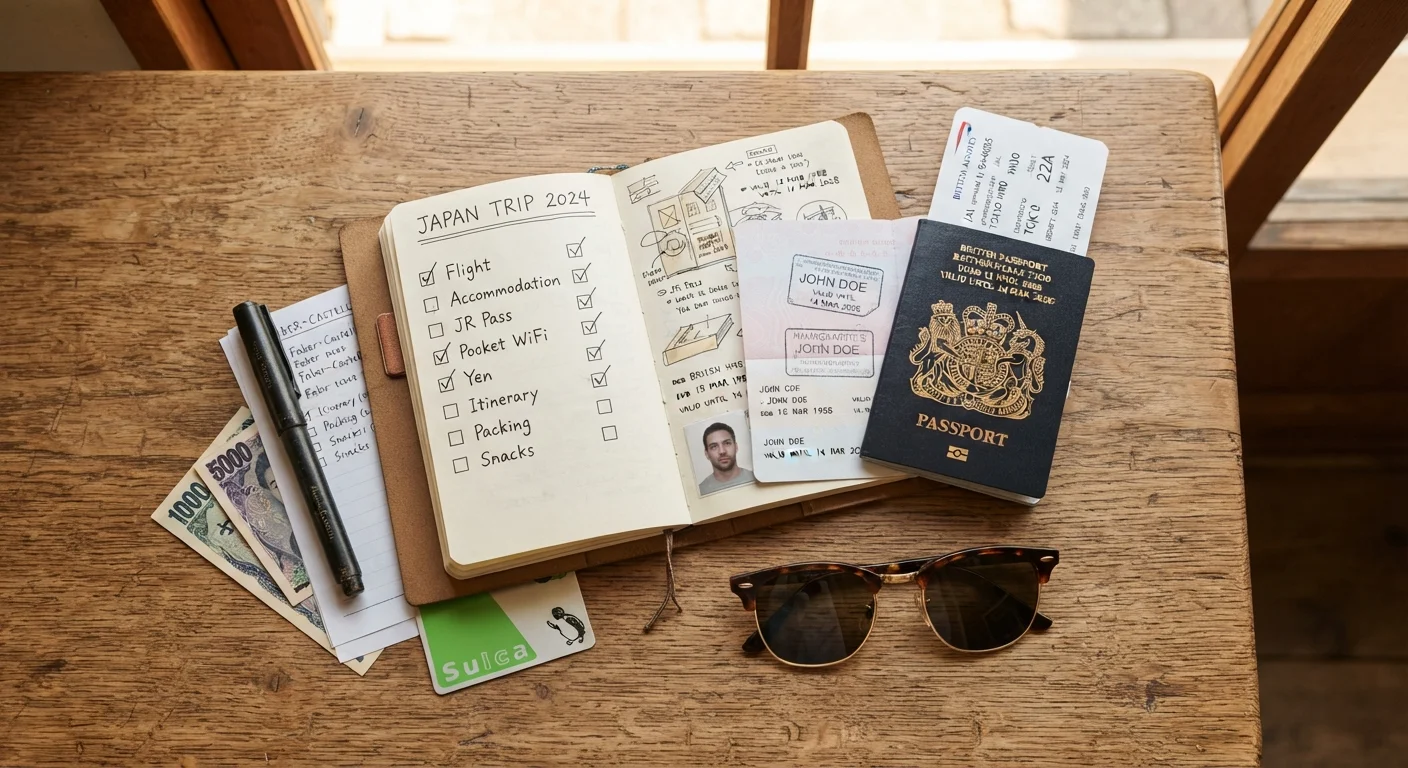
Valuables like jewelry, cash, passports, and fragile electronics should travel in your carry-on. Airlines' liability for lost or damaged checked bags is limited — typically capped around $3,800 for domestic travel under DOT rules — and many high-value items are explicitly excluded from claims. See our pre-trip checklist for a full rundown of what to sort out before leaving home.
Smart Habits That Prevent Fee Surprises
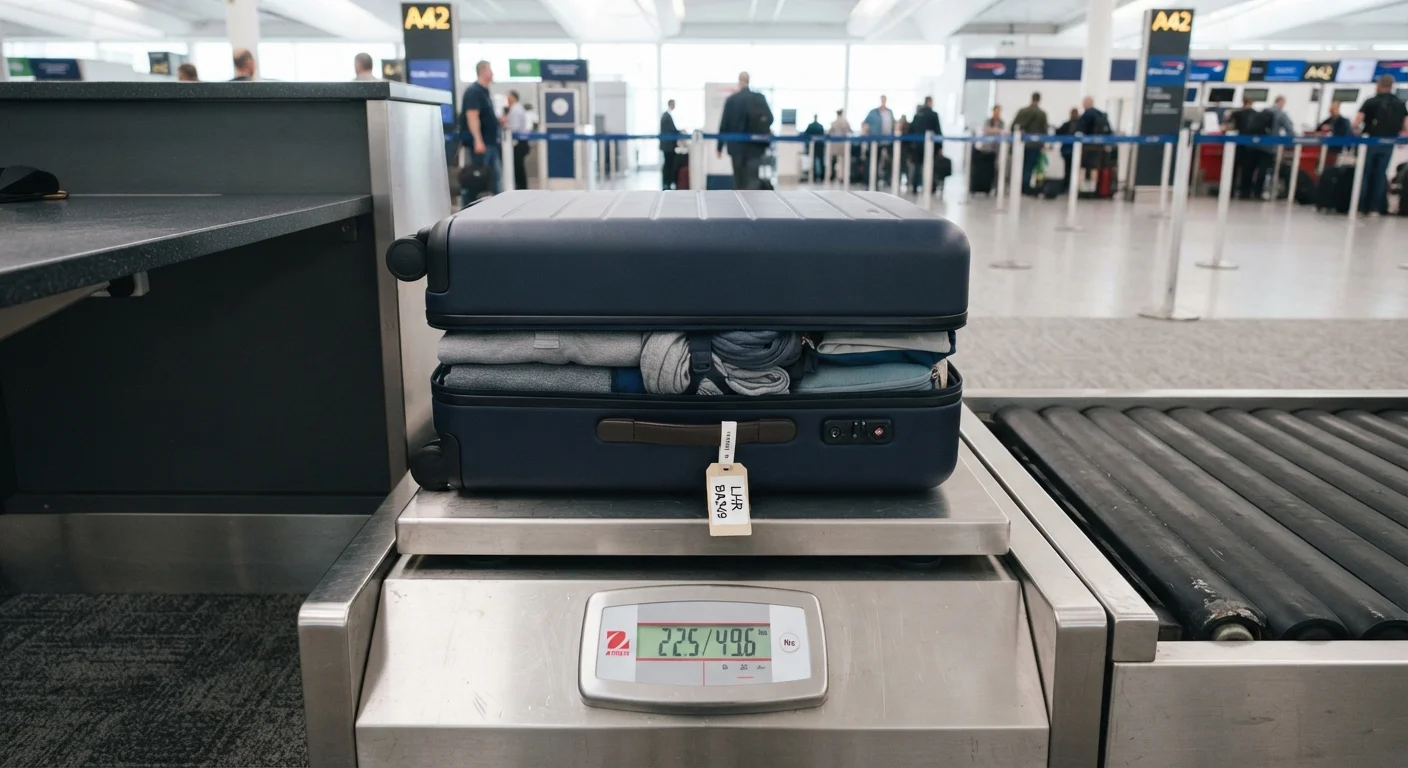
A digital luggage scale costs very little and pays for itself the first time it saves you from a $75 overweight fee at the counter. Weigh your bag at home — packed and ready — rather than guessing. If you're close to the limit, consider shifting heavy items like shoes, books, or toiletry bottles into your carry-on.
Tagging your bag inside and out with your name, phone number, and destination email address takes two minutes and dramatically speeds up recovery if your bag is delayed or misdirected. Hard-sided bags reduce damage risk; a distinctive luggage strap or tag color helps you spot your bag faster on the carousel and reduces the chance someone else accidentally grabs it.
If you're comparing bag strategies, our guide on carry-on packing mistakes covers the flip side — when going carry-on only is smarter and how to make it work.
Linear inches
The sum of a bag's length, width, and height measurements. Airlines use this combined number — not any single dimension — to determine whether a bag meets size limits.
Overweight fee
A surcharge applied when a checked bag exceeds the airline's weight limit, usually starting at 51 pounds for U.S. domestic flights. Fees vary widely by carrier.
Declared firearm
A legally transported unloaded firearm that has been formally disclosed to the airline at check-in, stored in a hard-sided locked case per TSA and airline requirements.
DOT liability cap
The maximum dollar amount a U.S. airline is required to compensate passengers for lost, damaged, or delayed checked baggage under Department of Transportation regulations.