What Protein Actually Does in Your Body
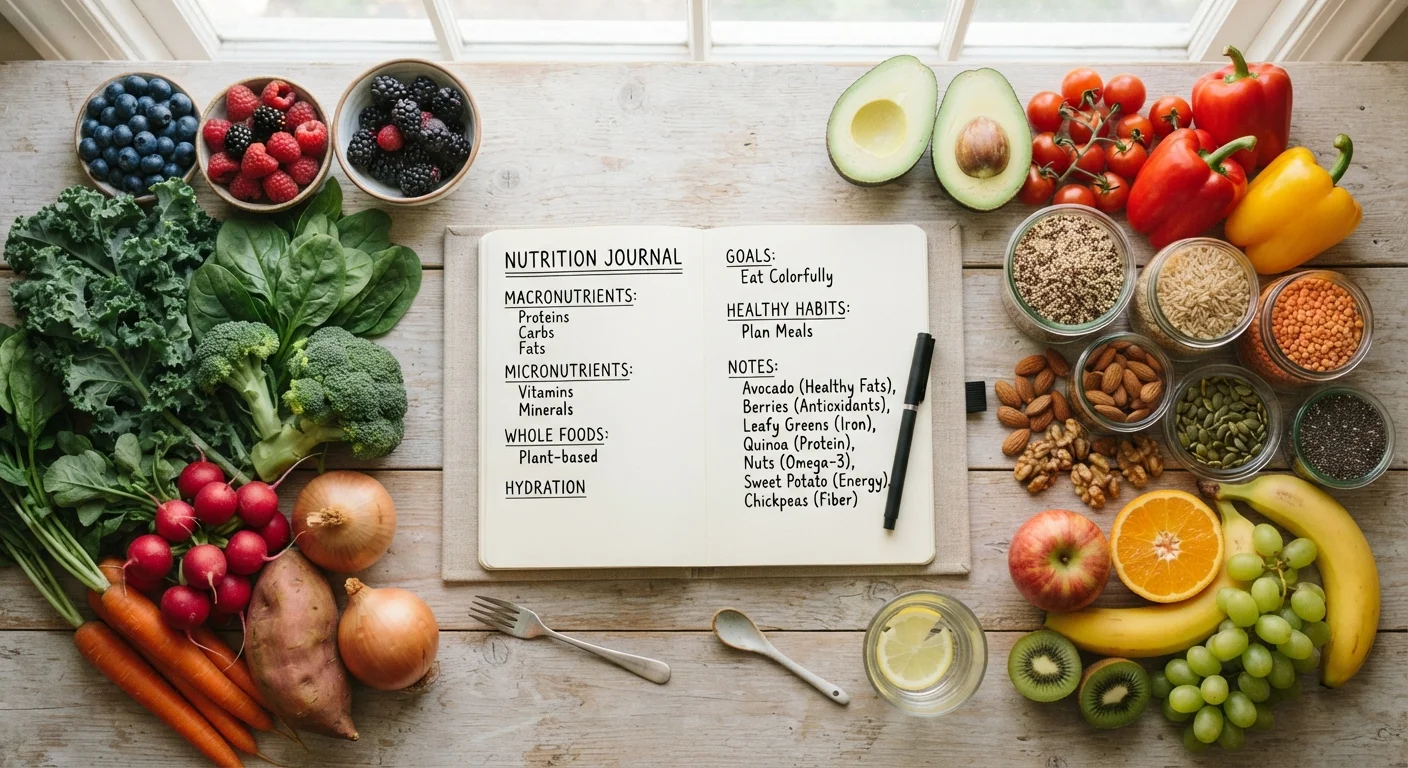
Protein is one of three macronutrients - alongside carbohydrates and fats - that supply your body with energy and the raw materials it needs to function. To understand how it fits into the broader picture, see our guide on macros and micros.
Proteins are made of smaller units called amino acids. Your body links amino acids together to build and repair muscle tissue, produce enzymes (proteins that drive chemical reactions), create hormones, and support immune function. Of the 20 amino acids involved, nine are classified as essential - meaning your body cannot manufacture them and must obtain them through food.
Protein also plays a role in satiety. Research suggests high-protein meals tend to reduce hunger hormones and increase feelings of fullness, which may support overall energy balance - though this is one factor among many in a complex system.
How Much Protein Do You Need?
The Recommended Dietary Allowance (RDA) for protein, established by the National Academies of Sciences, Engineering, and Medicine, is 0.8 grams per kilogram of body weight per day for healthy, sedentary adults. This represents a minimum to prevent deficiency, not necessarily an optimum for every lifestyle.
0.8 g/kg
Standard adult protein RDA per body weight
Set by the National Academies of Sciences, Engineering, and Medicine as the minimum for healthy sedentary adults.
~70%
Americans meeting or exceeding protein RDA
Federal dietary survey data (NHANES) consistently shows most U.S. adults consume adequate protein through their regular diet.
1.2-2.0 g/kg
Protein range often cited for active adults
Sports nutrition researchers and organizations such as the Academy of Nutrition and Dietetics reference this broader range for physically active individuals.
Several factors shift protein requirements upward:
- Physical activity: Endurance athletes and those engaged in resistance training typically require more protein to support muscle repair and adaptation. Research generally supports ranges above the standard RDA for these groups, though the precise amount is still debated.
- Older adults: Muscle mass naturally declines with age - a process called sarcopenia. Evidence suggests older adults benefit from protein intakes modestly above the standard RDA, alongside resistance exercise.
- Pregnancy and lactation: Protein needs increase during these stages. Anyone who is pregnant or nursing should work with a healthcare provider to determine appropriate intake.
It's worth noting that most Americans already consume protein at or above the RDA through their regular diets, according to federal dietary survey data.
This article provides general nutrition information, not personalized medical or dietary advice. Consult a registered dietitian or healthcare provider for guidance specific to your health status and goals.
Animal vs. Plant Protein: What the Evidence Shows
Animal foods - meat, poultry, fish, eggs, and dairy - are often called complete proteins because they contain all nine essential amino acids in proportions your body can readily use. Plant foods such as legumes, grains, nuts, and seeds also provide protein, but most individual plant sources are lower in one or more essential amino acids.
When evaluating plant proteins, focus on the full week's dietary pattern rather than individual meals. Variety across legumes, grains, nuts, and seeds reliably covers all essential amino acids.
Nutrition research consistently shows that dietary patterns - not single foods or meals - are the strongest predictors of nutrient adequacy over time.
If you're older and trying to preserve muscle mass, pairing higher protein intake with resistance exercise two or more times per week amplifies the benefit significantly more than either strategy alone.
Studies on sarcopenia prevention show that the muscle protein synthesis response to dietary protein is blunted without a concurrent exercise stimulus, especially in older adults.
That said, eating a varied plant-based diet throughout the day - for example, combining legumes with grains - provides all essential amino acids without any single meal needing to be a "complete" source. The older idea that complementary proteins must be eaten at the same meal has largely been set aside by nutrition researchers.
Large observational studies have found associations between diets rich in plant protein and reduced risk of certain chronic conditions, though causation is difficult to establish in nutrition research. Both dietary patterns - omnivore and plant-forward - can support good health when they include adequate variety and overall nutrient density. For a broader look at how protein compares to other macros, see our overview on carbohydrates and fats.
Reading Protein on Food Labels
The Nutrition Facts label on packaged foods lists protein in grams per serving. A few things to keep in mind when interpreting this number:
- Serving size matters: The protein figure applies to the listed serving - which may be smaller than what you actually eat. Check the serving size first.
- % Daily Value: The label may list a % Daily Value for protein, based on a general reference intake. This is a rough benchmark, not a target tailored to you.
- Quality vs. quantity: A food high in protein grams isn't necessarily nutritious overall. Ultra-processed foods may list high protein while also containing high sodium, added sugars, or saturated fat.
Whole food sources - such as eggs, legumes, fish, or plain Greek yogurt - tend to provide protein alongside fiber, vitamins, and minerals that packaged or engineered protein products may lack. For gaps that whole foods don't cover, you may want to review the evidence on dietary supplements before reaching for a protein powder.
Common Protein Myths, Addressed
Myth: More protein always means more muscle. Muscle building requires both adequate protein and a consistent resistance training stimulus. Consuming protein well above your needs does not automatically produce additional muscle, and excess protein is metabolized like any other calorie source.
Myth: High protein diets damage healthy kidneys. Current evidence does not support this concern in people with healthy kidney function. However, individuals with existing kidney disease are often advised to moderate protein intake - a decision that should be made with a healthcare provider.
Myth: You can only absorb 30 grams of protein per meal. Research does not confirm a firm absorption ceiling per meal. Larger protein portions may be digested more slowly, but the body does continue processing them. Spreading protein across meals is still a practical approach for supporting muscle protein synthesis throughout the day.
Curious about other nutrients that Americans tend to fall short on? Our article on commonly under-consumed nutrients covers fiber, potassium, vitamin D, and more.
Practical Ways to Meet Your Protein Needs
For most people eating varied diets, hitting adequate protein is straightforward with a few consistent habits:
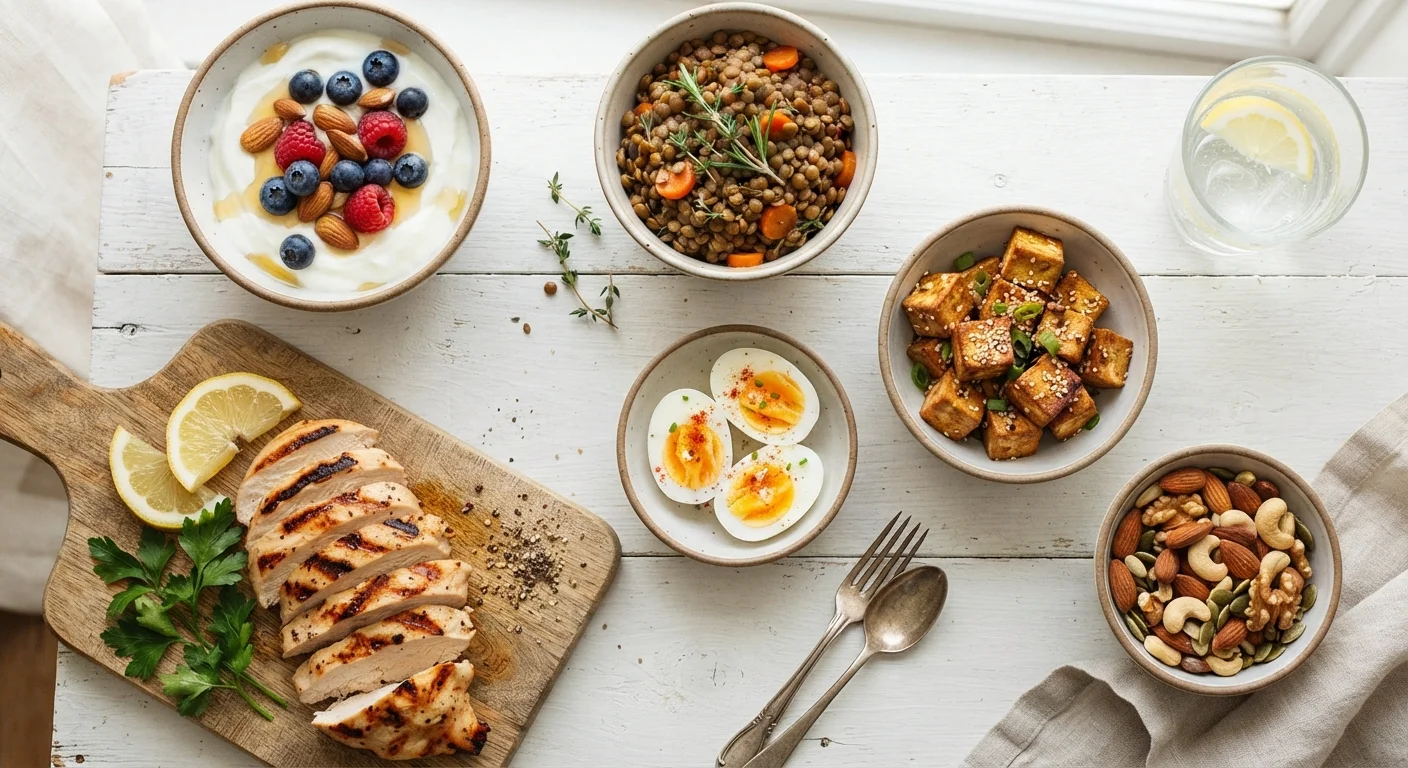
- Include a protein-containing food at each meal - eggs or Greek yogurt at breakfast, legumes or lean meat at lunch, fish or tofu at dinner.
- Use snacks strategically - nuts, edamame, cottage cheese, and hard-boiled eggs all provide meaningful protein between meals.
- Plan around whole foods first. Protein powders and bars can be convenient, but they work best as supplements to a food-first approach, not replacements for it.
- If you follow a plant-based diet, prioritize variety across legumes (beans, lentils, chickpeas), soy foods (tofu, tempeh, edamame), and whole grains to cover your amino acid bases.
Cooking methods matter too - baking, steaming, grilling, or sautéing preserves protein content well, while very high heat over long periods can affect certain amino acids, though not enough to be a practical concern for most home cooking.
This content is for general informational purposes only and does not constitute medical or dietary advice. Always consult a qualified healthcare professional or registered dietitian before making significant changes to your diet, especially if you have a health condition.