Choosing the Right Spot
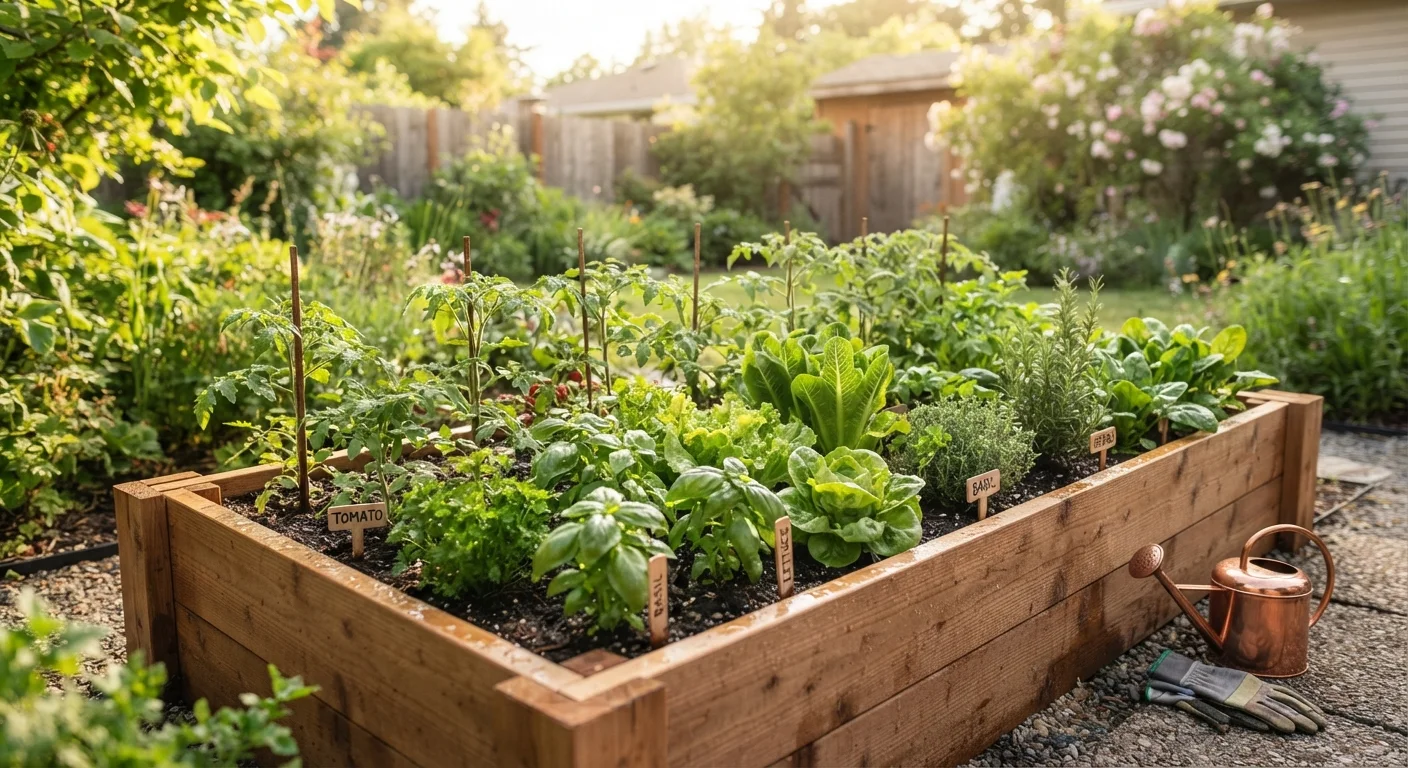
Before you buy a single seed, find the right location. Vegetables are sun-hungry plants, and most varieties need at least six hours of direct sunlight per day to produce a worthwhile harvest. Walk your yard at midday and note which areas stay bright and which fall into shade from trees, fences, or the house itself.
Beyond light, consider these factors:
- Access to water: Choose a spot within reach of a hose or rain barrel. Carrying water across a yard gets discouraging fast.
- Level ground: Flat or gently sloping ground prevents water from running off before it soaks in.
- Proximity to the kitchen: Gardens closer to the house tend to get more attention - and you'll harvest more when stepping outside is convenient.
If your yard offers no sunny ground, container gardening on a south-facing porch or patio is a genuine alternative. Many vegetables grow well in large pots or half-barrels.
Frost date
The average calendar date when your region last experiences freezing temperatures in spring. Planting warm-season crops before this date risks killing them.
Direct sow
Planting seeds directly into garden soil rather than starting them indoors in pots first. Many vegetables prefer this method.
Transplant
A young plant that was started in a container and is then moved into the garden. Buying transplants gives you a head start on the growing season.
Organic matter
Decomposed plant or animal material - such as compost or aged manure - that improves soil structure, drainage, and fertility when mixed in.
Soil pH
A measure of how acidic or alkaline your soil is, on a scale of 1 to 14. Most vegetables prefer a pH between 6.0 and 7.0.
Mulch
A layer of material - straw, wood chips, or shredded leaves - spread on soil to suppress weeds, retain moisture, and regulate soil temperature.
Preparing Your Soil
Healthy soil is the foundation of a productive garden. Most native yard soil benefits from improvement before planting, particularly if it's been compacted by foot traffic or is heavy with clay or sand.
Start by loosening the top 12 inches of soil with a garden fork or spade. Then work in a generous layer of organic matter - aged compost is ideal. Compost improves drainage in clay soils, helps sandy soils retain moisture, and feeds the microbial life that makes nutrients available to plant roots. A 2-to-3-inch layer mixed into the top foot of soil makes a meaningful difference.
If you'd like to make your own compost over time, our guide to composting at home explains how to turn kitchen scraps into a free, high-quality soil amendment.
Most vegetables prefer a soil pH between 6.0 and 7.0. Inexpensive pH test kits are available at garden centers. If your soil is highly acidic or alkaline, your local cooperative extension office can advise on appropriate amendments.
Test Before You Amend
Doing a simple soil pH test before adding amendments saves money and prevents over-correcting. Inexpensive test kits are widely available at garden centers and give results in minutes. Knowing your starting point helps you add only what your soil actually needs.
Deciding What to Grow
For a first garden, the most important rule is: grow what you'll actually eat. There's no point in a bumper crop of eggplant if nobody in your household likes it.
Once you've identified a short list of favorites, cross-reference with difficulty. Some vegetables are reliably beginner-friendly:
- Lettuce and salad greens - fast-growing, harvest in about 30-45 days, and tolerate partial shade better than most.
- Radishes - often ready in 25 days, great for filling gaps between slower crops.
- Bush beans - direct-sow in warm soil, require no staking, and produce steadily.
- Zucchini - prolific producers that are hard to fail with once the soil is warm.
- Cherry tomatoes - more disease-tolerant than large-fruited varieties and quicker to ripen.
Limit your first garden to four or five types. A manageable plot that you tend consistently will always outperform an ambitious one that overwhelms you.
Planting and Spacing
Vegetables can be started from seeds sown directly in the ground or from transplants (young plants started in pots, often sold at garden centers). Transplants give you a head start on the season but cost more. Seeds are economical and work well for crops like beans, carrots, and lettuce that prefer not to be disturbed once rooted.
Follow the spacing instructions on seed packets or plant tags - crowded plants compete for water, light, and nutrients, producing less than well-spaced ones. A common beginner mistake is planting too close together because seedlings look small. That zucchini plant that fits in your palm today will spread three feet in each direction by midsummer.
Plant warm-season crops - tomatoes, peppers, squash - only after your region's last expected frost date. Cool-season crops - lettuce, peas, broccoli - can go in several weeks earlier. When in doubt, your seed packet's planting calendar is a reliable guide.
Watering, Weeding, and Ongoing Care
Vegetables need about one inch of water per week. Rather than watering a little every day, aim for deep, less frequent watering - this encourages roots to grow downward where moisture is more stable. A simple test: push your finger two inches into the soil. If it's dry, water thoroughly. If it's still moist, wait another day.
Weeds compete directly with your vegetables for water and nutrients. Pull them when they're small - young weeds come out easily and haven't yet set seed. A 2-to-3-inch layer of mulch (straw, shredded leaves, or wood chips) around plants suppresses weeds significantly and also helps the soil retain moisture.
Watch your plants regularly. Yellowing leaves, holes in foliage, or wilting despite adequate water are all signals worth investigating. Many common pest and disease problems are manageable when caught early. Your local cooperative extension service offers free, region-specific guidance on identification and solutions.
Cooperative Extension Services Are Free
Every U.S. state has a cooperative extension system run through land-grant universities. These offices provide free, research-based gardening advice tailored to your specific region - including pest identification, planting calendars, and soil testing services. Search for your state's extension service online to find local resources.
Knowing When and How to Harvest
Harvesting at the right time matters as much as growing. Many vegetables taste best before they reach their maximum size, and leaving ripe produce on the plant signals it to slow down or stop producing.
General cues by crop type:
- Lettuce and greens: Harvest outer leaves once plants reach 4-6 inches tall. The center will keep growing.
- Bush beans: Pick when pods are firm and snap cleanly - before seeds bulge visibly inside.
- Zucchini: Best at 6-8 inches long. Larger zucchini become seedy and tough.
- Cherry tomatoes: Harvest when fully colored and slightly soft to gentle pressure. They should release from the stem easily.
Check your garden every two or three days during peak season. Consistent harvesting keeps plants productive and ensures nothing goes to waste on the vine.
Starting a vegetable garden is genuinely one of the most rewarding projects a homeowner can take on. Like building a new exercise habit, the hardest part is simply beginning - and the returns grow season after season as your knowledge and confidence deepen.