
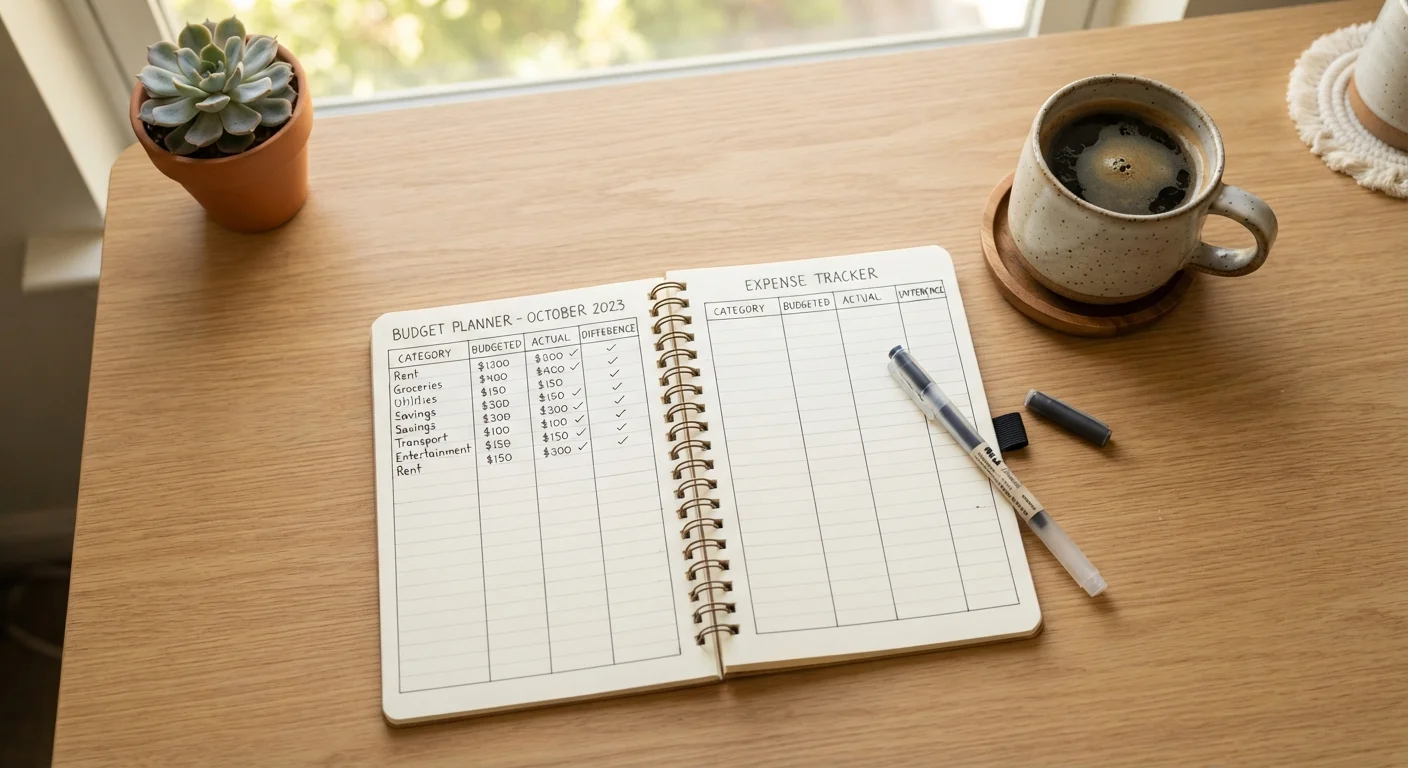
What Makes a Budget Actually Stick
Most people who struggle with budgeting aren't bad with money - they're working with a budget that was never designed to fit their real life. A budget built on rigid rules and perfect numbers tends to collapse the moment an unexpected expense shows up. The ones that last are built on a handful of reliable principles that hold up regardless of which method you use.
If you're just getting started, see our plain-English budget walkthrough before diving into these principles. And if you keep hitting the same wall every month, common budgeting myths may be what's holding you back before you even start.
The principles below aren't tied to any app, spreadsheet, or system. They're the underlying habits and mindset shifts that show up in every budget that holds together over time.
Core Principles That Underpin Every Durable Budget
These practices apply whether you use the 50/30/20 rule, a zero-based budget, or a simple envelope system. Think of them as the foundation - not the budget itself.
Base your budget on take-home pay, not gross income
Gross income is what you earn before taxes and deductions - it's not what you actually spend from. Using the wrong starting number makes every spending category look bigger than it really is, setting you up to overspend from the start.
Treat savings as a fixed expense, not whatever's left over
When savings come last, they rarely happen consistently. Moving even a small, set amount to savings before spending on anything discretionary means you build the habit regardless of how the rest of the month goes.
Budget for irregular expenses in advance
Car registration, holiday gifts, annual subscriptions, and medical co-pays aren't surprises - they're predictable costs you haven't planned for yet. Ignoring them guarantees budget-busting 'emergencies' every few months.
Review your budget at least once a month
A budget you set in January won't reflect your life in July. Regular check-ins let you catch overspending early, adjust categories that no longer make sense, and keep the whole plan connected to your current reality.
Build in a small buffer for personal spending
Budgets that allow zero flexibility tend to feel punishing, which leads people to abandon them entirely. A small, guilt-free spending category gives you room to be human without derailing the whole plan.
Be honest about what you actually spend, not what you wish you spent
Underestimating spending in categories like dining out or entertainment is one of the most common reasons budgets fail. A realistic picture - even an uncomfortable one - is the only kind you can actually work with.
For a closer look at the vocabulary used in budgeting - terms like discretionary spending and net income - the budgeting terms reference is worth bookmarking.
Quick Actions You Can Take Today
You don't need to overhaul your finances in one sitting. A few small, deliberate moves this week can put you on a much steadier path.
~33%
Americans with a written monthly budget
According to Gallup polling, roughly one in three U.S. adults maintains a detailed household budget - meaning most people are navigating spending without a formal plan.
3-6 months
Recommended emergency fund target
Financial planners widely recommend keeping three to six months of essential living expenses in an accessible savings account as a baseline safety net.
Sustainable budgeting is less about discipline and more about design. When your budget is set up to accommodate real life - irregular months, occasional slip-ups, and changing priorities - it doesn't need willpower to survive. It just needs an honest look every so often and a willingness to adjust. That's a standard any beginner can meet. For more on keeping the momentum going past the first few months, see why budgets fail in month two.
This article is for general informational and educational purposes only and does not constitute personalized financial advice. Consider consulting a qualified financial professional for guidance specific to your situation.