Why Retailers Study Your Brain
Modern retail isn't guesswork. Store chains, e-commerce platforms, and brand marketers employ behavioral economists, psychologists, and data scientists to design environments that nudge you toward spending more than you planned. None of this is secret — much of it is documented in consumer behavior research — but most shoppers never encounter it in plain language.
Understanding these tactics won't make you immune to them; our brains respond to many of these cues automatically. What awareness does do is create a small but meaningful pause — enough to ask whether a purchase is deliberate or engineered. For a deeper look at what's happening under the surface, see our piece on the psychology behind impulse buying. The seven tactics below are among the most widely used and well-documented.
The Maze Layout
Large retailers — particularly grocery and big-box stores — place high-demand items like dairy, bread, and eggs at the back or perimeter of the store. To reach them, you walk past dozens of products you didn't come for. Research in retail design consistently shows that increased time in-store correlates with increased unplanned purchases. The more ground you cover, the more you buy.
Counter it: Shop from a specific list organized by store section. Avoid browsing aisles that don't contain items on your list.
Longer paths to essentials expose you to more unplanned temptations — by design.
Charm Pricing
Prices ending in .99 or .95 are not a coincidence. Studies in consumer psychology suggest that the left digit of a price anchors our perception of value — so $4.99 registers closer to $4 than $5, even though the difference is a single cent. This effect is well-documented and widely exploited across both physical and online retail.
Counter it: Round prices up mentally when comparing options. Treat $19.99 as $20. It sounds obvious, but making it a deliberate habit closes the gap.
Your brain reads $9.99 as closer to $9 than $10 — retailers count on that every time.
Anchor Pricing
When a retailer shows a "was $120, now $79" tag, the $120 figure serves as an anchor — a reference point that makes $79 feel like a deal regardless of what the item is actually worth or what you'd otherwise pay for it. Anchoring is one of the most replicated findings in behavioral economics. The original price doesn't have to be real or recent to influence perception.
Counter it: Ignore the "was" price entirely. Ask yourself: is this item worth $79 to me today, independent of any comparison?
The 'original price' on a sale tag shapes your judgment even when it's arbitrary.
The Decoy Effect
When you see three size or tier options — small, medium, and large — the middle option is often priced to make the large seem like obvious value. The middle tier functions as a decoy: it's there not to be chosen, but to reframe your comparison. This technique appears in coffee shops, subscription plans, and streaming services alike.
Counter it: Evaluate each option on its own merits — do you actually need the larger quantity or the premium tier? If not, the decoy is working as intended.
Middle-tier options are often priced to make the largest option look like the smart choice.
Sensory Environment Design
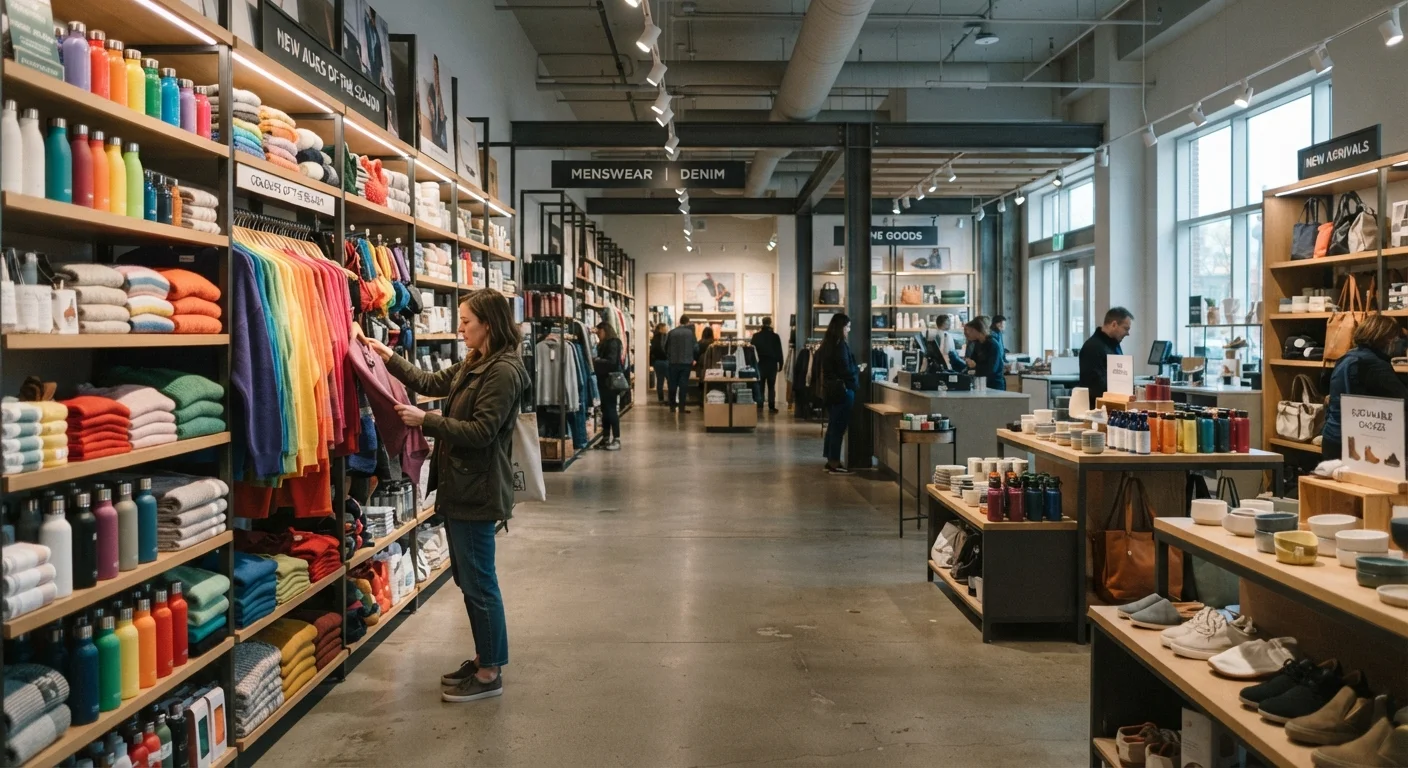
Scent, music tempo, and lighting are all used deliberately in physical retail. Slower music has been linked in research to slower shopping pace and higher spend per visit. Certain ambient scents are associated with comfort and lingering. Warm lighting makes product displays feel more inviting. These aren't accidental aesthetic choices — they're tools.
Counter it: Being aware that these cues exist is genuinely useful. When you notice you're relaxed and lingering, that's worth a brief check: are you still shopping with intention?
Slow music, warm lighting, and ambient scent are calibrated to extend your time in-store.
Social Proof Signals
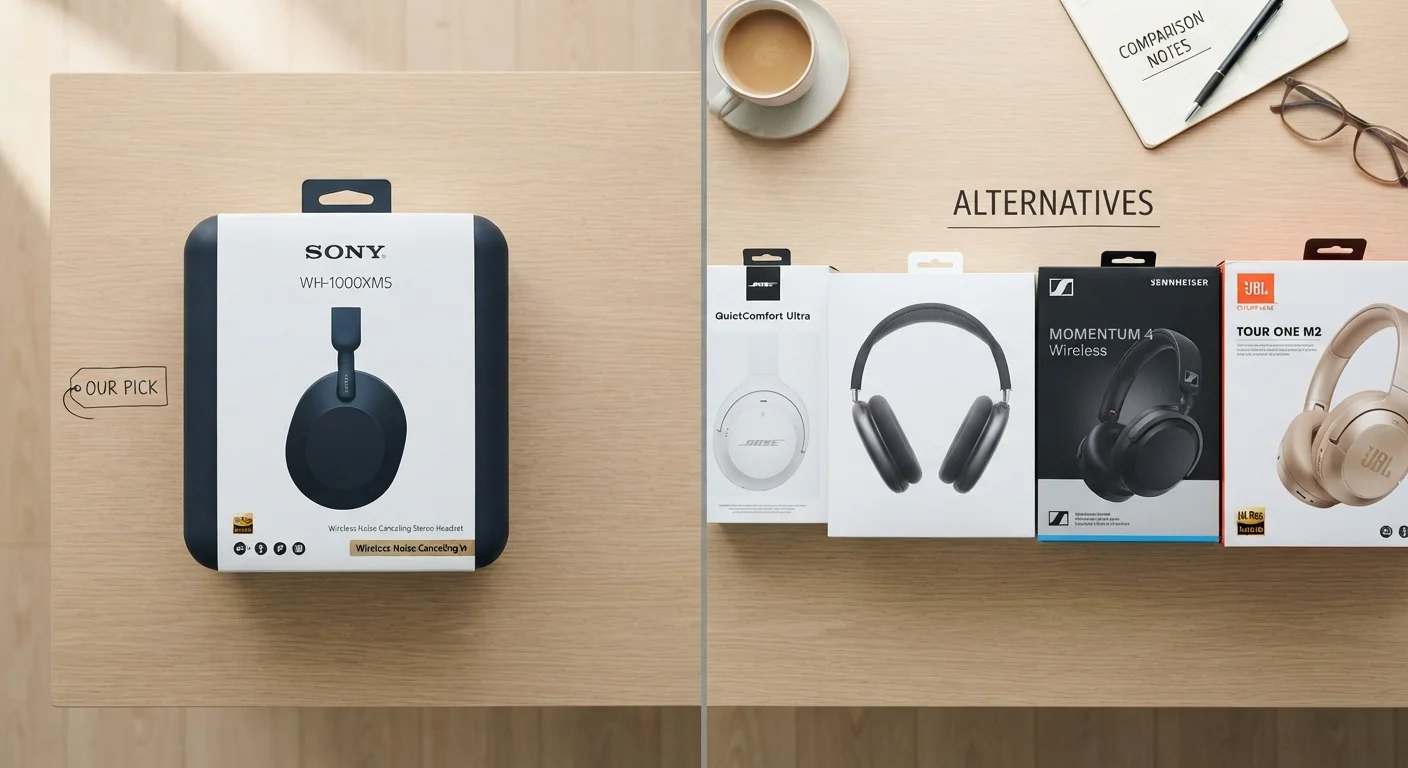
"Bestseller," "Customer Favorite," and star ratings are social proof cues — they imply that many others have validated a choice, reducing your need to evaluate it independently. Online platforms use review counts, purchase notifications, and trending labels to trigger the same effect. Social proof exploits a genuine cognitive shortcut: popular choices often are better, so we learn to use popularity as a proxy for quality.
Counter it: Read a sample of actual reviews for content, not just quantity. A high rating based on few reviews or reviews focused on packaging rather than performance tells you less than it appears to.
"Bestseller" badges shift decision-making from your own judgment to the crowd's — intentionally.
Urgency and Scarcity Cues
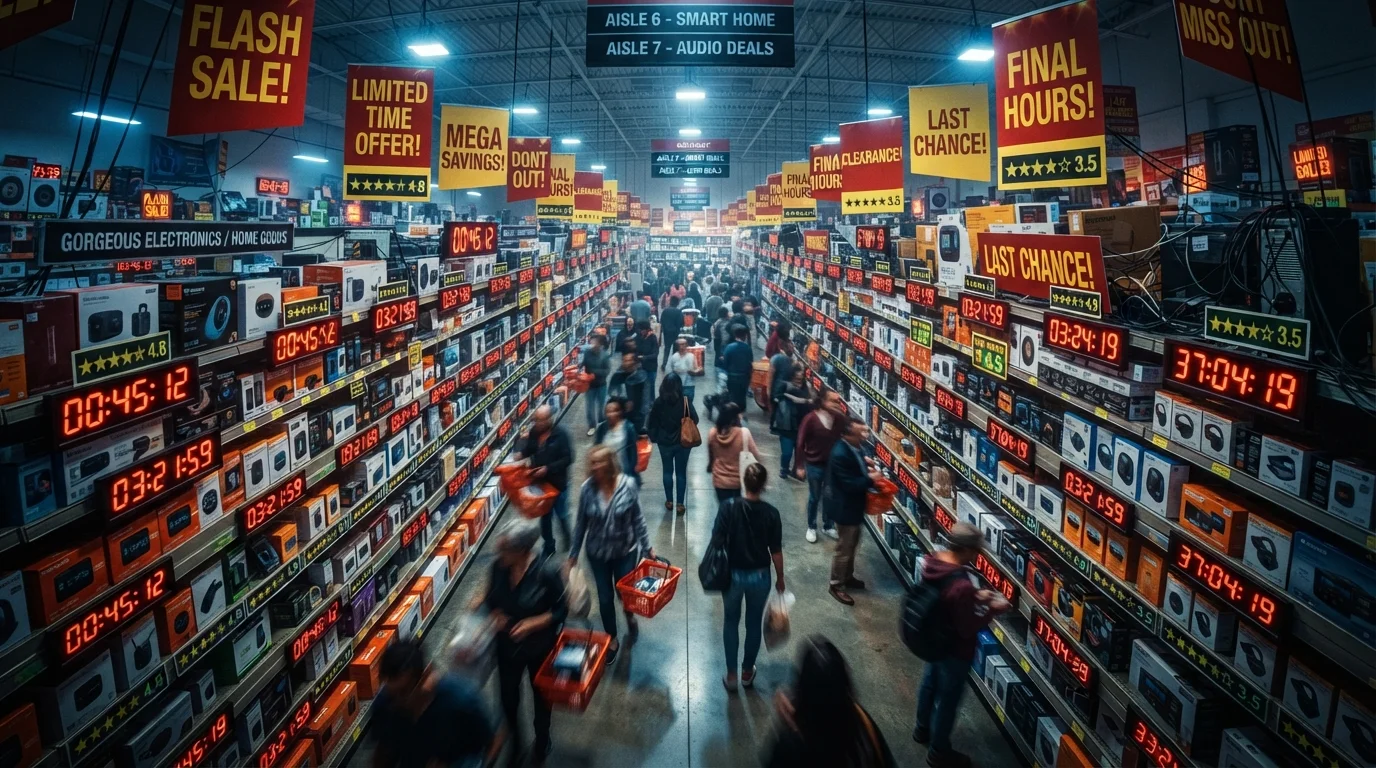
"Only 3 left in stock," countdown timers, and flash sale labels all invoke loss aversion — the well-documented tendency for people to work harder to avoid losing something than to gain something equivalent. Whether the scarcity is real or simulated, the psychological response is similar: slower thinking gives way to faster, more impulsive action. For more on how time pressure distorts shopping decisions, see how time limits and crowds change your decisions.
Counter it: Impose your own pause. If a deal requires an immediate decision, it almost certainly isn't as unique as it appears. Most items are available again — often at comparable or better prices.
Scarcity cues trigger loss aversion, making you act before you've finished thinking.
Shopping With These Tactics in Mind
None of these tactics are illegal or even unusual — they're standard practice across retail environments, from grocery chains to fashion apps. The point isn't to feel manipulated; it's to recognize that retail spaces are not neutral. Every layout decision, price format, and sensory detail has been tested to influence behavior.
The Pre-Shop Commitment Works
Writing down what you need — and a realistic price ceiling for each — before entering any store or opening any app is one of the few habits with consistent support in consumer behavior research. It doesn't eliminate impulse purchases, but it creates a reference point that's harder to ignore at the moment of decision.
A practical counter-strategy is simple: define what you need before you enter any retail environment, set a ceiling for each item, and treat checkout — digital or physical — as a deliberate final review rather than a passive step. For a full framework on buying with intention, the complete guide to smarter spending covers everything from identifying personal triggers to auditing ongoing subscriptions. You can also explore how to evaluate true value when pricing signals are designed to confuse rather than inform.
This article is for general educational purposes only. Individual shopping habits and financial circumstances vary; readers should apply these concepts according to their own judgment and situation.