
What's Happening in Your Brain at the Shelf
When you grab something you didn't plan to buy, it rarely feels impulsive. It feels obvious — like you suddenly realized you needed it. That sensation is the result of several overlapping psychological forces working simultaneously.
First, there's the dopamine anticipation effect. Your brain's reward system activates when you encounter something novel or desirable, flooding you with a mild but real feeling of excitement. This happens before you buy, which means the feeling you're chasing is already fading by the time you reach the register.
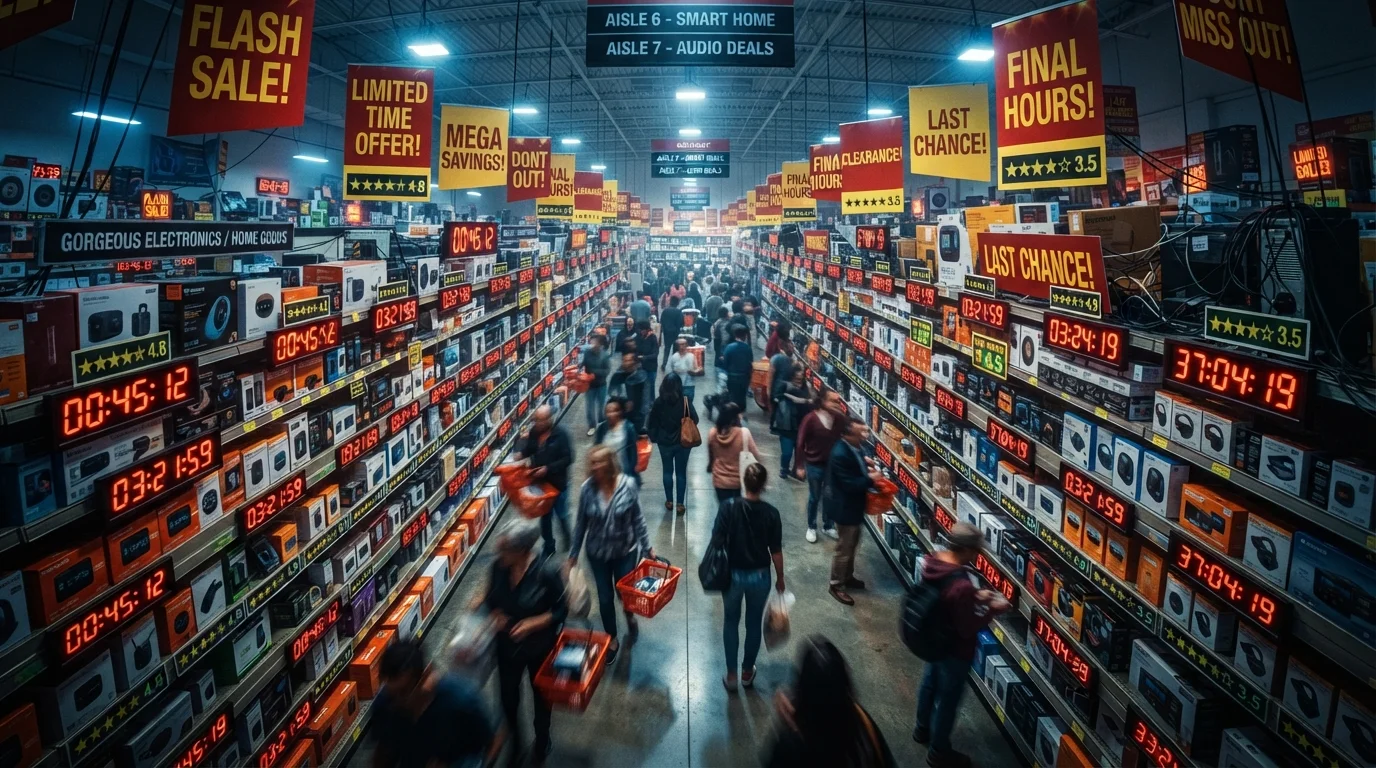
Second, retail environments are engineered to encourage this. Product placement at eye level, checkout-aisle displays, limited-quantity signage, and ambient music tempo are all documented tactics used to compress your decision-making window. The pressure tactics used in busy retail environments work precisely because they reduce the time your rational brain has to push back.
Third, context matters enormously. Hunger, stress, boredom, and even happiness all lower your impulse-control threshold. These aren't excuses — they're documented psychological states that predictably alter spending behavior.
Online Shopping Amplifies These Effects
Digital retail environments are specifically optimized to reduce decision friction. One-click purchasing, personalized recommendations, and artificial scarcity signals (like 'only 3 left') are all designed to move you from impulse to purchase before hesitation can set in. The same psychological principles apply online, but the guardrails are fewer.
The Emotional Engine Behind Unplanned Spending
Impulse buying is rarely about the product. More often, it's a response to how you're feeling. Stress shopping, retail therapy, and celebration splurges all follow the same pattern: an emotional state creates discomfort or excitement, and spending offers a quick, socially acceptable release valve.
Common emotional triggers include boredom, loneliness, anxiety, and the desire for a sense of control during chaotic periods. Recognizing which emotions reliably precede your own unplanned purchases is one of the highest-value habits you can build. The article on identifying your emotional spending triggers breaks this down in more detail.
What makes emotional impulse buying particularly sticky is that it works — briefly. The act of purchasing does provide a short-term mood lift for many people. The problem is that this relief is temporary, and the financial or regret costs that follow can exceed the emotional benefit, creating a cycle that's hard to break without deliberate intervention.
~$5,400
Average annual impulse spending per U.S. consumer
According to a Slickdeals survey, Americans report spending roughly this amount annually on unplanned purchases across categories including food, clothing, and entertainment.
88%
Shoppers who have made an impulse purchase
A widely cited survey by CreditCards.com found the vast majority of Americans acknowledge having made at least one unplanned purchase in the previous three months.
10 minutes
Delay shown to reduce impulse follow-through
Behavioral research has found that even brief mandatory waiting periods significantly reduce the likelihood of completing an unplanned purchase, as initial excitement subsides.
What Actually Interrupts the Impulse
Willpower alone is unreliable. The behavioral science literature consistently shows that people who rely on in-the-moment self-control overspend at higher rates than those who create structural barriers ahead of time. Here's what actually works:
- Time delays: A personal rule to wait before purchasing items above a threshold amount — say, anything over $30 — gives your rational brain time to catch up. Even a 10-minute pause materially reduces follow-through on impulse items.
- Friction by design: Removing saved payment information from apps, leaving cards at home, or using cash for discretionary spending introduces physical steps that interrupt the impulse-to-purchase chain.
- The cost-in-hours framing: Converting a price into hours of work required to earn it changes the psychological valence of the number. A $60 item costs differently when mentally tagged as three hours of effort.
- Pre-commitment lists: Arriving with a written list — and a personal rule that the list is binding — is more effective than vague intentions. Staying on your shopping list when stores are designed to distract you requires specific techniques beyond just writing one.
If you frequently experience buyer's remorse after unplanned purchases, that pattern itself is useful data — it identifies which categories or emotional states are your highest-risk zones.
Try the 10-Minute Rule Before Checkout
When you feel the urge to buy something unplanned, set a 10-minute timer and move away from the item or close the browser tab. If you still want it after the timer ends and it fits your budget, the decision is more likely to be a considered one. Most impulse urges fade significantly within this window.
Building a Long-Term Defense
Stopping impulse purchases isn't about becoming a joyless shopper. It's about making sure your spending reflects your actual priorities rather than whoever designed the aisle you're standing in. The most durable defense is self-knowledge: understanding your triggers, your high-risk environments, and the categories where you consistently overpay without realizing it.
Pair that self-knowledge with a few structural habits — a delay rule, a written list, reduced payment friction — and you have a system that doesn't depend on willpower in the moment. For a broader look at the consumer traps that make this harder, the Avoiding Common Traps hub covers the landscape in full.
The goal isn't perfection. It's building enough of a pause between stimulus and purchase that the decision becomes yours again — not the retailer's.