Why Overpaying Is Rarely About Carelessness
Most shoppers who overpay aren't being reckless — they're responding to environments carefully designed to make higher prices feel reasonable, even justified. Retailers, airlines, and online platforms invest heavily in the psychology of pricing, and their methods work not because consumers are gullible, but because the cues are genuinely difficult to resist in the moment.
Understanding where overpayment consistently happens is more useful than vague advice to "shop smarter." Certain contexts are structurally predisposed to cost you more. The mistakes below aren't personality flaws — they're predictable responses to predictable triggers.
For a deeper look at how urgency and framing work against buyers in high-stakes purchases, see why buyers overpay at the dealership.
Paying captive-audience prices in airports, stadiums, and tourist zones without checking alternatives.
Why it happens: When options feel limited and the clock is running, shoppers default to what's immediately available rather than searching further — even when alternatives exist nearby.
Treating a sale price as a signal of genuine value rather than evaluating the actual cost.
Why it happens: The presence of a crossed-out "original" price creates an anchor that makes the discounted price feel like a deal, regardless of whether the original was ever a real market price.
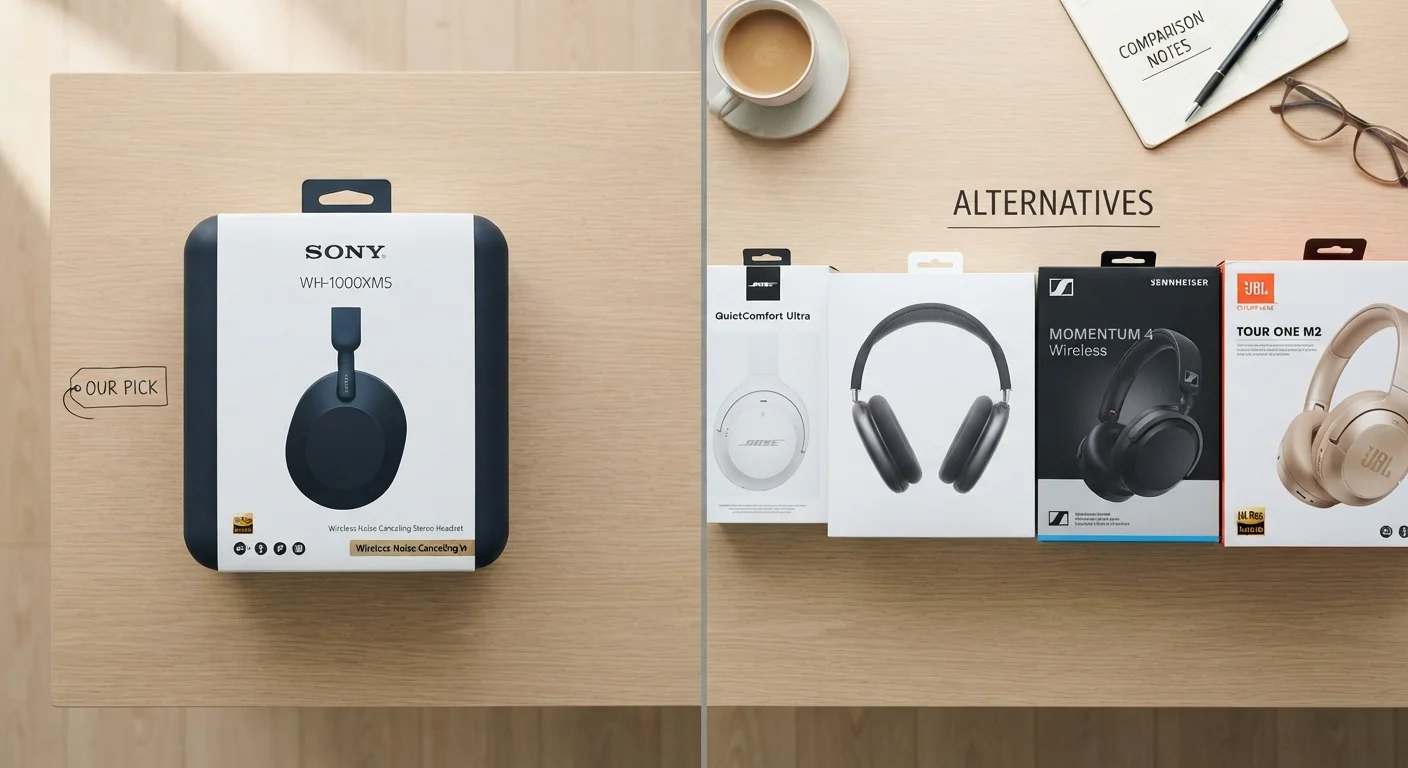
Letting brand familiarity substitute for price comparison on repeat purchases.
Why it happens: Loyalty to a known brand feels like risk reduction, but it often means paying a premium for recognition rather than superior quality. Research on brand loyalty vs. switching shows this gap can be substantial.
Allowing free trial subscriptions to convert to paid plans without active review.
Why it happens: Trials are deliberately structured so that cancellation requires more effort than continuing. Shoppers sign up with good intentions and simply forget — or underestimate how quickly the charge appears.
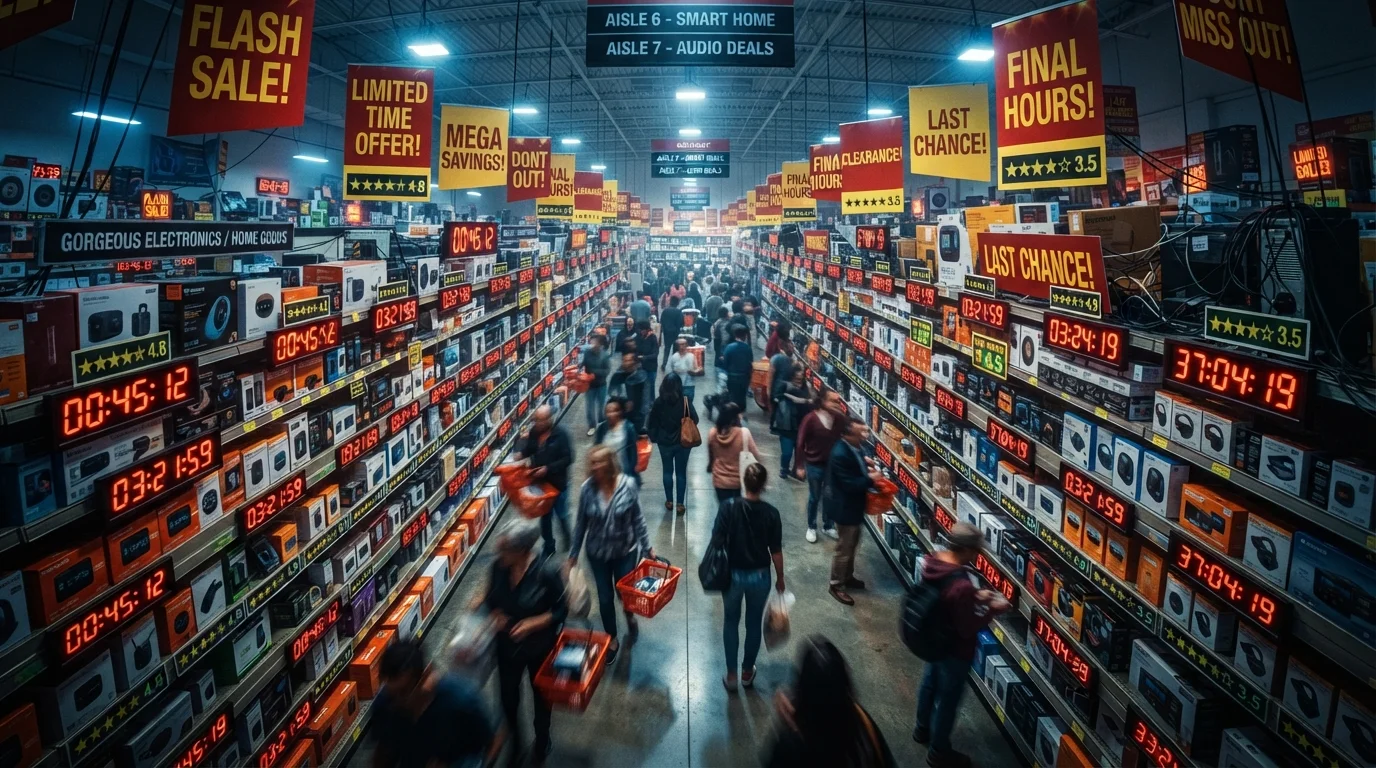
Buying impulsively in response to artificial urgency cues like countdown timers or "only 3 left" labels.
Why it happens: Scarcity and time pressure short-circuit deliberate thinking by triggering a fear of missing out that is disproportionate to the actual stakes of most retail decisions.
Assuming "waiting for a sale" is always the financially optimal strategy.
Why it happens: Shoppers sometimes hold off on purchases indefinitely, chasing a lower price that may not materialize while incurring real costs from delay — such as using a broken appliance or missing a seasonal need.
The Patterns That Keep Reinforcing Overpayment
Knowing the mistake is only half the equation. These tendencies persist because the retail environment actively reinforces them — through store layouts, app design, and promotional language engineered to work faster than deliberate thinking.
60%+
Shoppers influenced by reference pricing
Consumer behavior studies consistently find that a majority of shoppers use the displayed "original" price as their primary benchmark for evaluating a deal, regardless of its accuracy.
$219
Avg. annual cost of forgotten subscriptions
A 2022 survey by C+R Research found that consumers underestimate their monthly subscription spending by roughly $133, adding up to over $200 in untracked charges per year.
"Sale" framing is one of the most durable examples. Research into retail pricing has documented how reference prices — the crossed-out "original" price — heavily influence perceived value even when those reference prices are inflated or rarely charged. Sale prices aren't always what they seem, and the gap between perception and reality can be significant.
Online checkout is another high-risk zone. Pre-checked add-ons, auto-selected shipping tiers, and ambiguous subscription opt-ins are deliberate design choices. Dark patterns in online checkout documents the most common of these tactics and how to identify them before you're charged.
Finally, consider how payment method shapes spending perception. Tapping a card or phone makes a transaction feel less consequential than handling cash — a well-documented effect in consumer behavior research. The real cost of putting it on the card breaks down how this distortion adds up over time.
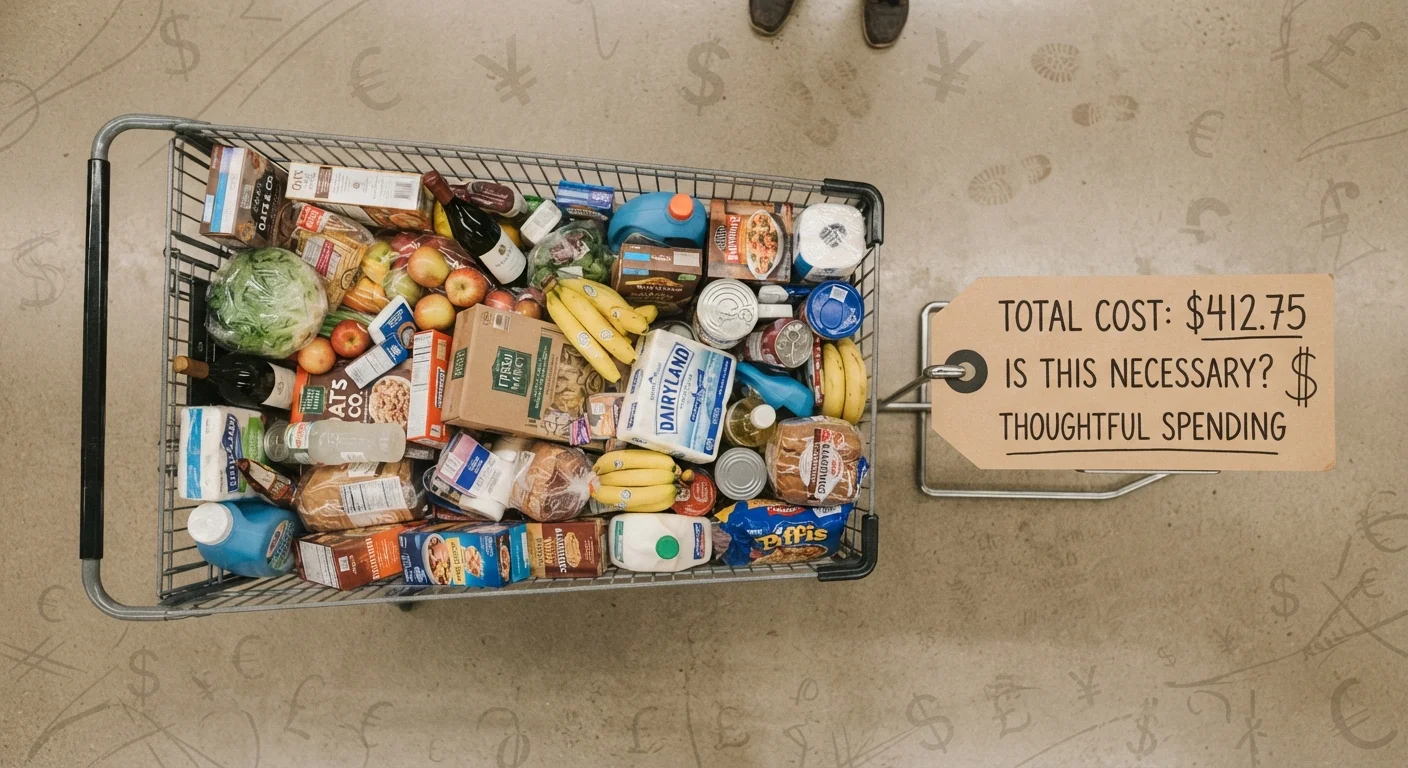
The common thread across all of these patterns: friction reduction. When spending is made effortless, scrutiny drops. The practical countermove is to reintroduce a small amount of friction yourself — pause, compare, and confirm before finalizing any purchase above your personal threshold.
For broader guidance on building habits that resist these pressures, the Smarter Spending Habits hub is a useful starting point.
Convenience Premiums Add Up Quietly
Many of the highest overpayment categories — airport food, hotel minibars, in-app purchases, and same-day delivery — share one feature: they charge for convenience rather than for the product itself. There's nothing wrong with paying for convenience occasionally, but treating it as a default rather than a deliberate choice is where costs accumulate. A rough habit of noting "I'm paying extra for convenience right now" keeps the trade-off visible rather than invisible.