The Crossed-Out Price Is Doing a Job
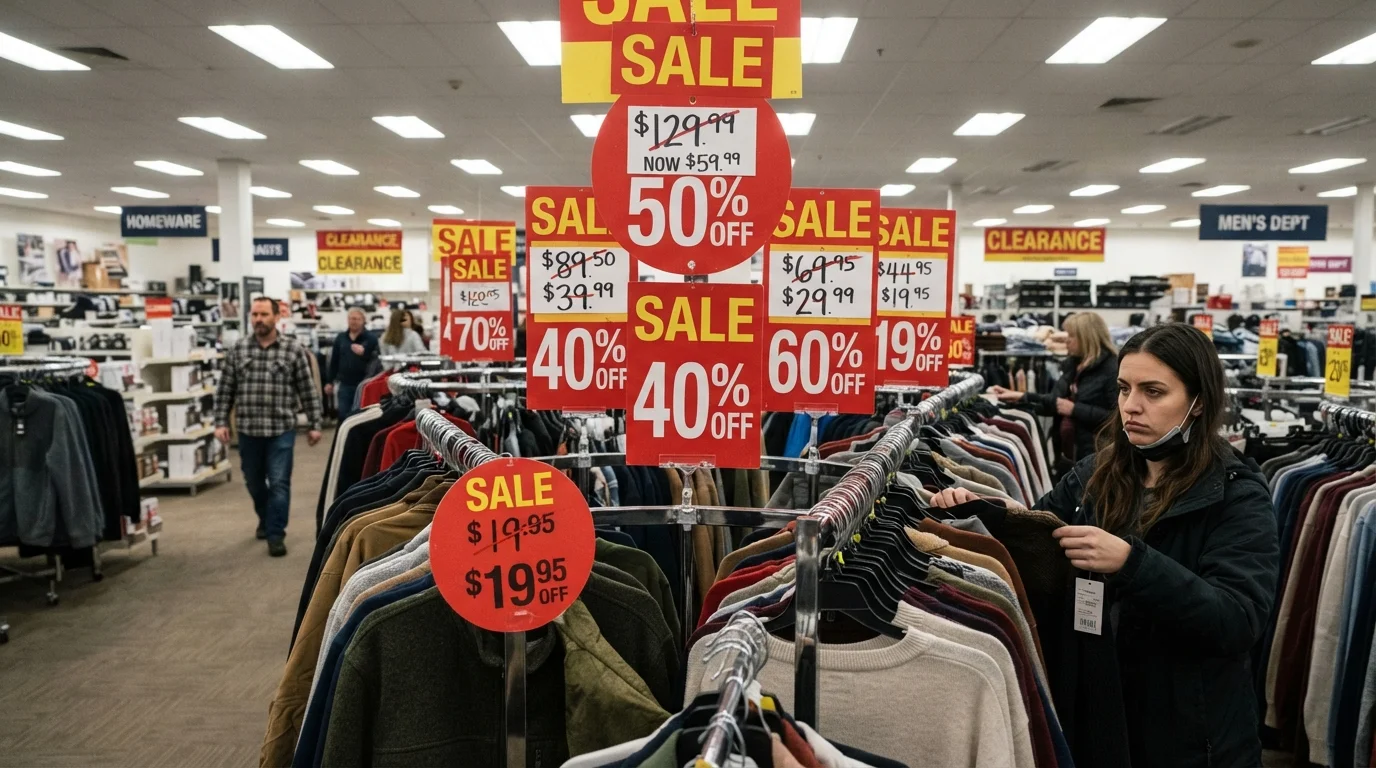
Walk into almost any retail environment and you'll see it: a price tag with a number crossed out and a lower number beneath it. That visual format is not neutral. It's engineered to create a specific feeling — that you're getting something for less than it's worth.
The crossed-out figure is called a reference price (also called a comparison price or anchor price). Its entire function is to make the sale price look attractive by contrast. But here's what most shoppers don't realize: there's often no firm requirement that the reference price reflects what the item actually sold for — at least not in any meaningful volume or for any meaningful duration.
This is the core of price anchoring. The anchor doesn't have to be real to work. Research in consumer psychology has consistently shown that people use the first number they see as a benchmark, even when they're told it may be unreliable. Retailers know this, and retail pricing strategies are built around it.
For a broader look at how psychological pricing shapes your perception before you even compare options, see how retailers use pricing psychology.
How Reference Prices Get Inflated
There are several common methods retailers use to establish a reference price that looks higher than what most customers would reasonably expect to pay.
~60%
Sale items not at lowest price on major shopping days
Price-tracking analyses of major U.S. retail events have found that a substantial portion of promoted sale items are not at their historical lowest price on the day of the sale.
7–10×
Anchoring effect on willingness to pay
Studies in behavioral economics have shown that arbitrary high anchor numbers can significantly shift the price consumers consider reasonable, sometimes by multiples of the actual fair value.
- Brief introductory pricing: An item is listed at a high price for a short window — sometimes just days — then immediately put on "sale." Technically the item sold at the higher price, but almost no one bought it there.
- Manufacturer's Suggested Retail Price (MSRP): Retailers sometimes use MSRP as the reference price even when no one in the market actually charges that amount. MSRP is a suggestion, not a market rate.
- "Compare at" language: Rather than citing the store's own previous price, a tag might reference what a competitor charges. This opens the door to cherry-picked comparisons that favor the retailer's narrative.
- Outlet and off-price framing: Outlet stores often display a "retail" price alongside the outlet price, implying significant savings. In many cases, items were manufactured specifically for the outlet channel and never priced or sold at the stated retail figure.
Understanding these mechanics helps you evaluate whether a markdown is real. For a deeper dive, learn when markdowns are real and when they're theater.
Why Urgency Makes Anchoring More Effective
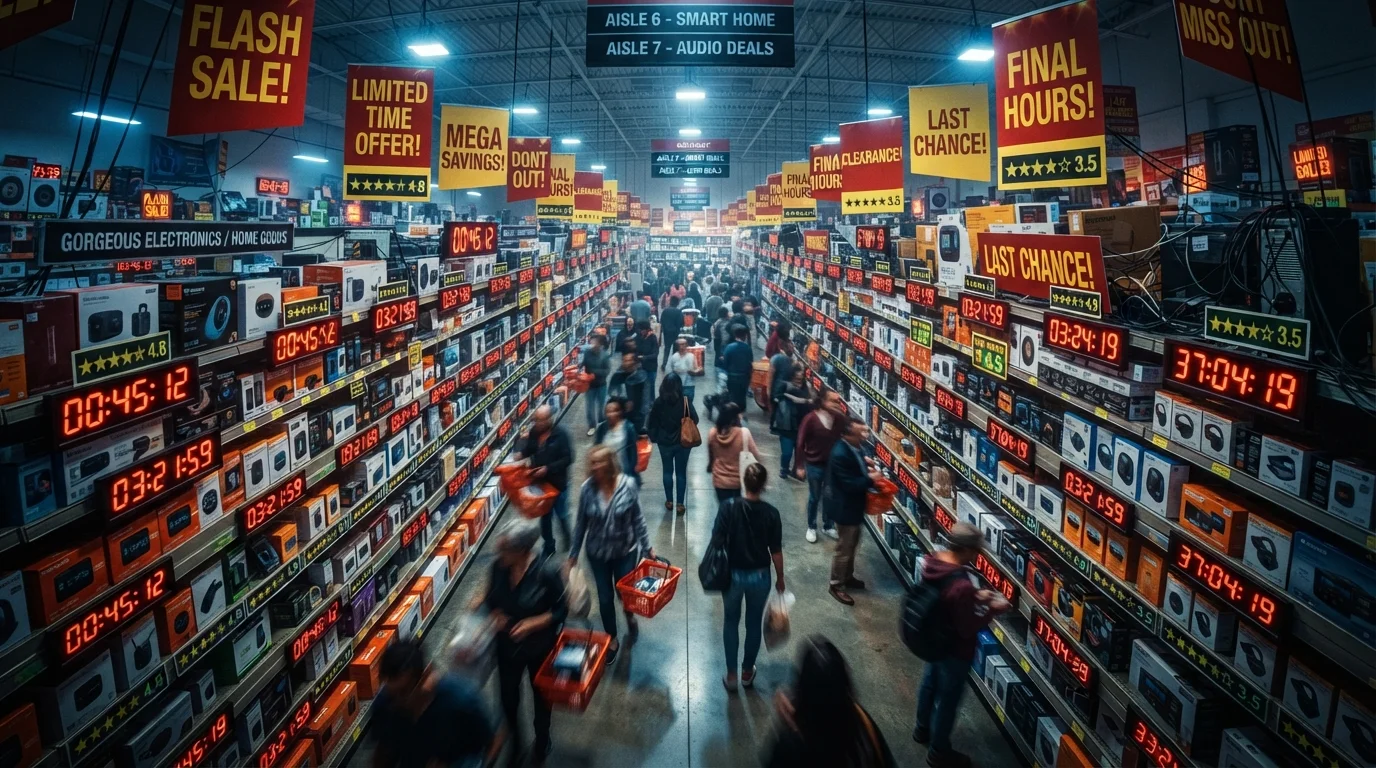
Price anchoring rarely works alone. It's typically paired with urgency signals — countdown timers, "limited stock" warnings, and short-window sale dates — that discourage comparison shopping. When you feel time pressure, you're less likely to pause and question whether the anchor price is legitimate.
Check Price History Before Any Major Purchase
Free browser extensions for major e-commerce platforms display a graph of an item's price over the past 90 days or longer. Before accepting a sale price at face value, spend 60 seconds checking whether the "original" price was ever the actual going rate. This single habit eliminates most of the anchoring effect.
This combination is particularly effective during major retail events. Price-tracking analyses have found that a meaningful share of items promoted as deeply discounted during major shopping events were either not at their lowest historical price, or had been briefly marked up beforehand. The sale is real; the savings are often smaller than they appear.
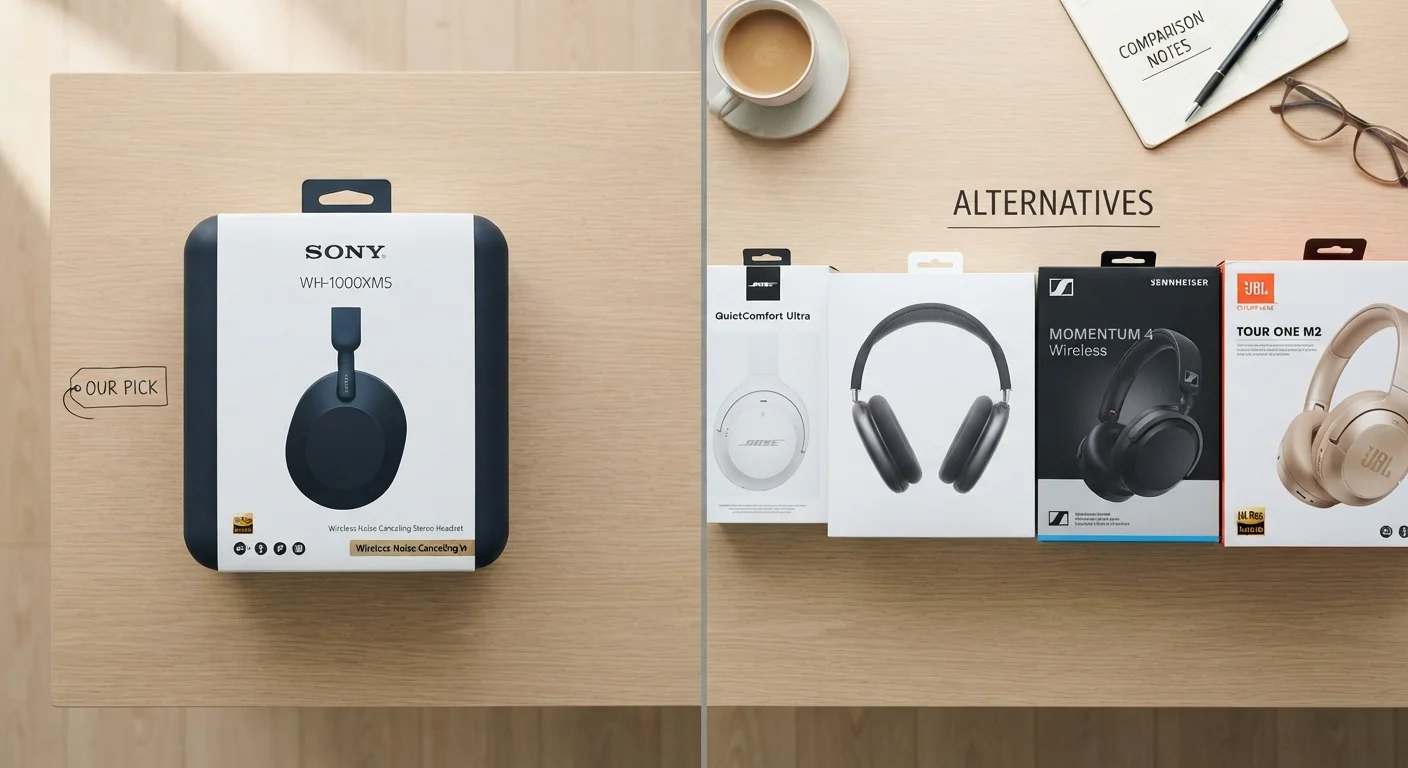
Urgency also interacts with a separate but related tactic: the decoy option. Decoy pricing steers you toward pricier choices by making one option look like the obvious middle ground — a strategy that compounds the anchoring effect when both appear on the same page or shelf.
What You Can Actually Do About It
Skepticism is a start, but it's not a strategy. Here are practical steps that change how you evaluate any sale price:
- Check price history before you buy online. Browser extensions and dedicated price-tracking sites log historical pricing data for major e-commerce platforms, letting you see whether the "original" price was ever the norm.
- Search the model number, not the product name. Retailers sometimes give items exclusive model numbers to prevent direct price comparisons. When a model number is available, search it across multiple sites to find comparable listings.
- Ignore the percentage, focus on the dollar amount. A 60% discount on an inflated anchor might cost more than a 10% discount on a fair regular price. Compare final prices across sources, not discount percentages.
- Give urgency language zero weight. "Today only" and "only 3 left" are marketing signals, not facts you should let drive a purchase decision. Most products can be bought again later.
For a structured process, see how to verify a deal is actually a deal before committing your money. And if you're weighing whether to buy now or wait, the real trade-off between paying full price and waiting for a sale is worth understanding first.