Why We Stay Loyal (and Why It's Not Always Rational)
Brand loyalty isn't simply a preference — it's a behavior deeply shaped by psychology. Consumers tend to default to familiar options because repetition reduces cognitive effort. Once a purchase becomes habitual, the brain essentially bypasses active evaluation. Researchers call this automaticity: the brain treats a familiar choice as a shortcut that doesn't require deliberate thought.
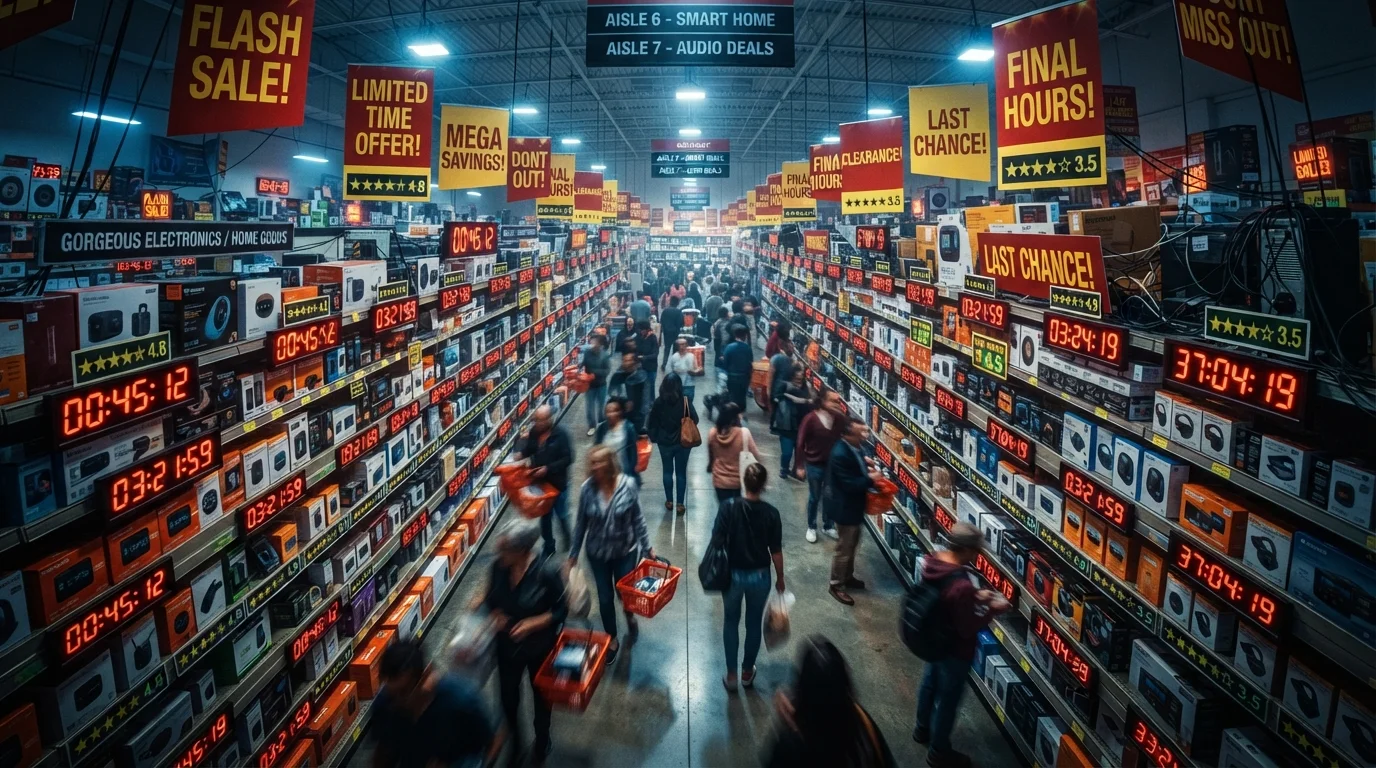
Marketing reinforces this. Consistent packaging, jingles, and store placement all work to make a brand feel like the obvious choice — before you've even consciously considered alternatives. The result is that many shoppers mistake familiarity for quality. As consumer behavior researchers have documented, perceived trust in a brand often reflects exposure frequency more than actual product performance.
This is worth understanding because it means loyalty is frequently manufactured, not earned. That's not an argument against ever being loyal — but it is an argument for examining why you're loyal before you assume the habit is serving you. For a closer look at how retailers engineer these automatic responses, see how persuasion tactics shape your decisions.
What Informed Switching Actually Involves
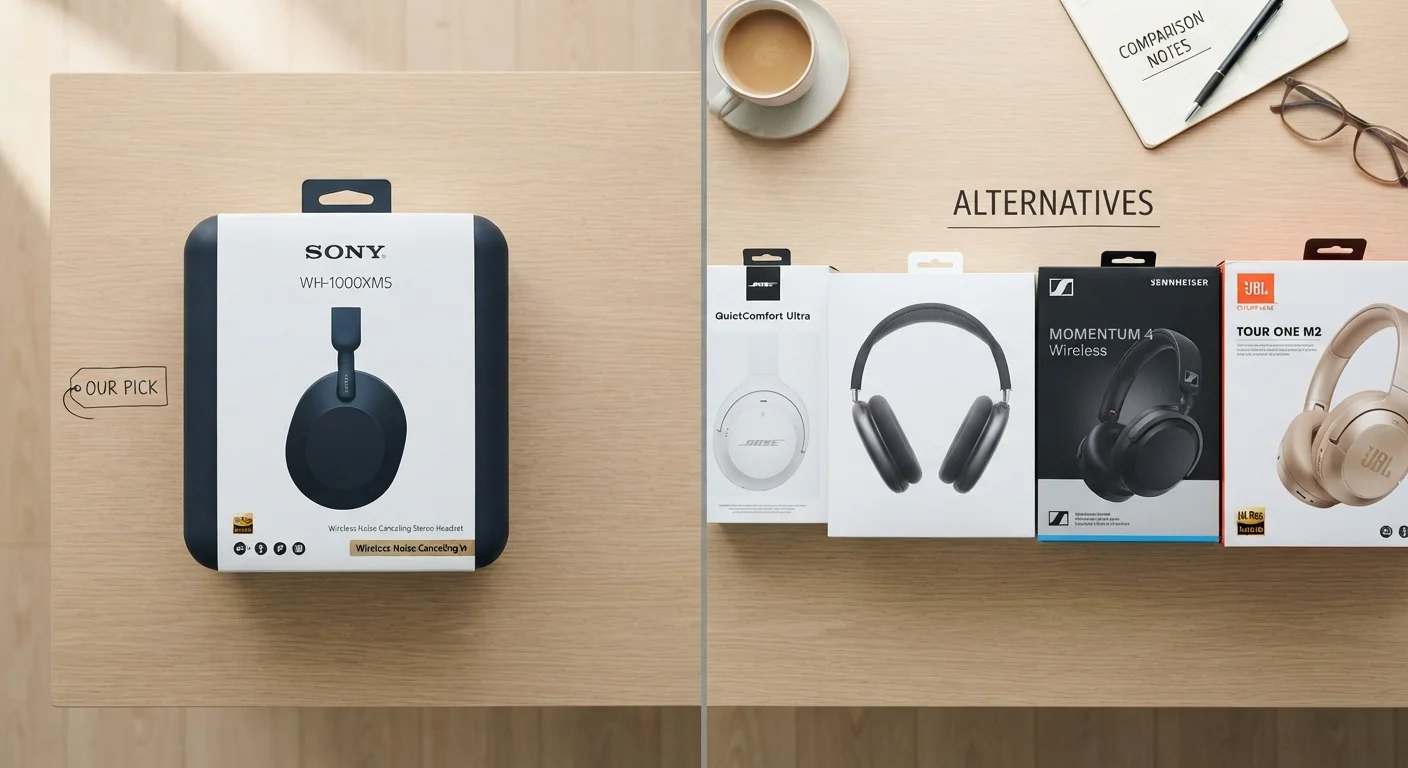
Informed switching doesn't mean restlessly changing brands on every shopping trip. It means periodically asking a straightforward question: Is what I'm buying still the most reasonable choice given what's available?
In practice, this looks like checking ingredient lists, unit prices, and third-party reviews before repurchasing in categories where you spend regularly. It's the difference between instinctive repeat-buying and a conscious decision that happens to result in the same purchase.
| Criterion | Brand Loyalty | Informed Switching |
|---|---|---|
| Time required per purchase | Minimal — automatic repeat | Moderate — requires comparison |
| Cost outcome | Often higher over time | Often lower or equal |
| Decision fatigue | Low | Moderate |
| Risk of overpaying | Higher in commodity categories | Lower when comparison is done |
| Suitability for high-variance categories | Can be justified if tested | Highly suitable |
| Driven by | Habit, familiarity, marketing | Research, price, performance data |
The key variable is switching cost — the time, money, or risk involved in trying something different. In low-switching-cost categories (paper towels, dish soap, canned goods), informed switching is almost always worth at least a trial. In high-switching-cost categories (software, prescription skincare, specialized equipment), the calculation is more nuanced. Understanding how to read product labels without being misled by front-of-package claims is a practical starting skill — see our guide on reading a product label without getting fooled.
What the Research Reveals About Repeat Buying
Consumer research consistently finds a gap between perceived and actual brand differentiation. Studies in behavioral economics suggest that in many packaged goods categories, consumers cannot reliably identify their preferred brand in blind taste or use tests — yet continue paying a loyalty premium in real purchases.
~50%
Consumers who can't identify their brand in blind tests
Multiple consumer behavior studies suggest roughly half of self-identified brand loyalists cannot distinguish their preferred product from alternatives in blinded product trials.
2–3x
Price premium loyal buyers commonly pay
Research in packaged consumer goods has found loyal shoppers frequently pay a meaningful premium over store or competing brands without measurable quality justification.
60%+
Repeat purchases driven by habit, not active choice
Studies in consumer decision-making estimate the majority of routine repurchases are habitual rather than the result of deliberate evaluation at the point of purchase.
A separate pattern the research highlights: loyal customers are often less price-sensitive than comparison shoppers, making them a profitable segment for brands to cultivate — and an expensive habit for consumers to maintain uncritically. This dynamic is especially visible in loyalty program design, where rewards structures often encourage higher spending rather than smarter spending. Our breakdown of loyalty program trade-offs covers this in detail.
None of this means brand loyalty is irrational across the board. In categories with genuine quality variance — where a known brand has consistently delivered and alternatives are poorly rated — loyalty is a reasonable, well-founded heuristic. The problem is applying loyalty-as-heuristic equally across all categories without adjusting for how much actual variation exists.
Building a Smarter Default Habit
The most practical takeaway isn't to switch constantly — it's to stop treating loyalty as the automatic default and start treating it as one option among several. A simple approach: divide your regular purchases into categories by switching cost and quality variance. For low-variance, low-cost categories, set a personal rule to compare unit prices and ingredients at least once or twice a year. For high-variance categories, keep notes on what actually performed well.
This light-touch audit habit sidesteps the main trap: overpaying in categories where it keeps happening without realizing it. You don't need to become a relentless bargain-hunter — you just need enough information to confirm your loyalty is paying off, not just paying out. Building these habits fits naturally into a broader framework of smarter spending habits that compound over time.
When Loyalty Actually Makes Sense
Loyalty isn't inherently a mistake — it's a misapplied heuristic when used indiscriminately. In categories with proven personal fit, high switching costs, or genuine quality variance, sticking with a known option is a rational, time-efficient decision. The goal isn't to switch constantly; it's to make loyalty a conscious choice rather than a default you never revisited.