Why Sticker Price Misleads You
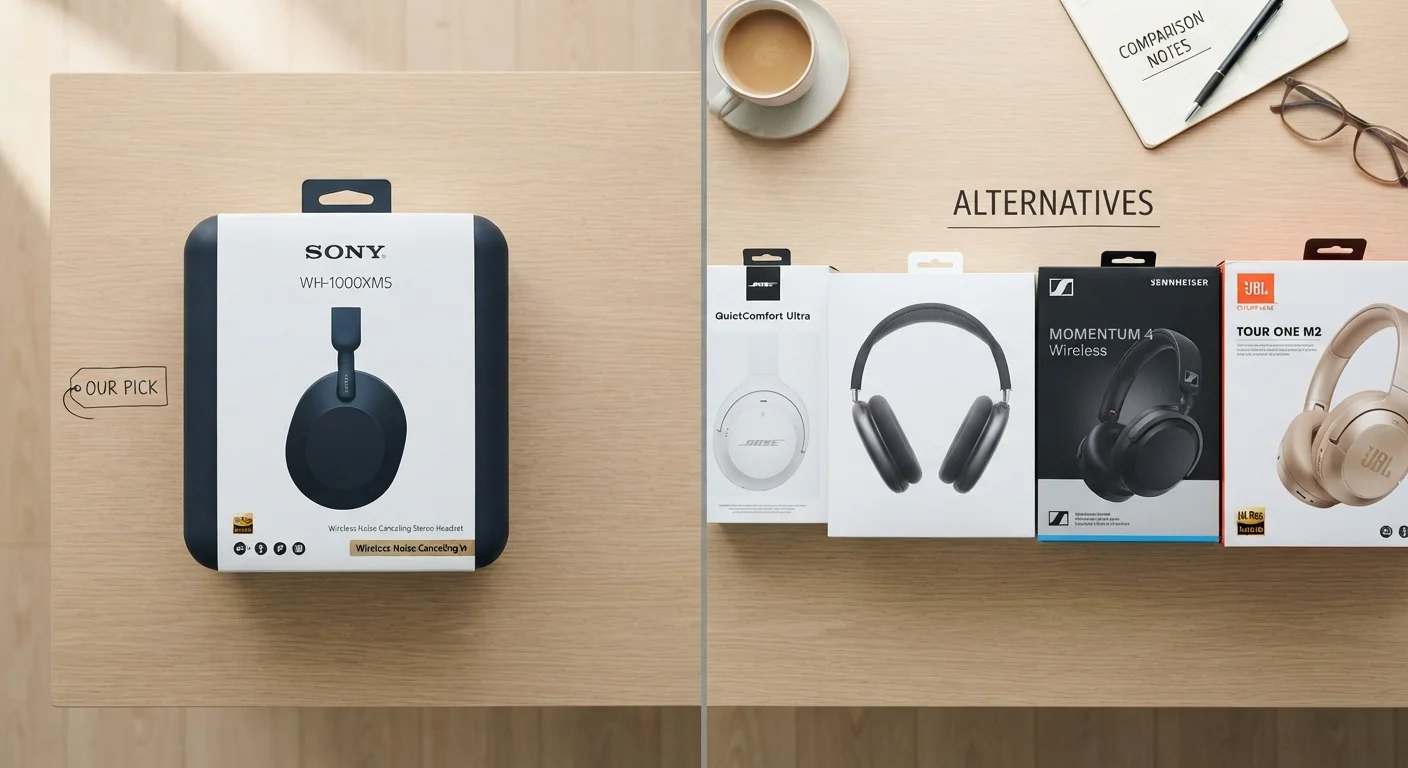
When two items sit side by side on a shelf — one at $30 and one at $120 — most people's brains anchor immediately to the price gap. The $30 option feels like the smarter choice before a single other variable is considered. This is price anchoring, and retailers count on it.
Cost per use breaks that anchor. Instead of comparing what something costs now, it forces you to ask what it costs each time you use it. That single shift in perspective routinely flips the apparent winner.
Consider a $30 set of kitchen knives that dulls within a year and gets replaced versus a $120 set that stays sharp for a decade of daily cooking. The cheap knives cost roughly $0.08 per use (assuming 365 uses per year). The expensive set, used the same way, costs around $0.03 per use. The pricier item is more than twice as economical.
This kind of thinking fits neatly into a broader deliberate spending practice — something the complete guide to buying with intention covers in depth. Cost per use is one of the clearest, most actionable tools within that framework.
What You Need Before You Calculate
The math itself takes seconds. The preparation is where accuracy lives.
What you will need
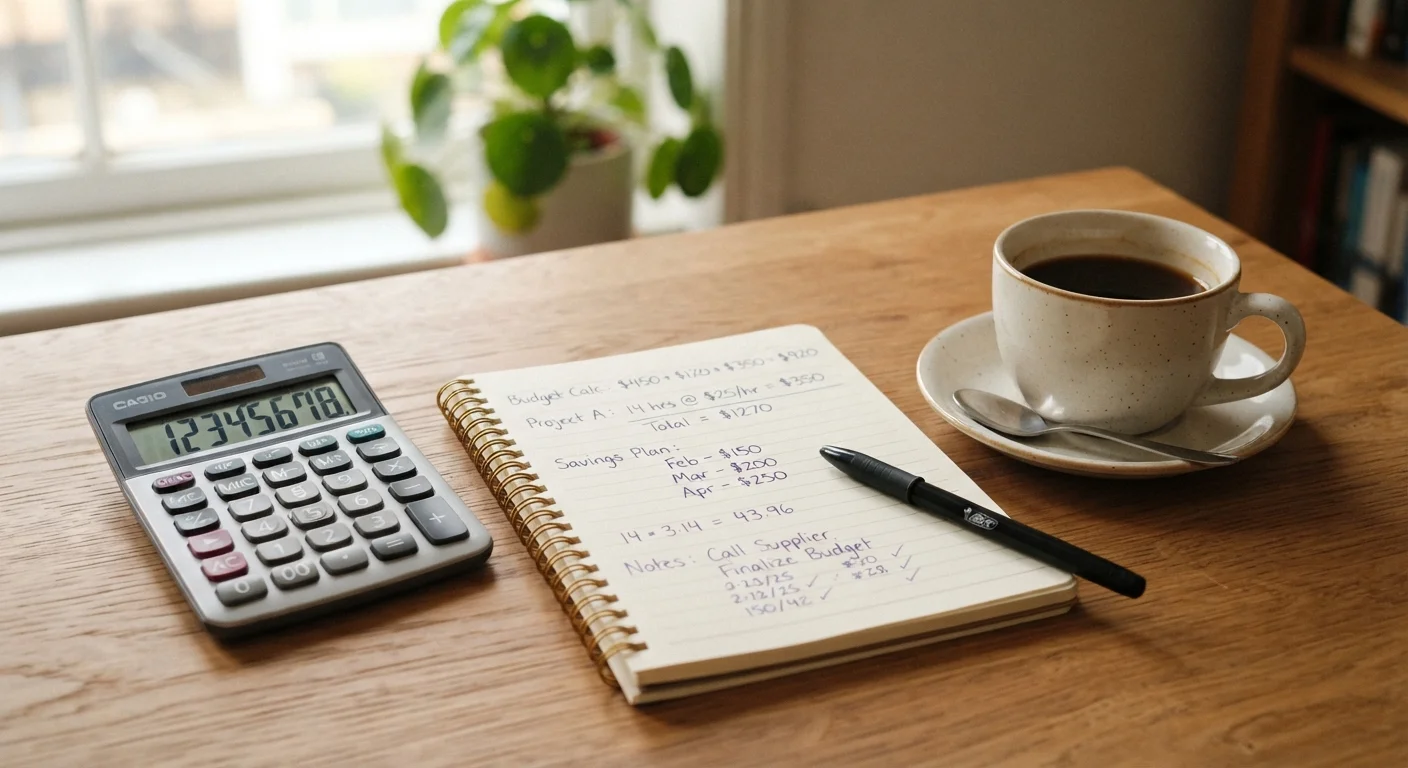
Calculator (phone or physical)
Perform the division quickly — total cost divided by expected uses.
Notepad or spreadsheet
Record cost variables and compare two or three options side by side.
How to Apply the Formula Step by Step
Follow these steps for any purchase where value is genuinely in question — clothing, appliances, tools, fitness equipment, vehicles, or anything else that involves a meaningful spend.
Establish the true total cost
Start with the purchase price, then add any costs the sticker doesn't show:
- Accessories or attachments required to make the item functional
- Maintenance costs over the item's expected life (filters, blades, batteries, servicing)
- Storage or installation costs if applicable
- Subtract expected resale value if you're likely to sell the item later — this lowers your net cost
For vehicles especially, depreciation is a major hidden cost. The vehicle depreciation guide explains how quickly cars lose value and how to factor that into the real cost of ownership.
Estimate realistic uses — honestly
This is where most cost-per-use calculations go wrong. People estimate based on intention, not behavior.
Use these anchoring questions to get to a realistic number:
- How often do you currently use something similar that you already own?
- What would need to change in your daily routine for this item to get used as frequently as you're imagining?
- Have you bought similar items before and used them less than expected?
If you're estimating you'll use a piece of exercise equipment 200 times a year but you currently exercise twice a week, that's 104 times — use that figure, not the optimistic one. Then multiply by the realistic number of years you'll own it.
Run the calculation
The formula is straightforward:
Cost Per Use = Total Cost ÷ Expected Number of Uses
Example: A $200 blender used 5 times per week for 5 years = 1,300 uses.
$200 ÷ 1,300 = $0.15 per use.
A $60 blender used twice a week for 18 months before it breaks = 156 uses.
$60 ÷ 156 = $0.38 per use — more than twice the cost per use of the pricier model.
Set a threshold that makes sense for your budget
There is no universal "good" cost-per-use number. Context matters:
- Daily-use items (coffee maker, work bag, running shoes) warrant a lower cost-per-use target — even $0.10–$0.25 per use can be reasonable for something used 300+ times a year.
- Occasional-use items (seasonal tools, specialized appliances) naturally carry a higher cost per use, and that may be acceptable if there's no practical rental or sharing alternative.
Set a rough personal threshold — say, $1.00 per use for occasional items, $0.25 for daily ones — and use that as a consistent benchmark rather than judging each purchase in isolation.
When Cost Per Use Has Its Limits
Cost per use is a powerful filter, not a complete decision-making system. A few situations where it needs to be supplemented:
- One-time or rare purchases: Safety equipment, emergency tools, or medical devices may have a cost per use that looks terrible on paper — but the value of the single use they deliver can be enormous. Don't let low expected usage talk you out of something genuinely necessary.
- Sentimental or experiential items: A vacation, a piece of art, or a gift doesn't reduce well to uses-per-dollar. These purchases serve different functions and should be evaluated differently.
- Subscription and lease structures: Leasing a car or subscribing to software introduces a recurring cost that doesn't fit a simple total-cost model. The buying vs. leasing comparison offers a dedicated framework for those scenarios, including how equity and mileage limits affect long-term math.
Timing also matters. If an item you need is on sale, the lower cost feeds directly into a better cost-per-use figure — but waiting for that sale has its own trade-offs, which the full price vs. waiting analysis addresses honestly.
Use Cost Per Use as a Pause Button
Before any non-routine purchase over $40, give yourself two minutes to run this calculation. It won't always change the decision, but it consistently improves the quality of the reasoning behind it. Over time, that habit tends to reduce buyer's remorse significantly.