How the Two Paths Actually Work
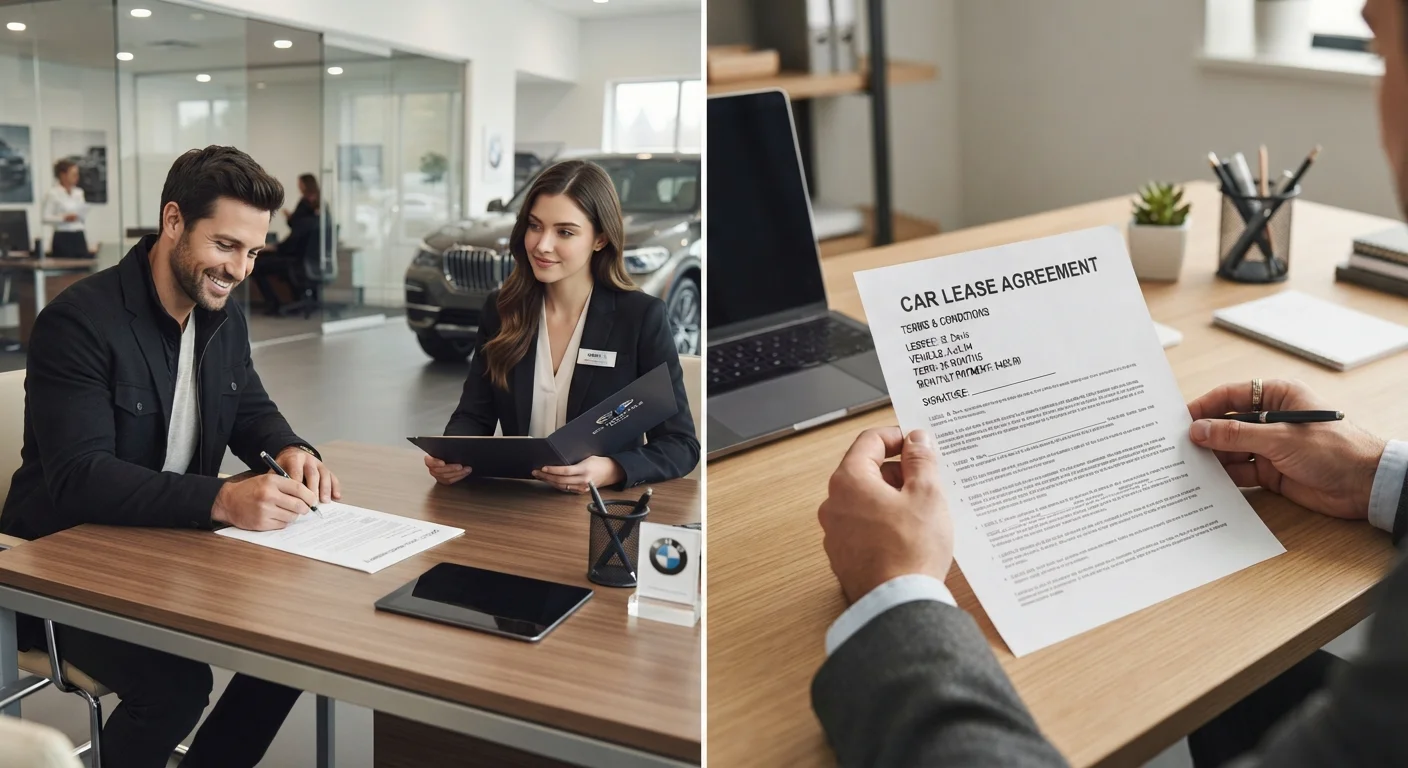
When you buy a vehicle - either with cash or through an auto loan - you own it outright at the end of the transaction or once the loan is paid off. Every payment chips away at debt and, eventually, builds equity. When you lease, you're essentially renting the vehicle from a lender or manufacturer for a fixed term, typically two to four years. At the end of the lease, you return the car unless you exercise a buyout option.
Understanding the structure matters because the differences ripple through monthly costs, flexibility, and total spend over time. For a deeper look at how lease agreements are structured, see how leasing works and who it suits.
| Buying | Leasing | |
|---|---|---|
| Monthly Payment | Higher (full vehicle price financed) | Lower (depreciation only financed) |
| Ownership at Term End | Yes - you own the vehicle | No - vehicle is returned |
| Equity Building | Yes - grows as loan is paid down | None |
| Mileage Restrictions | None | Annual cap; fees for overages |
| Customization | Unrestricted | Generally not permitted |
| Early Exit | Sell or trade in anytime | Early termination fees apply |
| Long-Term Total Cost (5+ years) | Lower for those who keep the vehicle | Higher due to continuous payments |
| Warranty Coverage | Varies; expires based on mileage/time | Usually covered for full lease term |
Monthly Payments: Lower Isn't Always Cheaper
Lease payments are typically lower than loan payments on the same vehicle because you're only financing the car's depreciation during the lease term - not its full purchase price. On a $40,000 vehicle with a three-year lease, you might pay for roughly $15,000-$18,000 in depreciation, whereas a buyer finances the entire $40,000 minus any down payment.
That payment gap can feel significant month to month. However, once a buyer's loan is paid off, their monthly transportation cost drops dramatically - potentially to zero for insurance aside. A lessee who rolls into a new lease immediately starts another payment cycle with no equity gained from the previous term.
Match Your Decision to Your Annual Mileage
Before signing a lease, calculate your realistic annual mileage using the last 12 months of driving. If you consistently exceed 15,000 miles per year, leasing may end up costing more than buying once overage fees are factored in. Ask the dealer about higher-mileage lease options - they exist, but they raise the monthly payment, narrowing the gap with financing.
For context on how vehicle depreciation affects your real cost of ownership - whether buying or leasing - it's worth understanding how quickly new cars lose value in the first few years.
The Five-Year Cost Picture
Looking beyond the monthly payment reveals where buying typically wins. Consider a simplified scenario: a buyer finances a vehicle over 60 months and keeps it for five additional years after payoff. During those extra years, they drive a paid-off car, paying only insurance and maintenance. A continuous lessee, by contrast, remains in perpetual monthly payments across successive three-year terms.
Industry data consistently shows that buyers who hold vehicles for seven or more years spend less in total than serial lessees - even accounting for out-of-warranty repair costs. The crossover point at which buying becomes cheaper than leasing varies by vehicle, but it generally occurs around the loan payoff date.
~$5,000-$10,000
Estimated savings from owning vs. leasing over 10 years
General estimates from consumer finance analysts suggest long-term owners can spend significantly less than serial lessees, depending on vehicle type and loan terms.
47%
Share of new vehicle transactions involving a lease
According to Experian automotive data, nearly half of new vehicle transactions in recent years have involved lease agreements rather than outright purchases.
Mileage, Wear, and Hidden Costs
Leases come with annual mileage limits - commonly 10,000, 12,000, or 15,000 miles per year. Exceeding those limits triggers per-mile overage fees, typically ranging from $0.10 to $0.30 per mile depending on the lease contract. On a three-year lease with a 12,000-mile annual cap, a driver who covers 18,000 miles per year could owe $1,800-$5,400 in overage charges at lease end.
Lessees are also responsible for returning the vehicle in acceptable condition. Excessive wear - defined by the lessor - can mean additional charges for dents, tire wear, or interior damage beyond normal use. Buyers face none of these restrictions and can customize, modify, or drive their vehicles without penalty.
If you're weighing vehicle choices alongside this decision, the new vs. used car comparison covers how the purchase price and reliability differences affect long-term math further.
Flexibility, Equity, and Lifestyle Fit
Buying offers more flexibility over time: you can sell the vehicle, trade it in, or modify it as you wish. Equity built through ownership can offset the cost of your next purchase. Leasing, by contrast, locks you into a contract. Exiting a lease early typically involves substantial early termination fees - sometimes equivalent to several months of remaining payments.
That said, leasing does offer a different kind of flexibility: predictable costs during the lease term, coverage under the manufacturer's warranty for most of the contract, and the ability to switch to a different vehicle model every few years. For drivers who prioritize reliability and the latest safety technology, this cycle can be appealing.
Smart vehicle decisions don't exist in isolation. How you manage transportation costs connects directly to your broader financial picture - the budgeting basics hub can help you assess what monthly payment your overall budget can genuinely support before you sign anything.
This article is for general informational purposes only and does not constitute financial or legal advice. Consult a qualified financial professional before making major vehicle financing decisions.