The Six Fluids Your Car Depends On
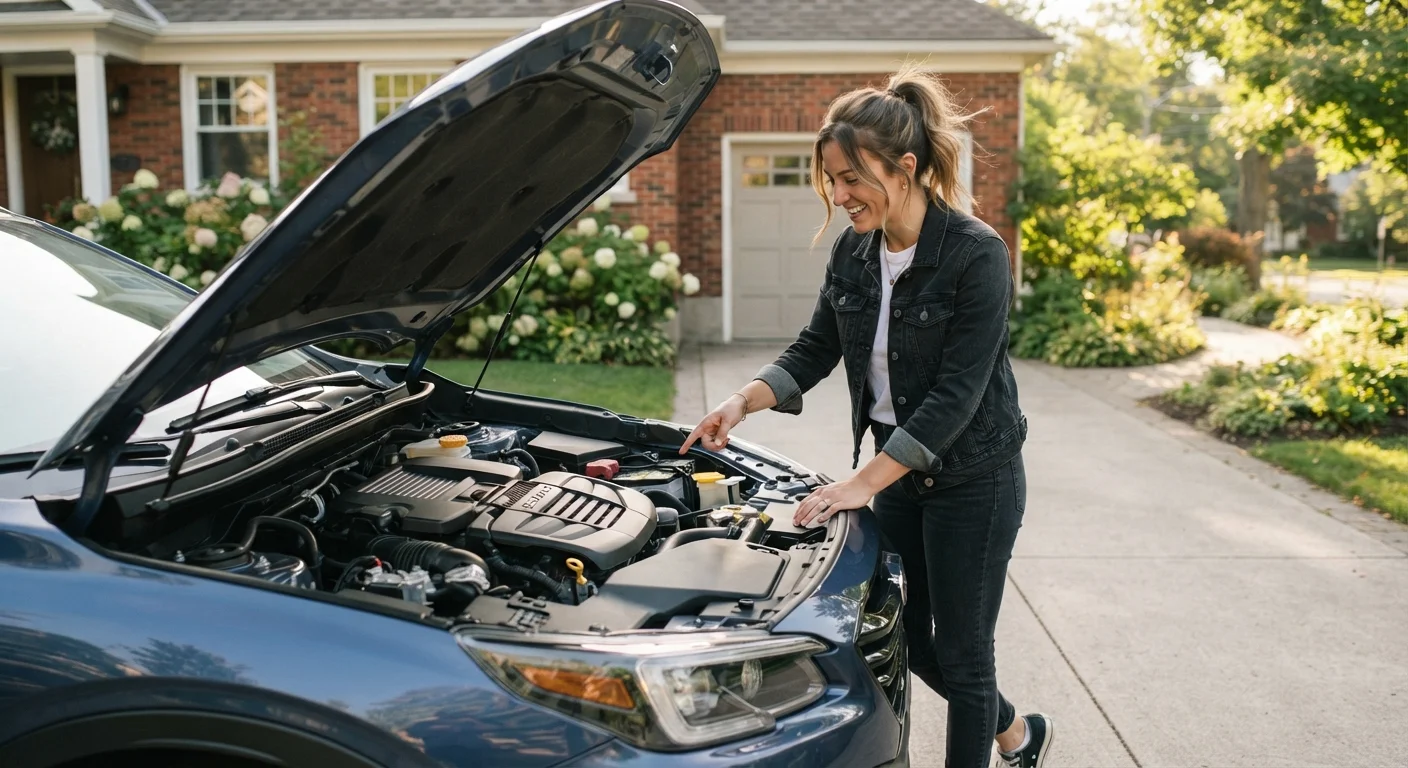
Your vehicle relies on a handful of fluids to keep its systems running safely and efficiently. Understanding what each one does-and what happens when it's low or degraded-puts you in a much stronger position as a driver. Here's a plain-language breakdown of all six.
| Number of key fluids | 6 primary fluids (Standard vehicle systems: engine oil, coolant, brake fluid, transmission fluid, power steering fluid, washer fluid) |
| Engine oil check frequency | Monthly or every fuel fill-up (General industry guidance; verify with your owner's manual) |
| Brake fluid replacement interval | Every 2-3 years (general guideline) (Varies by vehicle and driving conditions; consult your owner's manual) |
| Coolant flush interval | Every 30,000-50,000 miles (varies widely) (Manufacturer schedules differ; some modern coolants last longer) |
| Low washer fluid risk | Impaired visibility (The only fluid that poses no mechanical risk when low) |
- Engine Oil
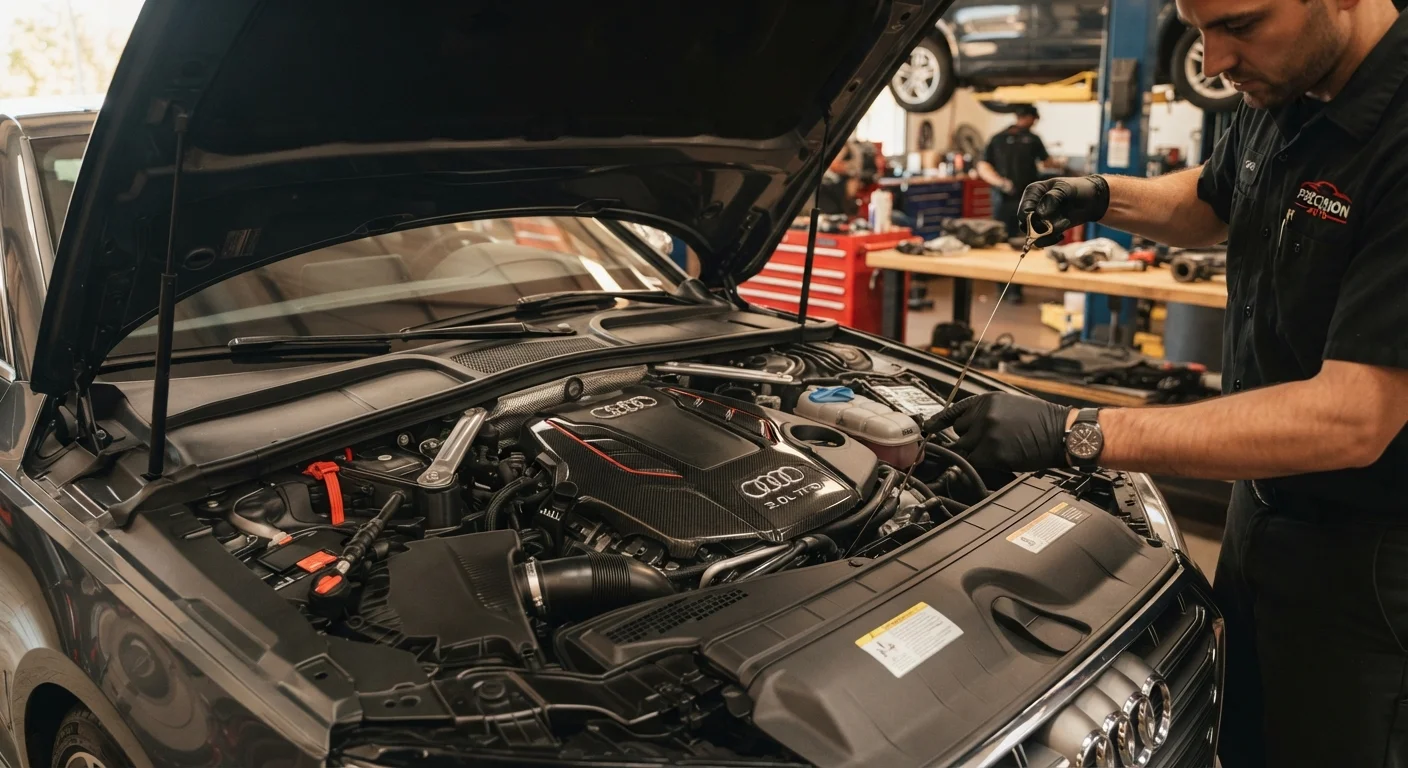
- Oil lubricates the engine's moving parts, reduces friction, and helps carry away heat. Check it monthly using the dipstick-wipe it clean, reinsert fully, then pull it out to read the level. Fresh oil is amber; dark brown or black oil may indicate it's overdue for a change. A low oil level or a lit oil warning light warrants immediate attention. For guidance on when warning lights demand action, see what your dashboard warning lights actually mean.
- Engine Coolant (Antifreeze)
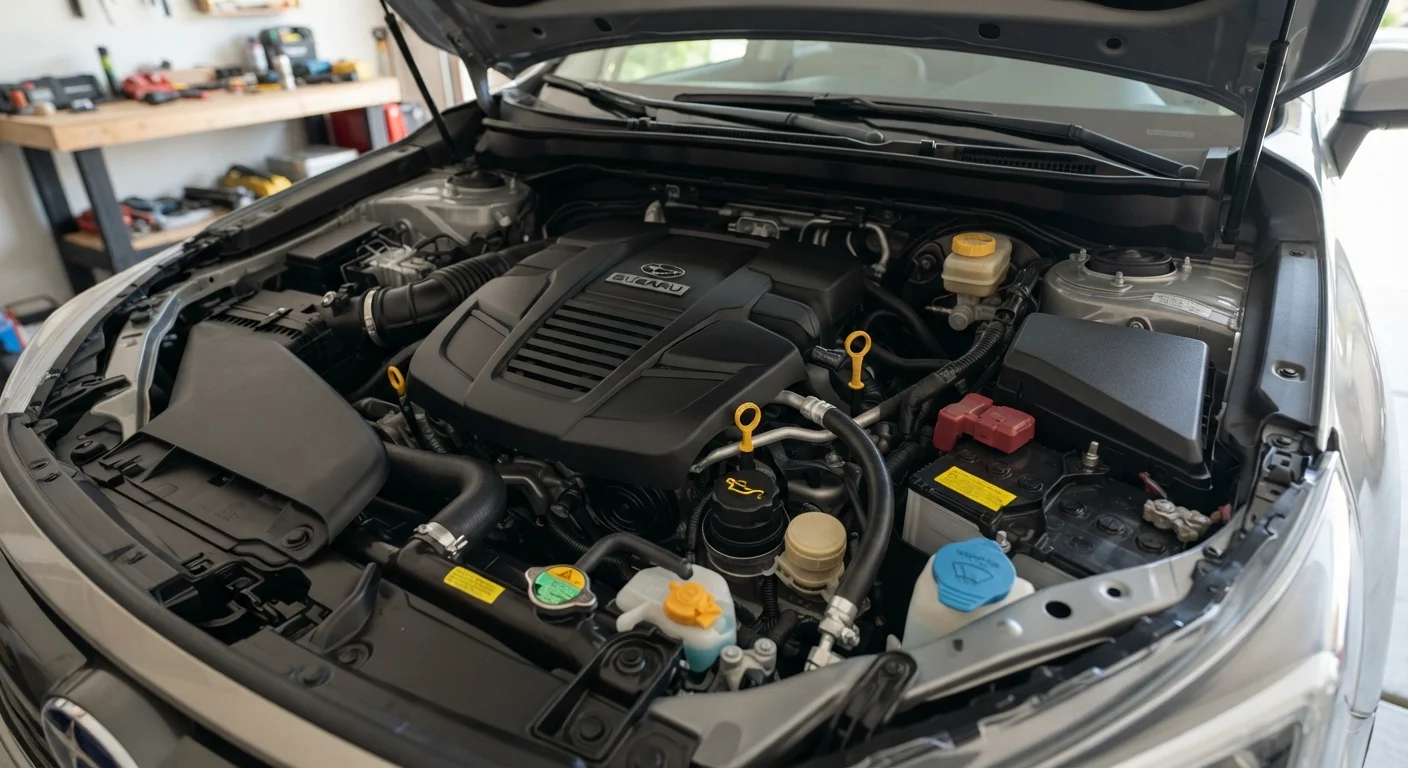
- Coolant circulates between the engine and radiator to regulate temperature. Check the translucent reservoir (never open the radiator cap on a warm engine-serious burns can result). The level should fall between the MIN and MAX lines. Coolant also degrades chemically over time, losing its protective properties.
- Brake Fluid
- Brake fluid transmits the force of your foot on the pedal through the hydraulic system to stop the car. It's stored in a small reservoir near the firewall. Because it's hygroscopic-meaning it absorbs moisture-its boiling point drops over time, reducing braking performance. A soft or spongy brake pedal can be a sign of brake system issues; learn what other brake symptoms usually indicate.
- Transmission Fluid
- This fluid lubricates the transmission's gears and components. On automatic transmissions, it also acts as a hydraulic fluid. Many modern vehicles have a sealed transmission with no dipstick-service intervals vary widely, so checking your owner's manual is essential.
- Power Steering Fluid
- If your car has hydraulic power steering, this fluid helps you turn the wheel with minimal effort. A whining noise while turning or stiff steering can signal low fluid or a failing system. Note: many newer vehicles use electric power steering and don't have this fluid at all.
- Windshield Washer Fluid
- The only fluid with no mechanical consequence when low-but it significantly affects visibility. Use a purpose-made washer fluid, not plain water, especially in winter; water can freeze in the lines and reservoir.
Spotting Trouble: What to Watch For
Most fluid problems show early warning signs before they become serious. Knowing what to look for can prevent costly repairs.
Always Check Your Owner's Manual First
Fluid types, change intervals, and specifications vary by make, model, and year. The intervals listed in this article are general guidelines-your manufacturer's schedule, found in your owner's manual, takes priority. See why your owner's manual is the most underrated maintenance tool for more on how to use it.
- Puddles under the car: A clear puddle near the front after running the AC is normal condensation. Oily, green, orange, or red puddles may indicate a leak. Have a mechanic inspect any colored fluid pooling under your vehicle.
- Burning smell: Oil or coolant dripping on hot engine components produces a distinctive burning smell. Don't ignore it.
- Dashboard warning lights: Lights for oil pressure, coolant temperature, and brake system are high-priority alerts that should never be dismissed while driving.
- Unusual sounds: Whining, grinding, or squealing can point to low transmission fluid, power steering fluid, or brake issues.
- Performance changes: Hard shifting, spongy brakes, or difficulty steering are tactile signs that a fluid system needs attention.
Staying on top of fluids is one of the most impactful parts of seasonal vehicle prep. See what to check before each season changes for a practical checklist. And if you've heard that oil only needs changing every 3,000 miles, you may be overdue for an update-common maintenance myths like this one can actually cost you more.
~40%
Engine failures linked to lubrication issues
Industry estimates suggest a significant portion of premature engine wear and failure relates to inadequate or degraded oil maintenance.
2-3 years
Typical brake fluid replacement interval
Because brake fluid is hygroscopic, most manufacturers recommend replacement on a time-based schedule regardless of mileage.
When in doubt about any fluid's condition or level, a qualified mechanic can inspect and advise-don't delay if a warning light is on or you notice a significant leak.