Why Warning Lights Exist - and Why They Deserve Attention
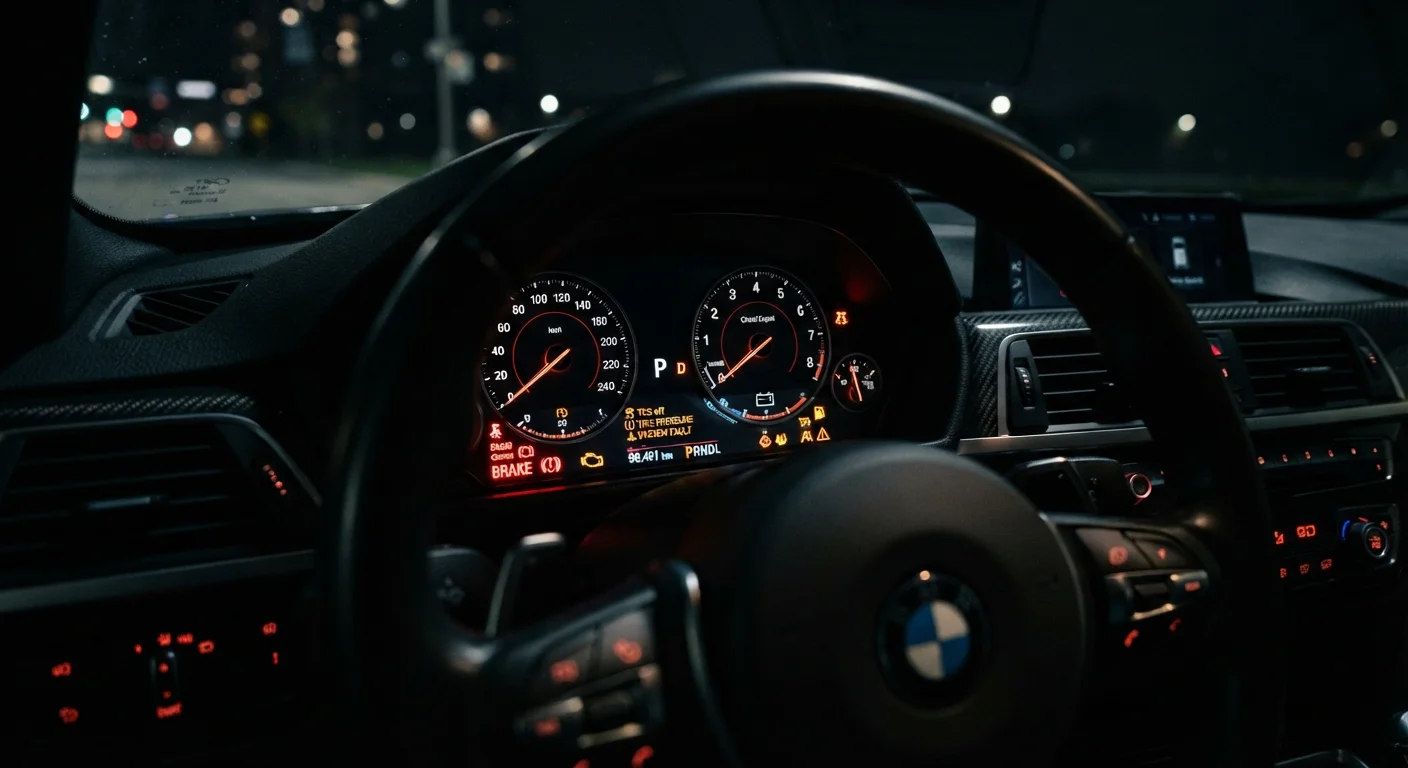
Your dashboard is a communication system. Every warning light represents a sensor somewhere in your vehicle detecting a condition that falls outside normal parameters. Some lights flag emergencies requiring you to pull over immediately. Others are reminders to schedule service. Knowing the difference is one of the most practical skills any driver can have.
Ignoring a warning light doesn't make the underlying issue go away - in many cases, it allows a minor problem to escalate into a major repair. This reference guide covers the most common warning lights found in U.S. vehicles, what each one means, and how urgently you should respond.
| Red light response | Pull over safely as soon as possible |
| Amber light response | Schedule service within days to a week |
| Most common dashboard light | Check Engine light (AAA automotive research) |
| TPMS trigger threshold | 25% below recommended tire pressure (NHTSA TPMS regulation) |
| OBD-II scan availability | Free at many auto parts retailers |
| Correct inflation reference | Driver's door jamb sticker (not tire sidewall) |
Red Lights: Stop and Act Now
Red warning lights signal conditions that can cause immediate damage to your vehicle or create a safety risk. If a red light appears while driving, treat it seriously.
- Oil Pressure Warning (oil can icon): This light means oil pressure has dropped dangerously low. Pull over safely and shut off the engine as soon as possible. Driving with low oil pressure can destroy an engine within minutes. Check your oil level; if it's adequate, do not restart without professional diagnosis.
- Engine Temperature (thermometer in liquid): Your engine is overheating. Pull over, turn off the engine, and let it cool. Never open a hot radiator cap. Low coolant is a common cause - see our guide on car fluids every driver should know for what to check.
- Battery / Charging System: The vehicle is running on battery power alone, meaning the alternator may have failed. Electrical systems will shut down progressively. Drive directly to a shop or safe location - do not turn off the engine if possible.
- Brake System Warning: If this appears while driving (not just at startup with the parking brake engaged), it can indicate low brake fluid or a hydraulic system fault. Brake failure is a serious safety hazard - learn what brake warning signs mean before assuming it's minor.
Amber Lights: Schedule Service Soon
Amber or yellow lights indicate issues that need attention but generally allow you to keep driving carefully for a short time. Don't ignore them, but you don't need to pull over immediately.
OBD-II
On-Board Diagnostics II - a standardized system in all U.S. vehicles sold after 1996 that stores diagnostic trouble codes when a sensor detects a problem. A scan tool can read these codes to pinpoint the source of a check engine light.
TPMS
Tire Pressure Monitoring System - a sensor network that alerts the driver when one or more tires falls significantly below the recommended inflation level. Required on all new U.S. passenger vehicles since 2008.
Catalytic Converter
An emissions control device in the exhaust system that converts harmful combustion byproducts into less harmful gases. A misfiring engine can send unburned fuel into the converter, causing overheating and damage.
Alternator
A generator driven by the engine that recharges the battery and powers the vehicle's electrical systems while the engine is running. A failing alternator causes the battery warning light to illuminate.
- Check Engine (engine outline): This light covers a wide range of issues - from a loose gas cap to misfires or emissions faults. A flashing check engine light, however, signals an active misfire that can damage your catalytic converter; reduce speed and seek service promptly.
- TPMS (tire with exclamation mark): The Tire Pressure Monitoring System has detected that one or more tires is significantly underinflated. Check all four tires with a gauge and inflate to the pressure listed on the driver's door jamb sticker - not the number on the tire sidewall.
- Traction Control / Stability Control: When flashing, this light means the system is actively correcting wheel slip - normal in slippery conditions. If it stays on steady, the system may be disabled or faulty.
- Transmission Temperature: The transmission fluid is running hotter than normal. Ease off towing or demanding driving and have the system inspected.
- Service Engine Soon / Maintenance Due: A mileage-based reminder to schedule routine maintenance, typically an oil change or multi-point inspection. This is not an emergency, but address it within a reasonable timeframe.
Before your next long trip, a full pre-trip safety checklist can help you catch amber-light issues before they worsen on the road.
Using This Knowledge Every Day
Warning lights are most useful when you already know what normal looks like. At startup, most vehicles briefly illuminate several warning lights as a system self-test - they should all extinguish within a few seconds. Any light that remains on after startup warrants a look in your owner's manual, which remains the most authoritative source for your specific vehicle.
When a light you don't recognize appears, resist the urge to dismiss it. A quick OBD-II scan (available free at many auto parts stores) can pull the specific diagnostic trouble code behind a check engine light, giving you a concrete starting point for a mechanic's diagnosis. This kind of informed approach - knowing what a light means before you arrive at the shop - can make you a more confident, less easily misled customer.
Good driving habits and regular maintenance are the best way to keep warning lights off your dashboard in the first place. Staying informed - from understanding common car maintenance myths to reading your vehicle's own signals - is what separates reactive car ownership from proactive, confident driving.