Why Maintenance Matters From Day One
A car is one of the most complex and expensive tools most people own, and like any tool, it needs regular attention to stay reliable. For new drivers, the habit of caring for a vehicle isn't just about avoiding repair bills - it's directly connected to safety on the road.
Neglected maintenance is a leading contributor to roadside breakdowns and preventable accidents. Worn tires blow out. Low brake fluid reduces stopping ability. An overheated engine can leave you stranded on a highway. The encouraging reality is that preventing most of these problems doesn't require mechanical training - it requires only basic awareness and a consistent routine.
If you're just getting started with car ownership, the complete driver's maintenance reference gives you a full picture of every major system. This guide focuses on the practical starting point: what to check, when, and how to know when something is beyond a simple fix.
Dipstick
A long, thin rod inserted into the engine to measure the level and condition of the engine oil. Most dipsticks have two marks indicating the minimum and maximum safe oil levels.
Tire pressure (PSI)
PSI stands for pounds per square inch - the unit used to measure how much air is inside a tire. The correct PSI for your vehicle is set by the manufacturer and found on the door jamb sticker.
Service interval
The recommended mileage or time period between scheduled maintenance tasks, as specified by the vehicle manufacturer in the owner's manual.
Tread depth
The measurement of how much rubber remains in the grooves of a tire. Adequate tread is essential for gripping the road, especially in wet conditions.
Check engine light
A dashboard warning indicator that signals the vehicle's onboard diagnostic system has detected an issue - ranging from a loose gas cap to a more serious engine or emissions problem.
Synthetic oil
A type of engine oil manufactured through a chemical process rather than refined from crude oil. It generally lasts longer between changes and performs better in extreme temperatures than conventional oil.
The Checks You Can Do Yourself
Several maintenance checks require no tools, no prior experience, and just a few minutes. Making these part of your routine removes a great deal of uncertainty about your vehicle's condition.
Tire Pressure and Tread
Under-inflated tires wear unevenly, reduce fuel efficiency, and can affect steering. Check the sticker inside your driver's door jamb for the correct pressure - not the number on the tire itself. A simple pressure gauge (available at any auto parts store) lets you check all four tires in minutes. For tread depth, insert a penny into a tread groove with Lincoln's head facing down: if you can see the top of his head, the tread is too worn and the tire should be replaced.
Engine Oil Level
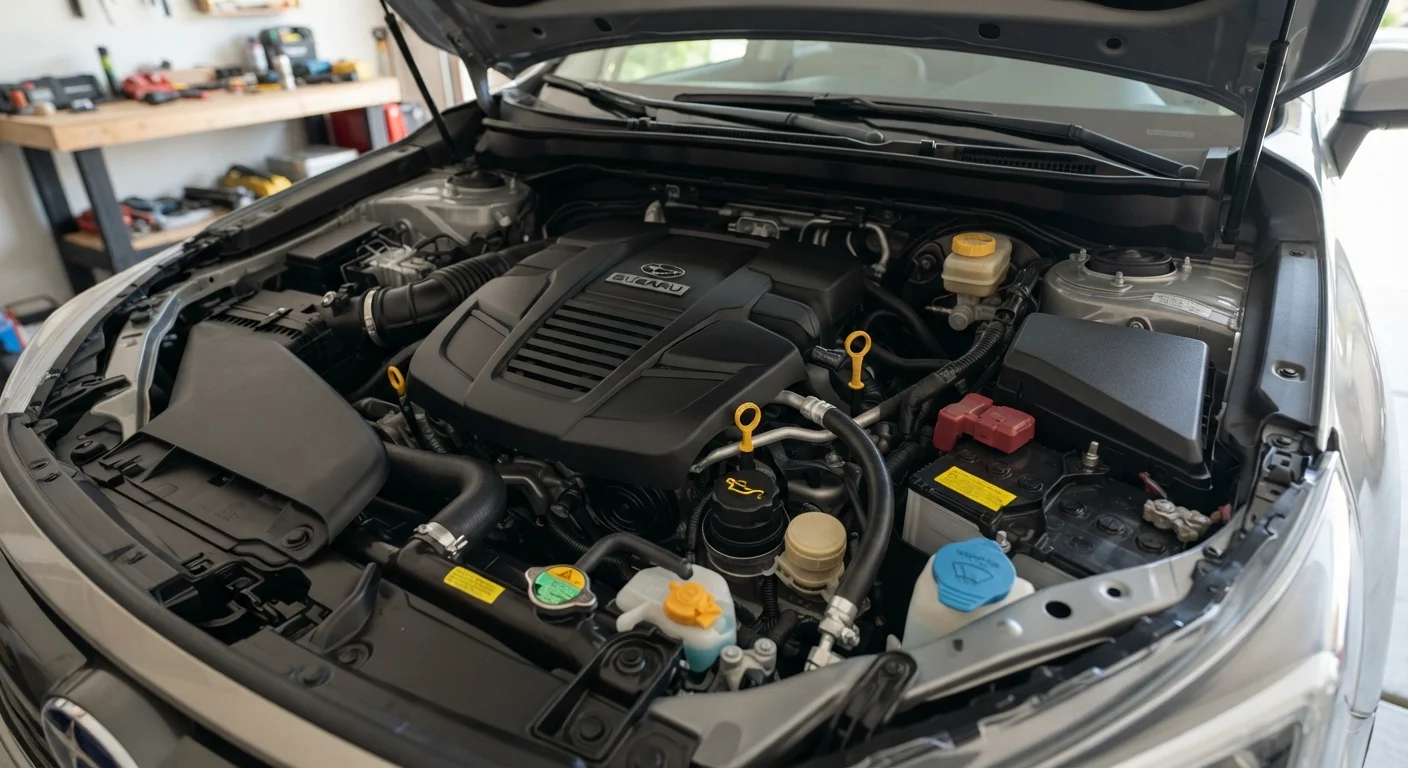
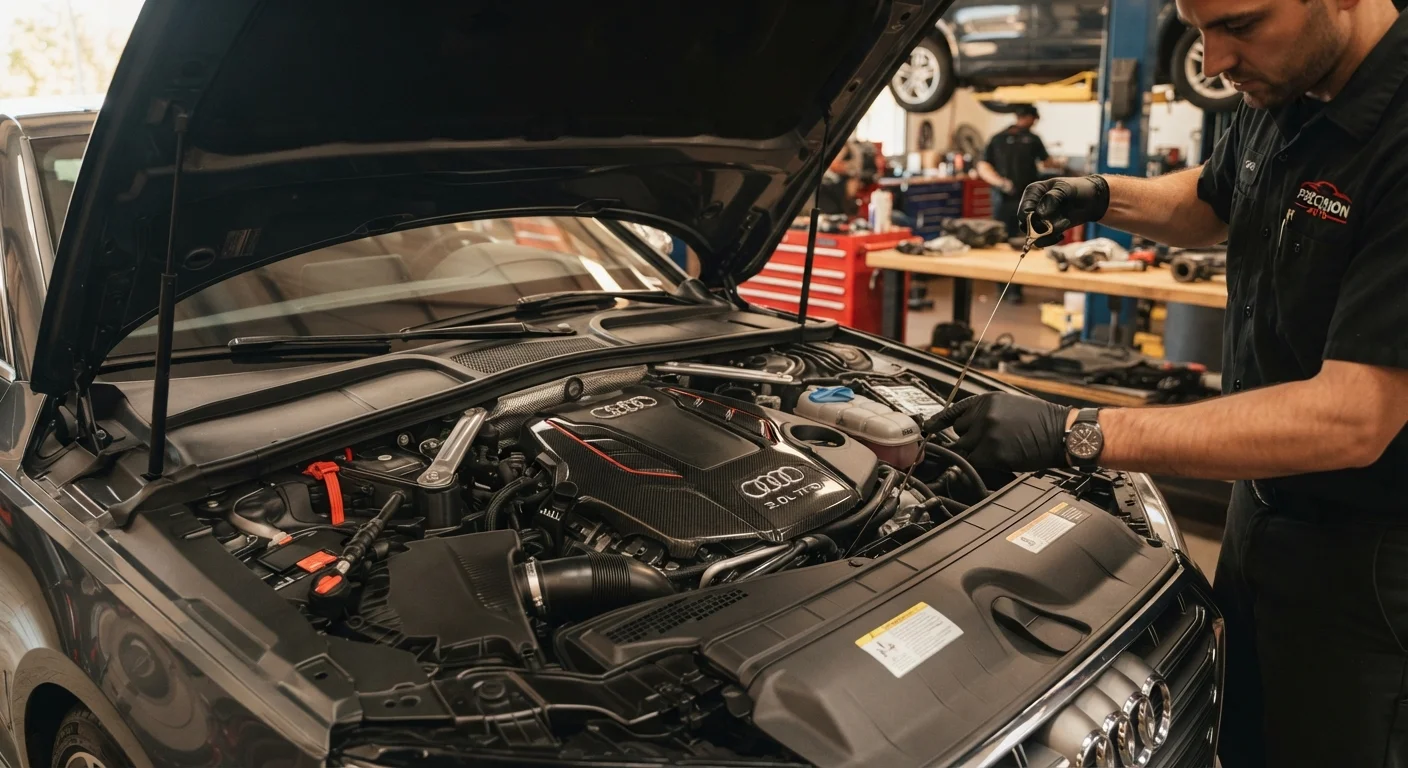
With the engine off and the car on level ground, pull the dipstick from the engine (your owner's manual shows its location), wipe it clean, reinsert it fully, then pull it again. The oil level should fall between the two marks on the stick. Low oil or oil that looks very dark and gritty may indicate it's time for a change.
Lights and Signals
Walk around your car periodically and confirm all exterior lights are working - headlights, taillights, brake lights, and turn signals. A burned-out light is a quick fix and a traffic safety issue that can also result in a citation.
Windshield Washer Fluid
This is the easiest reservoir to top off yourself. Use fluid designed for automotive use - plain water can freeze in cold climates and doesn't clean effectively.
Make a Monthly Walkaround Part of Your Routine
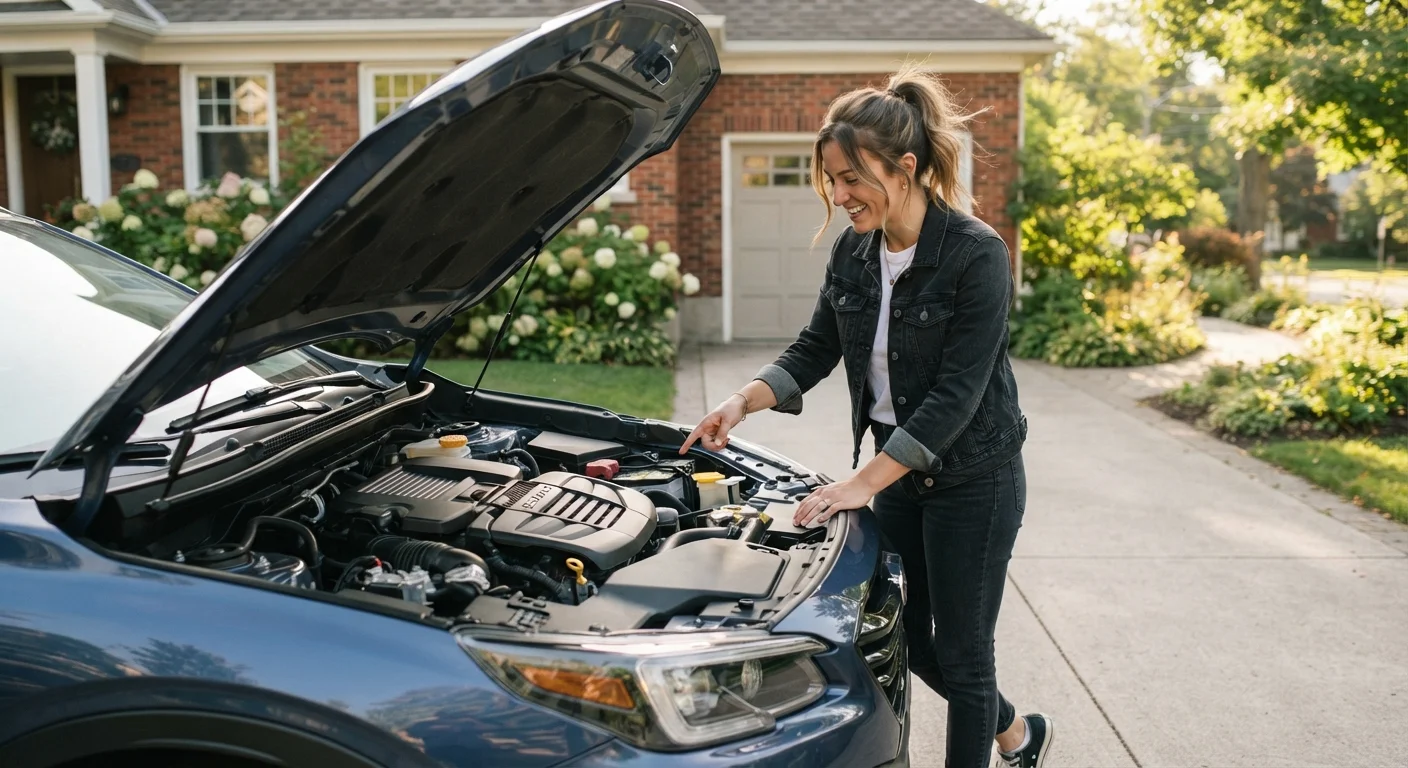
Pick one day each month - the first of the month works well - and spend five to ten minutes doing a quick check of your tires, lights, and under the hood. Catching a slow tire leak or a burned-out taillight early takes seconds to address and can prevent a much larger problem down the road.
Understanding Service Intervals
Every vehicle has a manufacturer-specified maintenance schedule - a list of services and the mileage or time intervals at which they should be performed. This schedule is the foundation of keeping your car in good shape, and the single best place to find it is your owner's manual.
Reading your owner's manual is far more useful than most new drivers realize. It lists exactly when to change your oil, replace the air filter, inspect the brakes, flush the coolant, and service the transmission - all tailored to your specific vehicle.
Common intervals to be aware of include:
- Oil changes: Varies widely by vehicle and oil type - modern synthetic oils may go 7,500 to 10,000 miles between changes. Check your manual; the old universal 3,000-mile rule is outdated for most current vehicles.
- Tire rotation: Generally every 5,000 to 7,500 miles, which promotes even wear across all four tires.
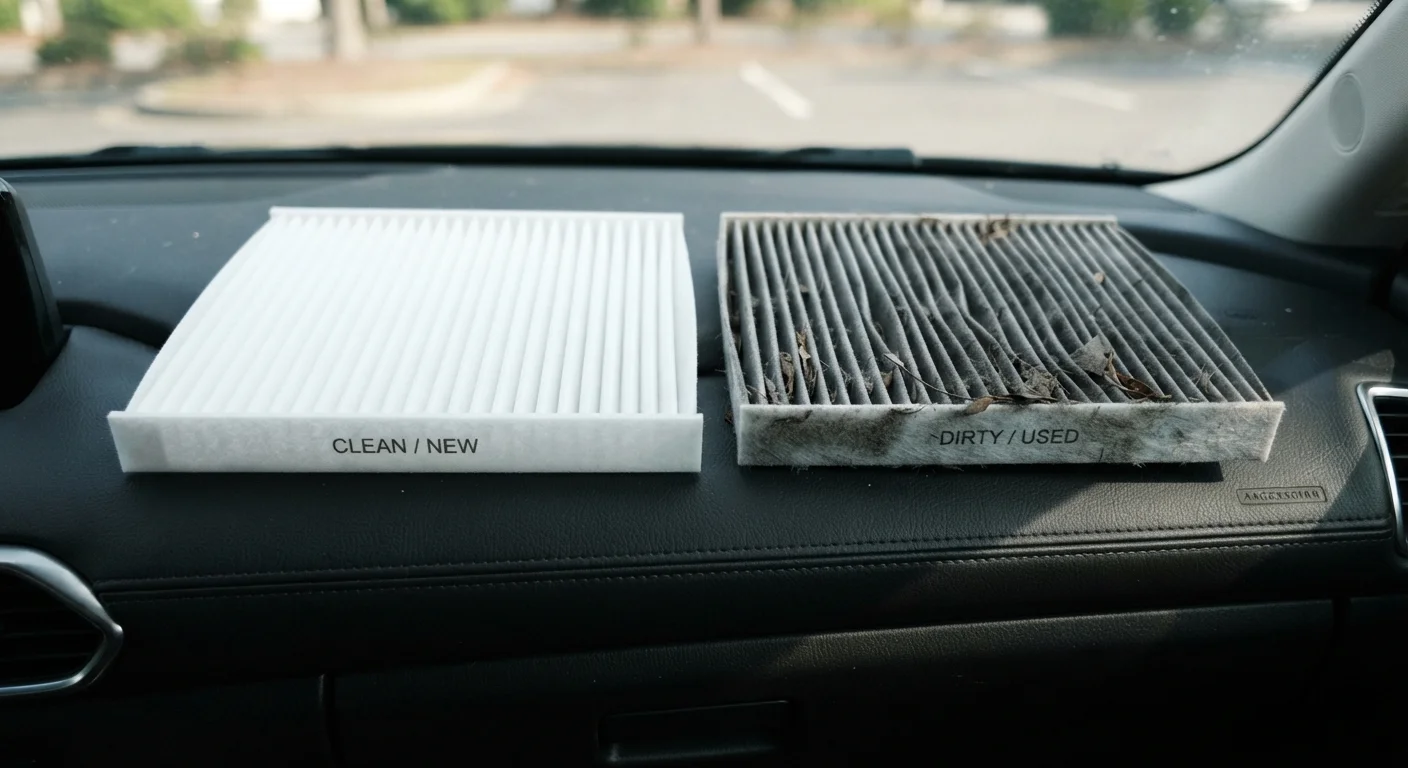
- Cabin and engine air filters: Typically every 15,000 to 30,000 miles depending on driving conditions.
- Brake inspection: Annually or whenever you notice changes in braking feel or hear grinding sounds.
Sticking to these intervals - rather than waiting until something goes wrong - is what separates proactive ownership from reactive repair.
When to See a Mechanic
Knowing your limits is as important as knowing your capabilities. Some maintenance tasks are straightforward; others involve safety-critical systems or require specialized tools and knowledge. For guidance on drawing that line, see DIY car maintenance vs. taking it to a shop.
As a general principle, any of the following warrants a professional inspection rather than a DIY attempt:
- Brake system work beyond visual inspection
- Steering or suspension concerns (pulling to one side, unusual vibration)
- Warning lights that remain on after a restart
- Fluid leaks under the vehicle
- Engine noises that are new or worsening
Don't Drive on a Persistent Warning Light
Continuing to drive with an illuminated oil pressure, temperature, or brake warning light can cause serious - and costly - engine or safety damage within a short distance. If one of these lights appears, safely pull over when you can and contact a mechanic before driving further. Not all warning lights are equal in urgency, but none should be ignored for days.
When visiting a shop, always ask for a written estimate before work begins and request that removed parts be shown to you if you're uncertain about a diagnosis. A good mechanic will welcome questions - it's a professional standard, not an imposition.
Building a Maintenance Habit
The drivers who avoid expensive surprises aren't necessarily more mechanically skilled - they're simply more consistent. A few simple systems can make maintenance feel automatic rather than burdensome.
Keep a simple log. A notes app or a small notebook in the glove box works fine. Record the date and mileage each time you have service done. This makes it easy to know when the next service is due and gives you documentation if you ever sell the vehicle.
Use calendar reminders. Set a recurring monthly reminder to do your basic walkaround checks - tires, lights, and a fluid glance. It takes less time than filling a gas tank.
Don't ignore small changes. New smells, sounds, or handling differences are the car's way of communicating. Acting on them early almost always costs less than waiting.
If you're also new to the car-buying side of things, understanding what to look for before you buy can help you start on the right foot. And as you develop your overall driving skills, building strong early driving habits is equally worth your attention - maintenance and safety go hand in hand.
For a deeper look at how misinformation can affect your maintenance decisions, common car maintenance myths separates outdated advice from what mechanics actually recommend today.