Why the DIY vs. Shop Decision Actually Matters
For most drivers, car maintenance falls into an uncomfortable gray zone - too technical to feel confident handling alone, but seemingly too simple to justify a shop bill. The reality is that this decision has real consequences: doing the wrong task yourself can compromise safety, void warranties, or create repairs that cost far more than the original job. Equally, paying a shop for every minor task is unnecessary for many drivers.
The key is understanding what separates manageable home maintenance from work that genuinely requires professional tools, expertise, or legal accountability. New drivers especially benefit from knowing this distinction early, before a small question becomes an expensive mistake.
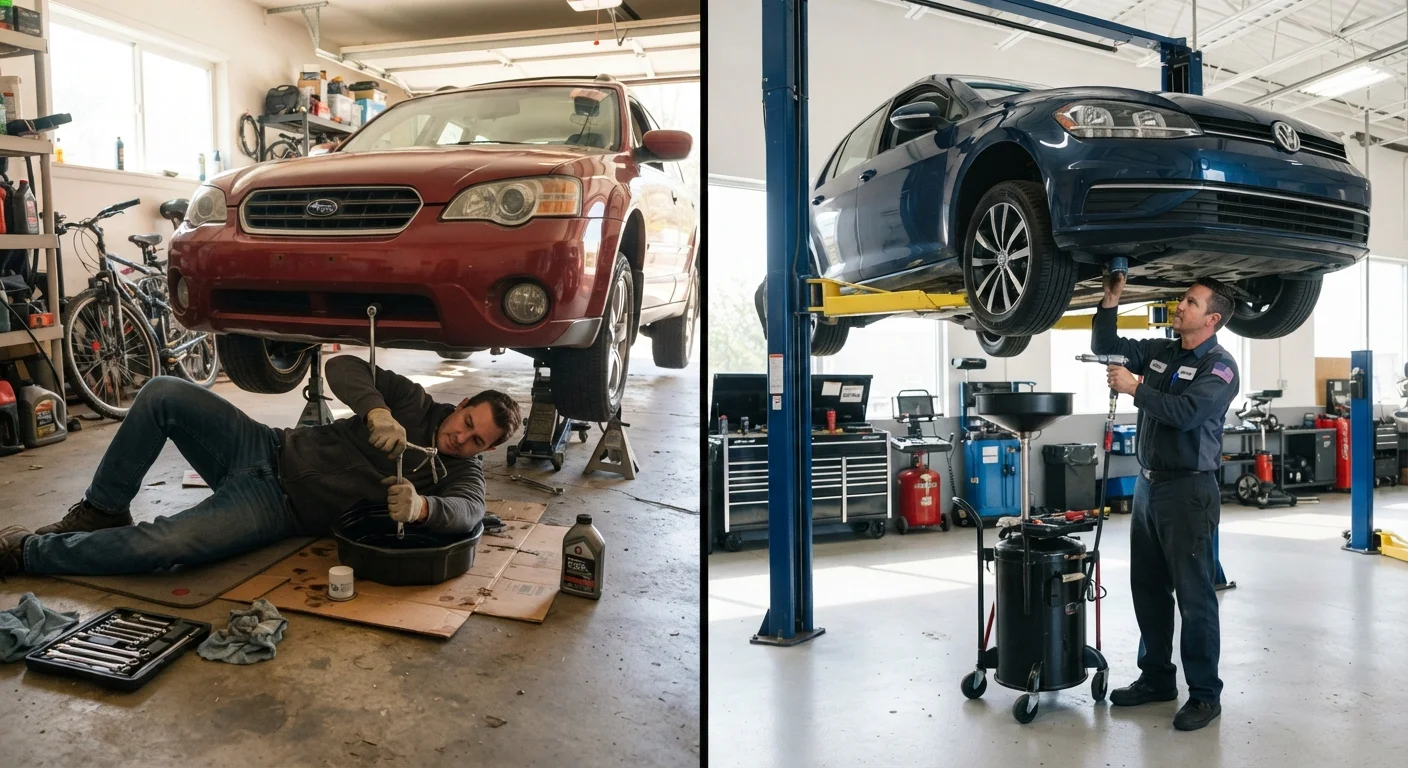
| DIY Maintenance | Professional Shop | |
|---|---|---|
| Cost | Lower on simple tasks (parts only) | Higher labor rates, but includes expertise |
| Suitable tasks | Filters, wipers, fluids, tire pressure | Brakes, suspension, timing, diagnostics |
| Tools required | Basic hand tools for most tasks | Specialized lifts, diagnostic equipment |
| Risk level | Low for routine consumables | Managed by trained professionals |
| Warranty implications | Improper work may affect warranty | Certified shops preserve warranty coverage |
| Time investment | Requires learning and setup time | Faster for complex or multi-step jobs |
What You Can Safely Handle at Home
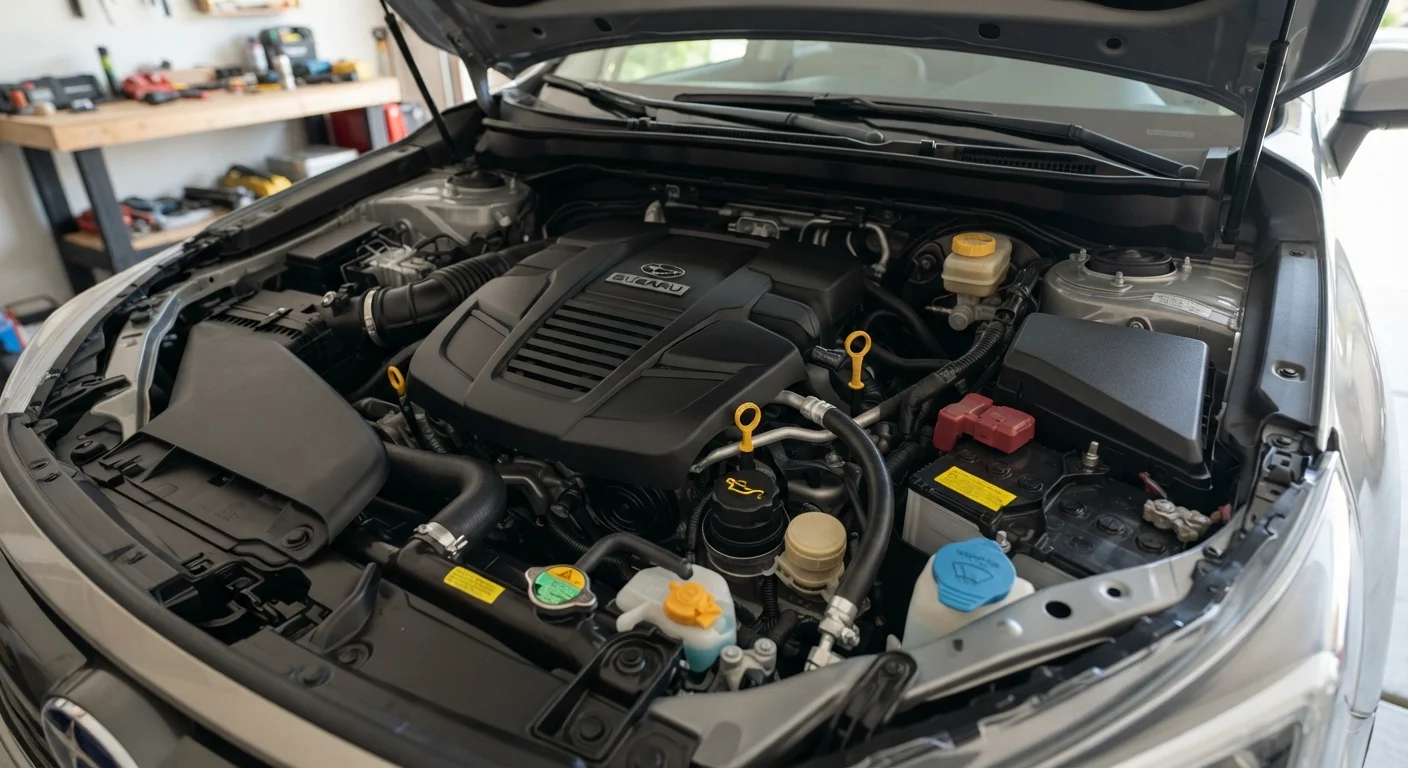
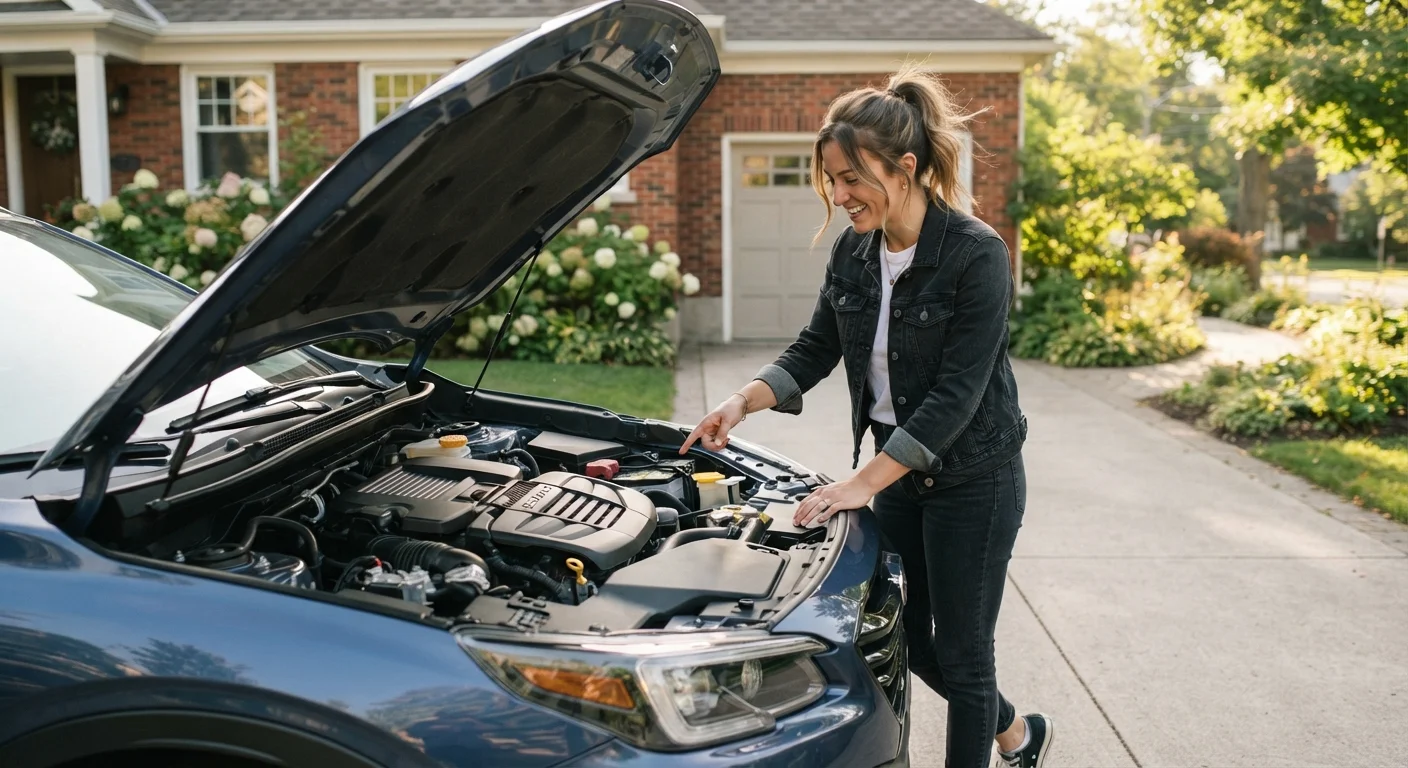
Several maintenance tasks are well within reach for an average driver with basic tools, a flat surface, and an hour of time. These jobs carry low risk, require no specialized equipment, and are well-documented in most owner's manuals.
- Engine air filter replacement: Usually accessible without tools, swap takes minutes, and a clogged filter noticeably hurts fuel efficiency.
- Wiper blade replacement: Straightforward clip-and-slide mechanisms; your manual or the packaging shows the correct fitting method.
- Cabin air filter replacement: Often located behind the glove box; improves interior air quality and HVAC performance.
- Checking and topping off fluids: Coolant, washer fluid, and power steering fluid reservoirs are clearly labeled under most hoods. Note that brake fluid and transmission fluid are typically best left to professionals unless you're confident in the procedure.
- Tire pressure checks and inflation: A quality gauge and a compressor make this a two-minute task that improves safety and fuel economy.
- Battery terminal cleaning: Corrosion on terminals is common and safely addressed with a wire brush and baking soda solution - but always disconnect the negative terminal first.
Before attempting any task, consult your owner's manual. As we explain in our guide on reading your owner's manual, it contains vehicle-specific tolerances and procedures that generic advice can miss.
Start With Your Owner's Manual
Before attempting any maintenance task, look it up in your vehicle's owner's manual. It specifies the correct fluid types, filter part numbers, torque specifications, and service intervals for your exact model. Generic guides are useful starting points, but your manual is the authoritative reference - and it's already in your glove box.
When a Professional Shop Is the Right Call
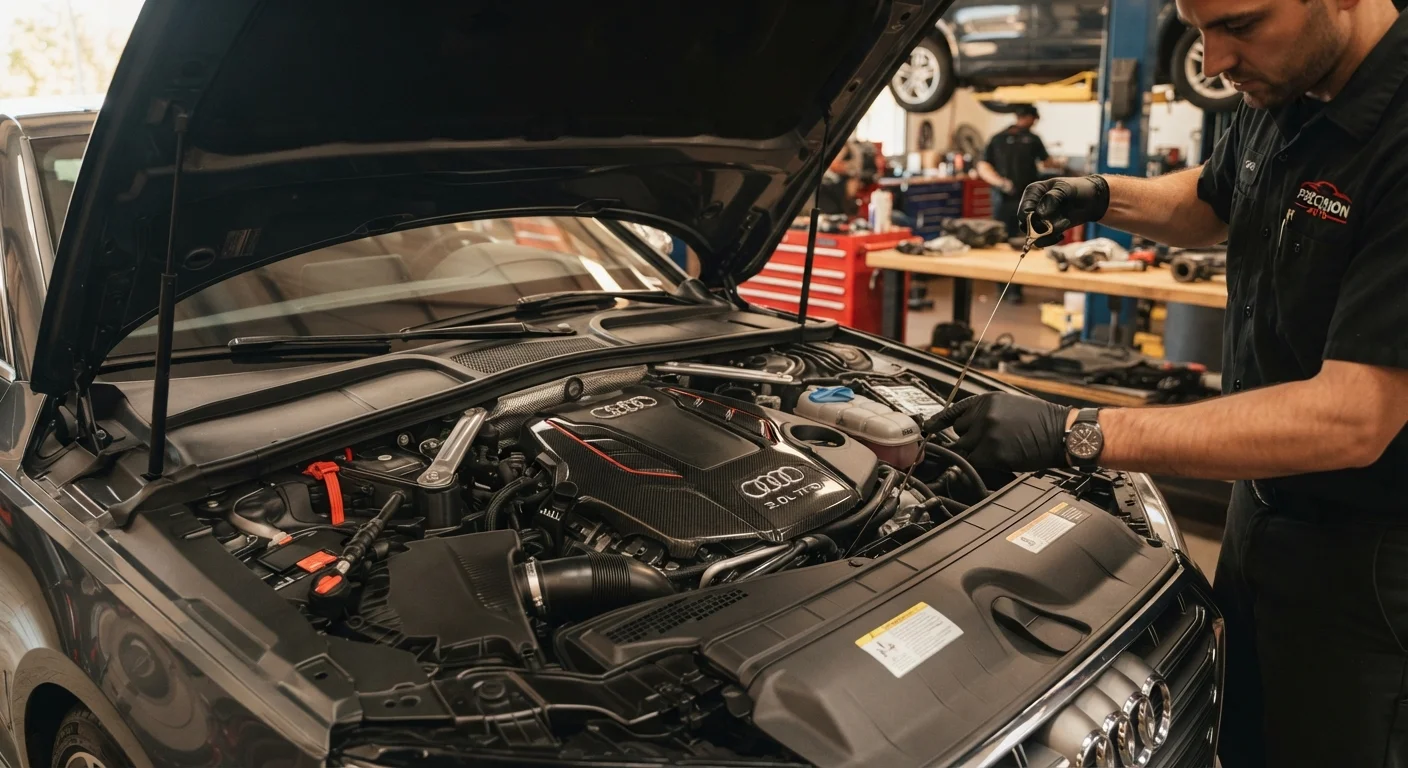
Some jobs look approachable on a video tutorial but involve real risks if performed incorrectly. The following categories generally belong with a certified mechanic.
- Brake system work: Pad replacement is sometimes listed as DIY-friendly, but brake systems are safety-critical. Improper installation of pads, calipers, or rotors can cause brake failure. Unless you have documented experience, a professional is the appropriate choice.
- Suspension and steering components: Misaligned or improperly torqued suspension parts affect handling in ways that may not be obvious until a dangerous situation arises.
- Timing belt or chain service: Requires precise alignment and specific torque specs. An error here can cause serious engine damage.
- Airbag and supplemental restraint systems: These systems contain explosive components. Tampering without proper training is genuinely dangerous and should never be attempted at home.
- Transmission service beyond fluid checks: Complex internal tolerances make this a specialist task.
- Diagnostic trouble codes on modern vehicles: Reading a code is one thing; interpreting it correctly and addressing the root cause is another. A shop with professional diagnostic equipment is better equipped to avoid misdiagnosis.
It's also worth noting that some repairs, particularly emissions-related work, may need to meet state inspection standards. A licensed shop ensures compliance in ways that self-service cannot always guarantee.
Don't Guess on Safety-Critical Systems
Brakes, steering, and airbag components are not areas where trial-and-error is acceptable. A mistake on these systems may not be immediately apparent but can have serious consequences at highway speeds or in an emergency. If you have any doubt about a repair involving these systems, stop and consult a qualified mechanic before proceeding.
Weighing Cost, Risk, and Your Own Skill Level
The honest calculus involves three factors: the cost of parts and labor, the consequences of an error, and your actual comfort level with the task - not just your confidence watching a video.
DIY can reduce costs meaningfully on simple consumables like filters and wiper blades, where labor charges often exceed parts costs by a significant margin. But on complex jobs, a botched DIY attempt may result in needing both a professional repair and additional work to undo what went wrong - an outcome that costs more than the original shop visit would have.
It's also worth separating myth from reality here. Some commonly repeated maintenance advice is outdated or simply wrong. Our article on car maintenance myths covers several assumptions that could lead drivers astray if acted on without verification.
Regardless of whether you DIY or use a shop, consistent upkeep is the single most reliable way to extend vehicle life and protect resale value. The best approach is the one you'll actually follow - correctly and on schedule.