
What Consistent Vehicle Upkeep Actually Means
Consistent vehicle upkeep isn't about obsessive detailing or replacing parts before they're due. It means following a structured schedule - primarily the one laid out in your owner's manual - to service your vehicle's core systems at appropriate intervals. Oil changes, tire rotations, brake inspections, fluid top-offs, filter replacements, and belt checks all fall under this umbrella.
The goal is straightforward: keep mechanical systems operating within their designed tolerances so nothing degrades faster than it should. As our guide to using your owner's manual explains, manufacturer schedules are tailored to your specific engine and drivetrain - making them far more reliable than generic rules of thumb.
Extends overall vehicle lifespan significantly
Properly maintained engines and drivetrains routinely reach 200,000 miles or more. Neglected vehicles often encounter major failures well before that threshold.
Reduces the risk of unexpected breakdowns
Routine inspections surface wear patterns early - before a marginal part becomes a roadside failure. This is especially valuable for drivers who commute long distances.
Preserves resale and trade-in value
A verifiable service history gives buyers confidence and supports a stronger asking price, whether selling privately or trading in at a dealership.
Keeps repair costs lower over time
Addressing a worn belt or low fluid early typically costs far less than repairing the engine or transmission damage that follows from ignoring the warning signs.
Supports safer vehicle operation
Brakes, tires, and steering components maintained in good condition perform more reliably in emergency situations, reducing the risk of accidents linked to mechanical failure.
The Real Advantages of Keeping Up With Maintenance
The case for consistent upkeep is grounded in predictable outcomes across three areas: vehicle longevity, cost control, and safety.
Longevity: Modern vehicles are engineered to last well past 150,000 miles - but only if their systems are maintained. Engine oil that degrades past its service interval accelerates wear on moving parts. Coolant that isn't flushed on schedule becomes acidic and corrodes the cooling system. These aren't hypothetical risks; they're well-documented failure patterns that mechanics see regularly.
Cost control: As detailed in why deferred maintenance costs more, catching a failing component early - a worn belt, a leaking gasket, low brake fluid - almost always costs less than addressing the cascading damage that follows if it's ignored.
Resale value: A documented maintenance history signals to buyers and dealers that a vehicle has been cared for. This can meaningfully affect trade-in offers and private-sale negotiations. Vehicle depreciation is inevitable, but neglect accelerates it.
150,000+
Miles modern vehicles can reliably achieve
Automotive engineers design contemporary powertrains to reach these thresholds - provided manufacturer-specified maintenance intervals are followed.
~$1,200
Average annual car maintenance cost per vehicle
According to AAA's annual driving cost studies, routine maintenance and tires represent a predictable annual expense that protects against far costlier unplanned repairs.
The Honest Drawbacks Worth Acknowledging
No honest assessment of regular maintenance ignores the friction involved. Time and money are real constraints for most households.
Service appointments take time - booking, traveling to a shop, waiting, and following up. For drivers with demanding schedules, this creates a practical barrier even when they understand the value. Some services, like transmission fluid changes or coolant flushes, also carry costs that feel large relative to any immediate, visible benefit.
There's also the risk of over-servicing: following outdated advice (such as changing oil every 3,000 miles regardless of vehicle type) wastes money on unnecessary service. Our breakdown of common car maintenance myths addresses exactly this kind of misinformation, which can make maintenance feel more burdensome and expensive than it needs to be.
Requires consistent time investment
Even routine services involve scheduling, travel, and waiting. For busy households, this friction is a genuine barrier that can push maintenance appointments back indefinitely.
Upfront costs are real and recurring
Some services - coolant flushes, transmission fluid changes, timing belt replacements - carry significant costs that feel disconnected from immediate, visible results.
Risk of unnecessary services from bad advice
Outdated guidelines or upselling at service centers can lead drivers to pay for services their vehicle doesn't yet need, increasing costs without improving reliability.
Benefits aren't always immediately visible
Unlike a repair that fixes a specific symptom, preventive maintenance rarely produces a dramatic, noticeable change - making it psychologically harder to prioritize.
How to Build a Maintenance Habit That Sticks
The most effective approach treats maintenance as a scheduled, recurring commitment rather than a reactive response to warning lights or unusual noises. A few practical strategies help:
- Use your owner's manual as the baseline. It outlines service intervals for your exact vehicle - not a generic fleet.
- Keep a simple log. A notebook in the glove box or a notes app entry recording the date, mileage, and service performed is enough. This record becomes evidence of value when you sell.
- Bundle related services. Scheduling a tire rotation with an oil change reduces the number of trips and often lowers the total labor cost.
- Budget monthly, not per-visit. Spreading the annual cost of maintenance across 12 months makes it feel less disruptive when a service comes due.
For a full breakdown of every major system - from brakes to belts to filters - see the complete driver's maintenance reference.
When to Involve a Qualified Mechanic
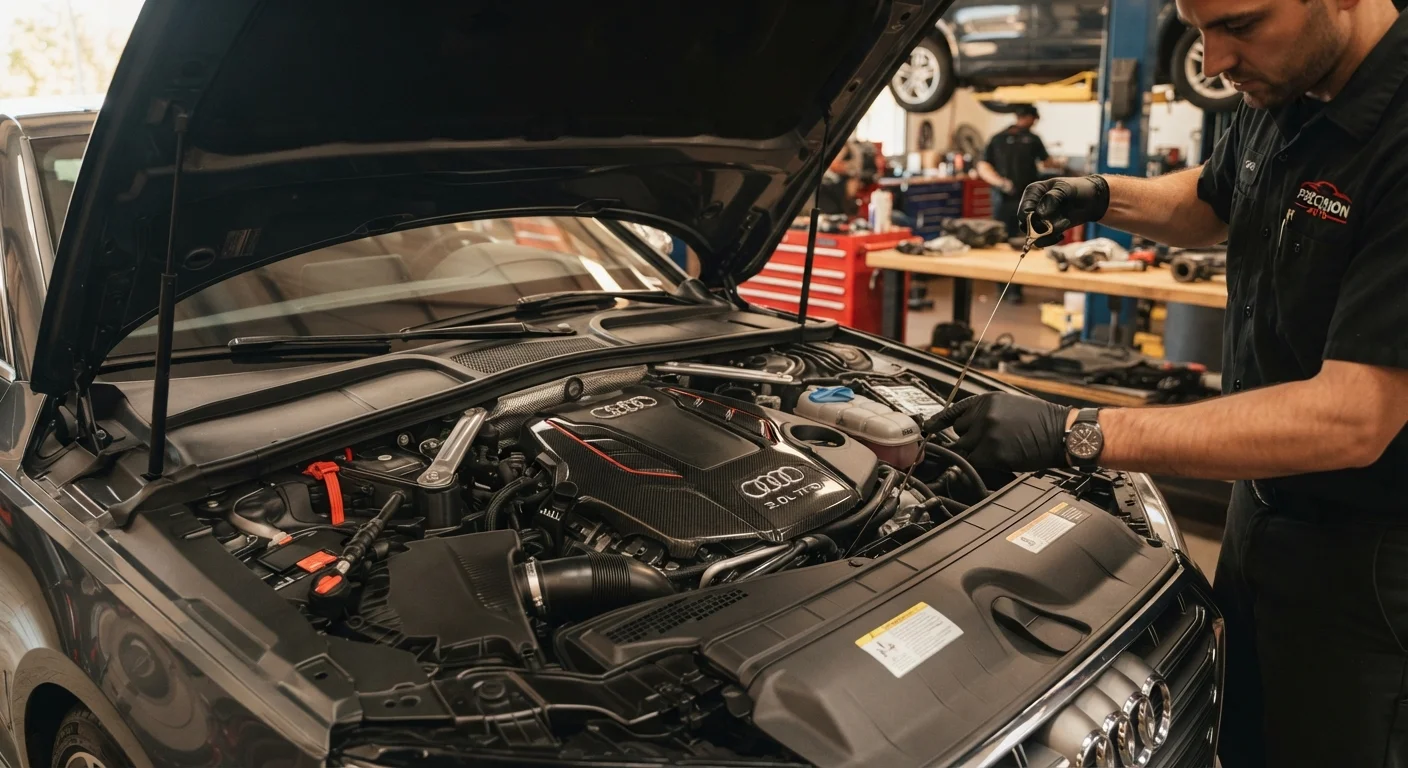
Many routine tasks - checking tire pressure, topping off washer fluid, inspecting wiper blades - are straightforward for most drivers. However, work involving the brake system, suspension, fuel system, or any component under the hood beyond fluid checks should be assessed or performed by a qualified mechanic. Incorrect repairs can create safety risks that outweigh any money saved. When in doubt, a professional inspection is the right call.