Why Consistent Maintenance Matters
A vehicle is a collection of interdependent systems, and each one degrades over time through normal use. Preventive maintenance - attending to components before they fail - is what keeps those systems working together reliably. Drivers who follow a regular schedule are less likely to experience unexpected breakdowns, and their vehicles typically retain more value over time. For a fuller look at the long-term financial and reliability case, see the long-term case for consistent vehicle upkeep.
If you're newer to car ownership, the sheer number of maintenance items can feel overwhelming. The practical starting point is always the same: your owner's manual. It contains the manufacturer's recommended intervals for every system specific to your vehicle - intervals that generic advice can't replicate. Reading your owner's manual is genuinely one of the most underrated shortcuts in automotive care.
Start With Your Owner's Manual
Before following any generic maintenance timeline, locate your vehicle's owner's manual and find the maintenance schedule section. Manufacturer intervals are based on your specific engine, transmission, and component specs - generic advice is a rough guide at best. If you've misplaced your manual, most automakers publish them as free PDF downloads on their official websites.
Engine Oil and Cooling System
Engine oil lubricates metal components moving at high speed inside the engine. As oil ages, it breaks down and accumulates combustion byproducts, losing its ability to protect those surfaces. Most modern vehicles call for an oil change somewhere between 5,000 and 10,000 miles, depending on the oil type (conventional or synthetic) and driving conditions - your manual will specify the correct interval and viscosity grade.
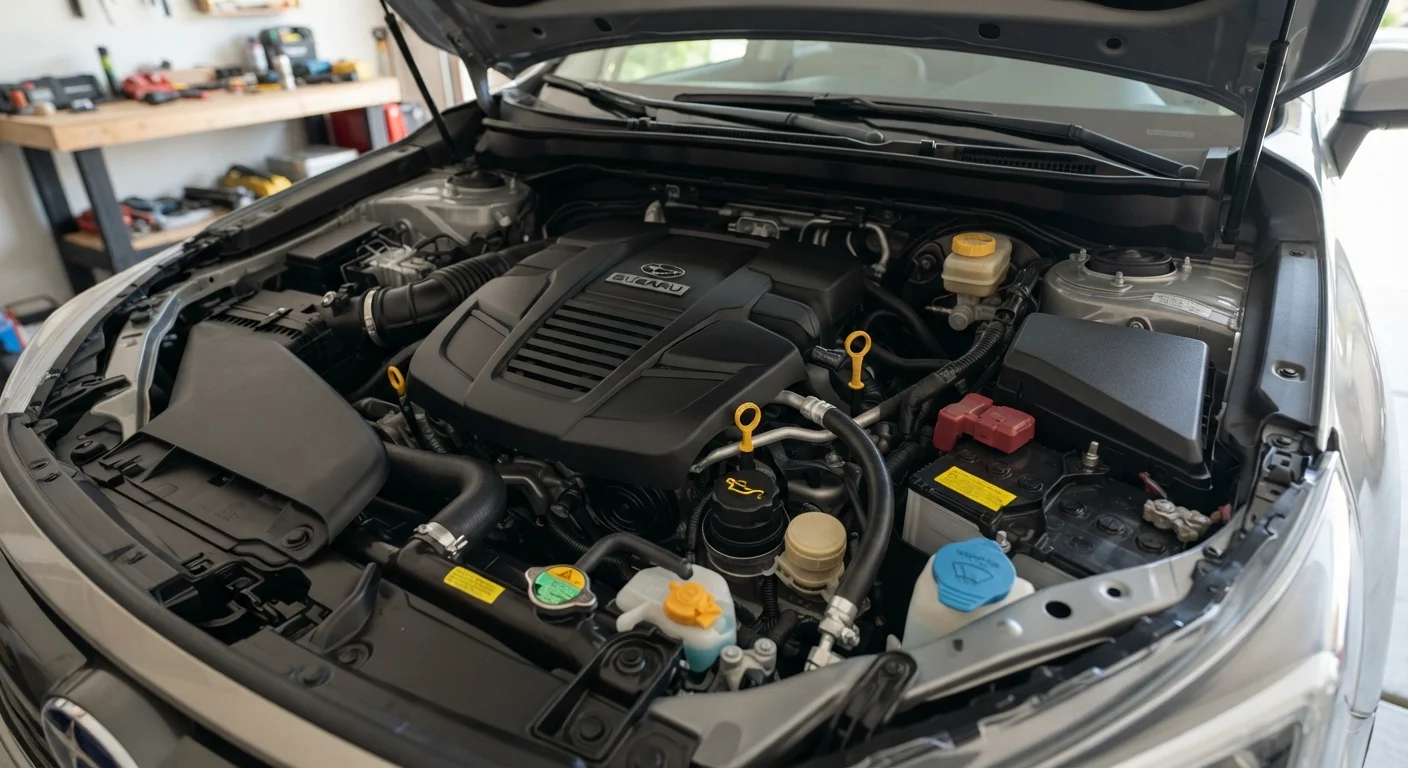
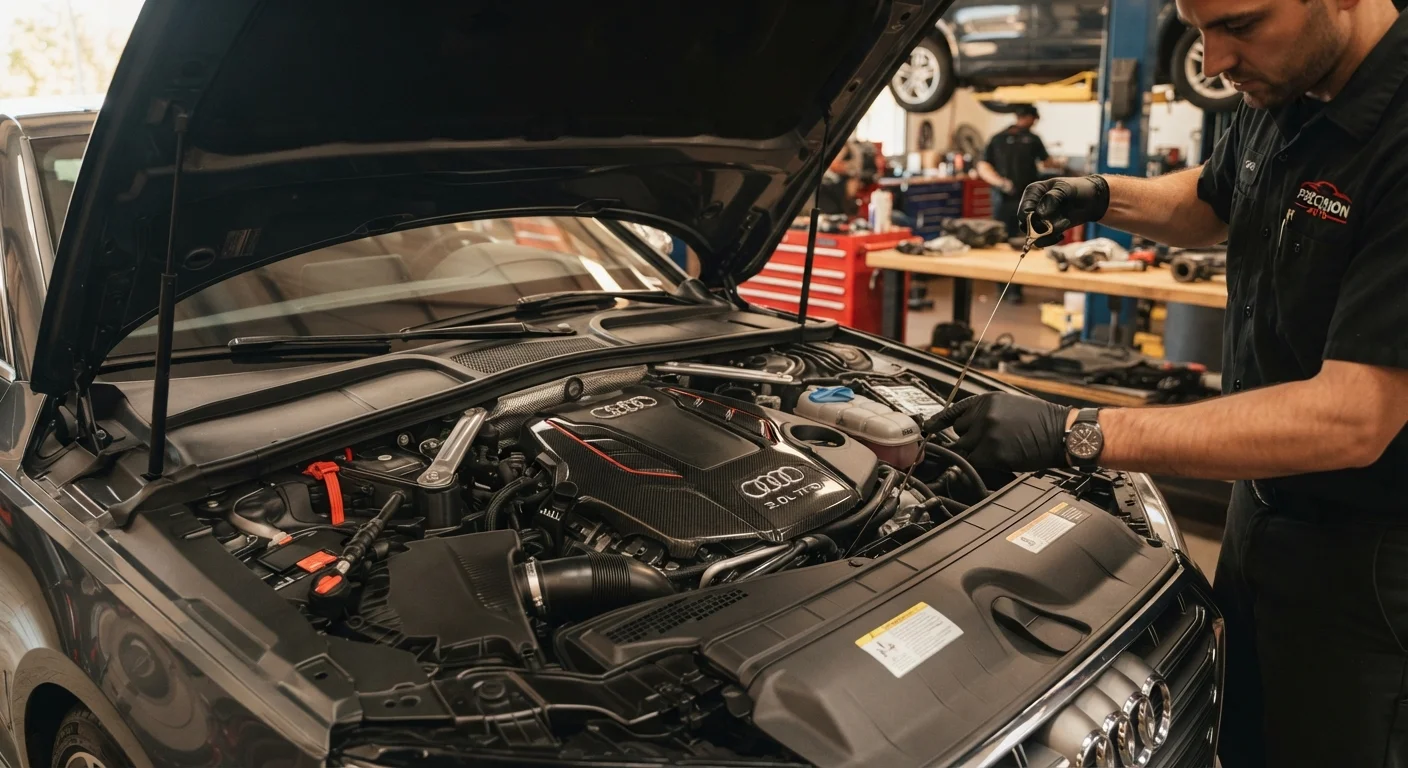
Checking your oil level takes under a minute: with the engine cold and the vehicle on level ground, pull the dipstick, wipe it clean, reinsert it fully, then pull it again to read the level. The oil should fall between the two marks and appear amber to light brown. Dark, gritty oil or a level below the minimum mark warrants immediate attention.
The cooling system keeps engine temperatures in a safe range by circulating coolant (also called antifreeze) through the engine and radiator. Check the coolant reservoir level when the engine is cold - never open a hot radiator cap. Most manufacturers recommend flushing and replacing coolant every 30,000 to 50,000 miles, though interval varies by vehicle.
5,000-10,000 mi
Typical synthetic oil change interval
The American Automobile Association (AAA) notes that most modern vehicles using full synthetic oil fall within this range, though manufacturer specs always take priority.
4/32"
Tread depth threshold to plan replacement
The U.S. Tire Manufacturers Association recommends considering replacement at 4/32 of an inch, particularly for drivers in wet or winter conditions.
3-5 years
Average car battery lifespan
Battery Council International cites three to five years as the general lifespan for automotive batteries under normal driving conditions in the U.S.
Tires: Pressure, Rotation, and Tread
Tires are your vehicle's only contact with the road, making their condition directly tied to handling, braking distance, and fuel economy. Under-inflated tires increase rolling resistance and wear unevenly; over-inflated tires reduce the contact patch and ride harshly. The correct inflation pressure for your vehicle is listed on a sticker inside the driver's door jamb - not on the sidewall of the tire itself, which shows the maximum allowable pressure.
Check tire pressure monthly and before any long trip, using a reliable gauge. Rotate tires every 5,000 to 7,500 miles to promote even tread wear across all four positions. To check tread depth, insert a quarter into a tread groove with Washington's head pointing down: if you can see the top of his head, the tread is worn to roughly 4/32 of an inch and replacement should be planned soon. At 2/32 of an inch - the legal minimum in most U.S. states - stopping distances increase significantly, especially on wet roads.
Maintaining your tires is closely linked to overall road safety. For broader driving guidance, the safe driving hub covers practical rules for keeping drivers and passengers safer in a range of conditions.
Brakes and Brake Fluid
Brake pads press against rotors to slow and stop the vehicle. Most pads include wear indicators - a small metal tab that produces a high-pitched squeal when the pad material wears thin. That sound is a deliberate warning signal, not a noise to ignore. A grinding sound suggests the pad material has worn through entirely and metal is contacting the rotor, which requires immediate service.
Brake fluid transmits the force you apply at the pedal through hydraulic lines to the calipers. It is hygroscopic, meaning it absorbs moisture over time, which lowers its boiling point and can reduce braking performance. Most manufacturers recommend replacing brake fluid every two years regardless of mileage. Brake system work - particularly anything beyond topping off fluid - should be handled by a qualified mechanic, as brakes are a critical safety system.
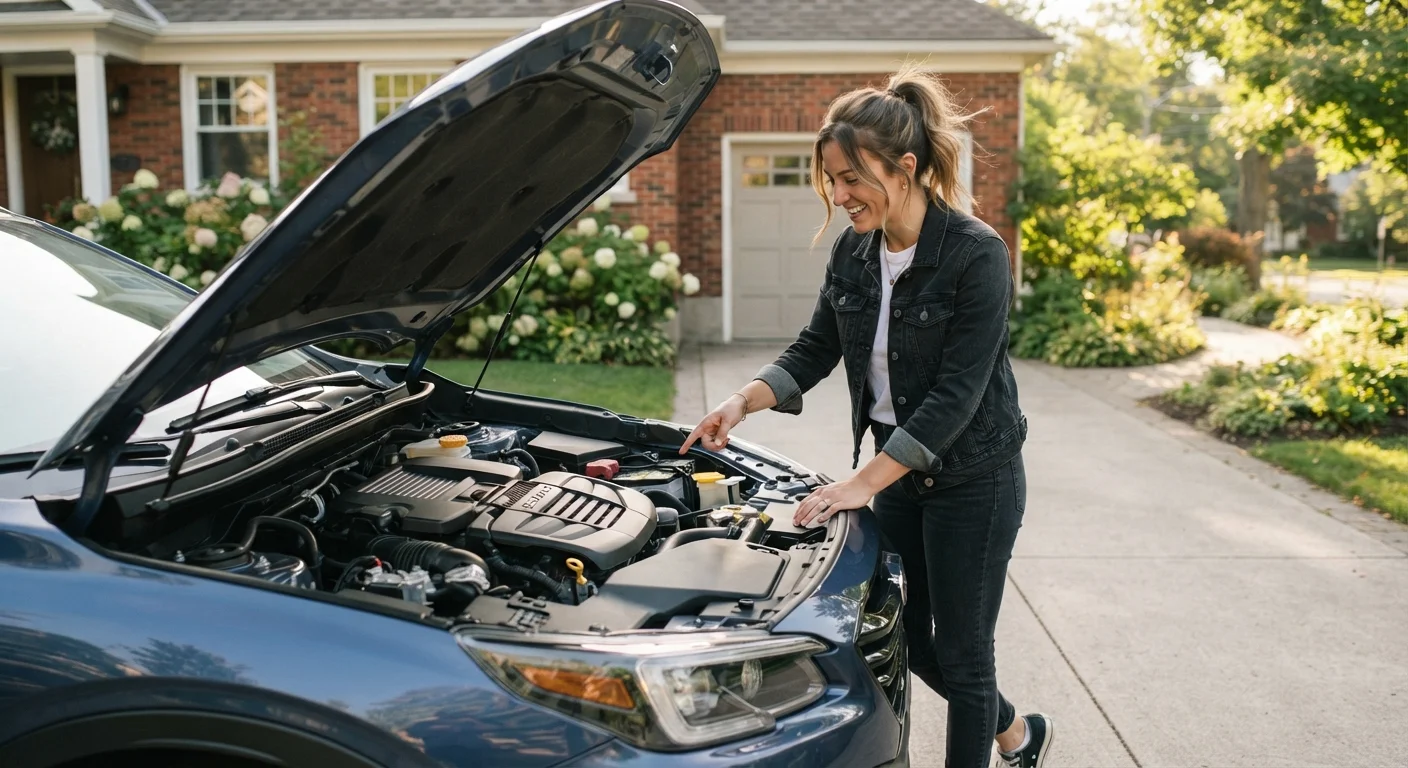
When checking multiple fluids at once, always do so with the engine cold and on level ground - heat and an unlevel surface both skew readings and create burn risks.
Accurate fluid level readings depend on stable temperature and a level vehicle; checking otherwise can lead to overfilling or underfilling, both of which can damage components.
Keep a small notepad or use a free app to log every service with the date and mileage - this single habit eliminates guesswork about what's overdue and adds tangible value if you ever sell the vehicle.
Documented service history is one of the most credible signals of a well-maintained vehicle to prospective buyers and is referenced by used-car valuation guides.
Filters, Belts, and Electrical Systems
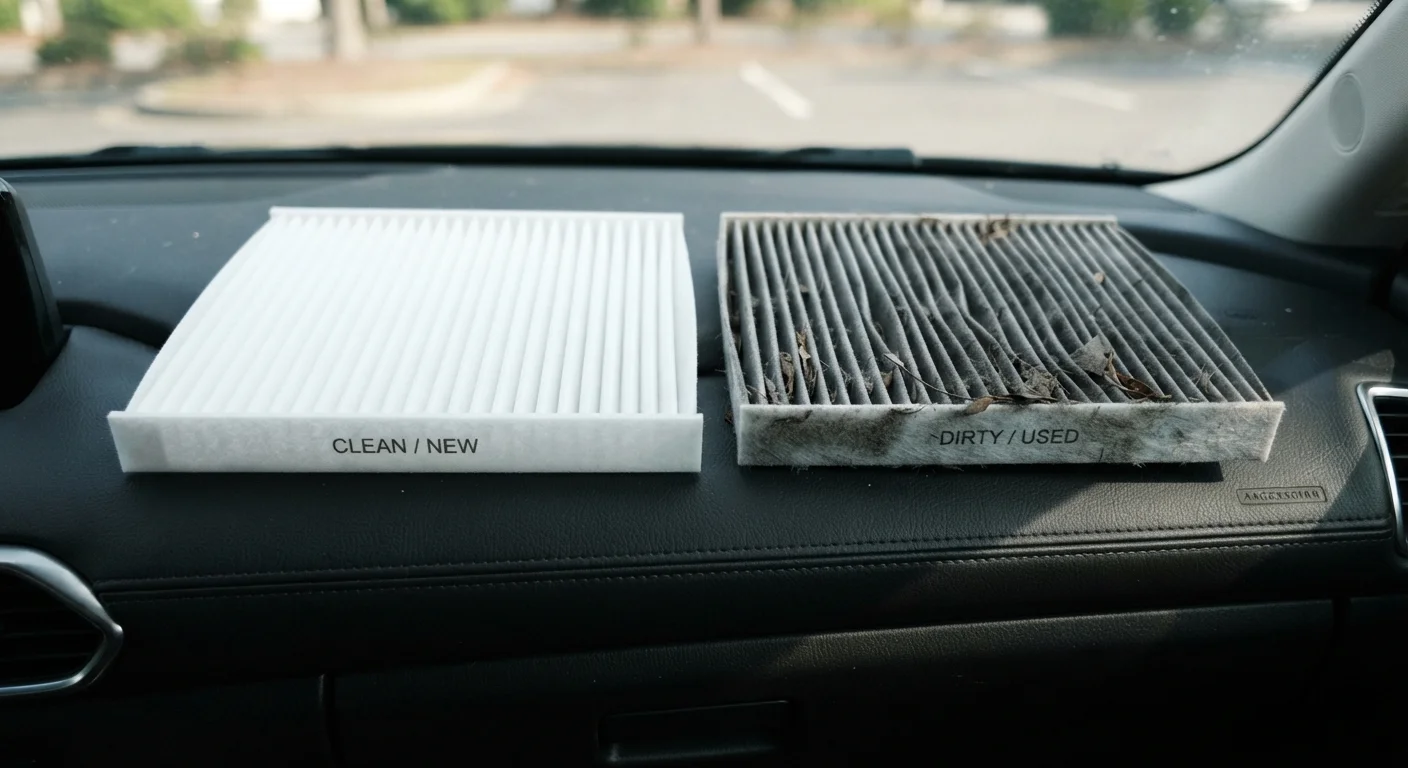
Air filter: The engine air filter prevents dust and debris from entering the engine. A clogged filter reduces airflow and can lower performance and fuel economy. Most are accessible without tools and should be inspected annually or roughly every 15,000 to 30,000 miles. A cabin air filter - separate from the engine filter - cleans air entering the passenger compartment and is typically replaced on a similar schedule.
Timing belt or chain: The timing belt (or chain on many modern engines) synchronizes the crankshaft and camshaft. A broken timing belt can cause severe engine damage. Belts typically require replacement between 60,000 and 100,000 miles; check your manual for the specific interval. This is not a DIY job for most drivers - it requires professional service.
Battery and electrical: A car battery generally lasts three to five years. Signs of a weakening battery include slow engine cranking, dimming headlights, or warning lights on the dashboard. Battery terminals should be kept clean and free of corrosion. If your battery is approaching four years old, have it load-tested at a shop during your next service visit.
Building Your Maintenance Routine
The most practical way to manage vehicle maintenance is to build a simple schedule organized by mileage and calendar intervals. Group tasks so they happen together: checking fluid levels, tire pressure, and lights takes only a few minutes and is easy to do monthly. Longer-interval items - belt inspection, transmission fluid, spark plugs - can be tracked in a small logbook or a phone note alongside your oil change sticker dates.
If you're new to car ownership, a practical starting point for new drivers walks through the fundamentals in plain language. And when the time comes to move on from your current vehicle, consistent maintenance records are a meaningful asset - they matter when navigating the car-buying process and evaluating a trade-in's worth.
Finally, maintenance and safe operation go hand in hand. A well-maintained vehicle handles predictably in emergency situations. For guidance on highway driving specifically, see a complete guide to staying safe on the highway.