Why Preparation Matters More Than Negotiation
Most first-time car buyers focus on what happens at the dealership - the back-and-forth, the numbers, the pressure. But the decisions that cost or save the most money are made before you arrive. Knowing what type of vehicle fits your life, what you can realistically afford, and how financing works turns an overwhelming experience into a manageable one.
Car buying involves several distinct stages: research, financing, vehicle selection, negotiation, and paperwork. Each stage builds on the last. Skipping ahead - say, falling in love with a vehicle before settling on a budget - is how buyers end up stretched thin or locked into terms they don't fully understand. For a complete walkthrough of every stage, see our step-by-step car-buying guide.
Research Online Before Visiting in Person
Use manufacturer websites and independent automotive research tools to compare vehicle specifications, safety ratings, and ownership costs before visiting a dealership. Arriving with specific vehicles in mind - rather than browsing cold - keeps the process focused and reduces the chance of an impulse decision you'll second-guess later.
Key Concepts Every First-Time Buyer Should Know
Car shopping has its own vocabulary, and dealers use it fluently. Understanding the terms below before you walk in levels the playing field considerably.
These aren't abstractions - they appear directly on the paperwork you'll sign. Recognizing them in context helps you ask the right questions rather than nodding along.
Setting Your Budget Before You Set Foot on a Lot
Budget conversations in car buying often get reduced to one question: What can you afford per month? That framing is misleading. A lower monthly payment can mean a longer loan term, which typically means paying more interest overall. The more useful question is: What is the total amount I'm willing to spend on this vehicle?
Start by calculating your realistic price ceiling - the maximum you'd pay out of pocket or borrow, factoring in a down payment. Then estimate ongoing costs: insurance premiums (which vary by vehicle type, age, and your driving record), fuel costs, and routine maintenance. These recurring expenses are often underestimated by first-time buyers.
If you plan to finance, get pre-approved by a bank or credit union before visiting a dealer. Pre-approval tells you your likely interest rate and loan ceiling based on your actual credit profile - and it gives you a concrete number to compare against any financing offer the dealer presents.
Pre-Approval Is Not a Commitment
Getting pre-approved for a loan from your bank or credit union does not obligate you to use that financing. It simply gives you a baseline offer to compare against the dealer's financing proposal. If the dealer offers a lower rate, you can take it - pre-approval just ensures you have a fallback and a frame of reference going in.
New vs. Used: What the Tradeoffs Actually Look Like
The new-versus-used question comes down to a few key factors: depreciation, warranty coverage, interest rates, and reliability history.
- New vehicles depreciate quickly - a significant portion of value can be lost in the first year or two of ownership. They come with full manufacturer warranties, the latest safety technology, and no unknown ownership history. Financing rates for new vehicles are often lower than for used ones.
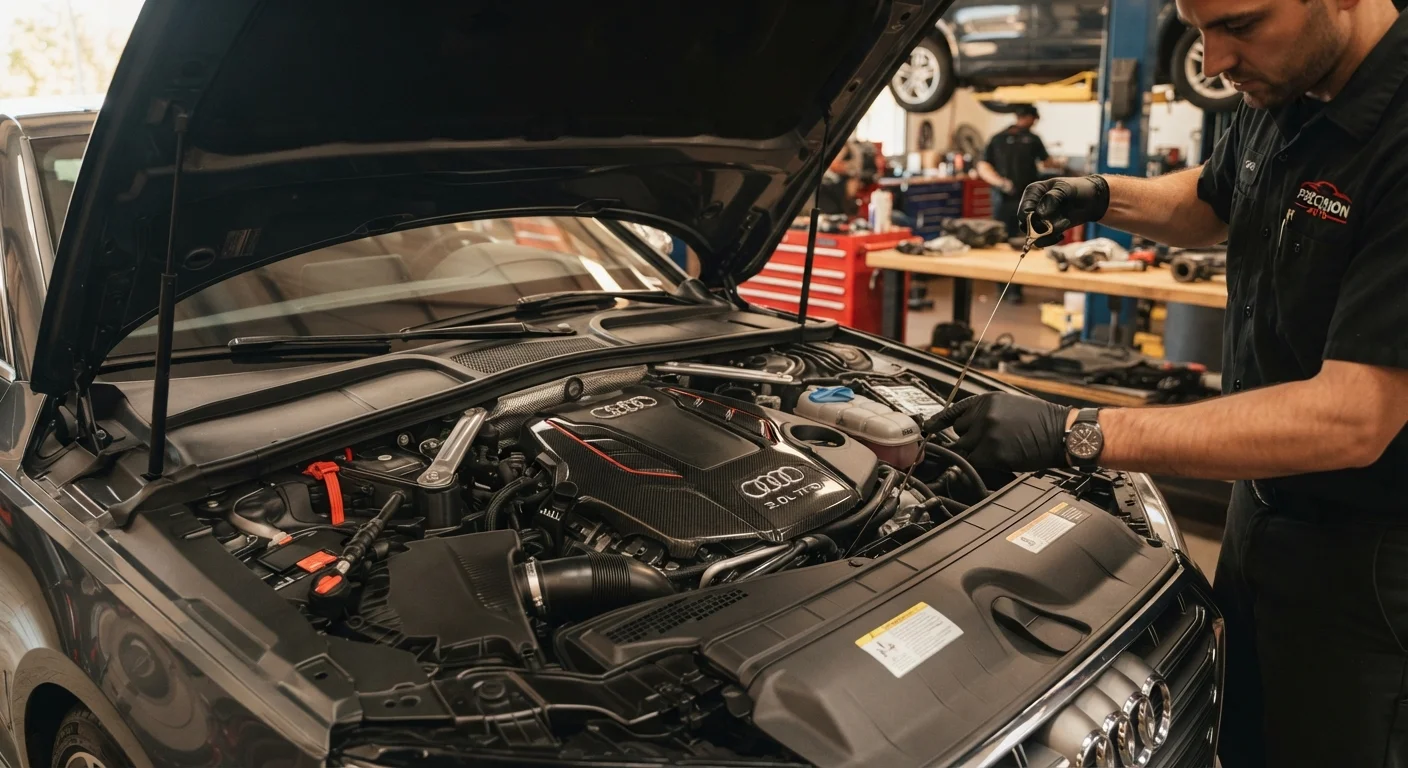
- Used vehicles have already absorbed much of that depreciation curve, so your purchase price more closely reflects the vehicle's ongoing market value. The tradeoff is that you're buying a vehicle with some wear, and warranty coverage may be limited or expired. A pre-purchase inspection by an independent mechanic is strongly recommended.
Certified Pre-Owned (CPO) programs offer a middle ground: used vehicles that have passed a manufacturer-defined inspection and come with extended warranty coverage. They typically cost more than equivalent non-certified used vehicles, but carry less uncertainty.
If you're evaluating a used vehicle, our used car inspection checklist covers what to look for before committing.
What Happens During and After the Test Drive
A test drive is a structured evaluation - not a formality. Use it to assess how the vehicle fits your daily driving conditions: highway comfort, parking maneuverability, visibility, noise levels at speed, and ease of the controls. Bring a list of specific things to check rather than relying on general impressions.
After the test drive comes the negotiation and, ultimately, the finance and insurance (F&I) office. This is where many first-time buyers feel the most pressure. The F&I office is where loan paperwork is signed and where add-on products - extended warranties, gap insurance, service packages - are offered. These products are not mandatory, and each has a cost. Read every document before signing, and don't hesitate to ask what each line item is for.
Once you've taken delivery, your ownership responsibilities begin. Familiarize yourself with your vehicle's maintenance schedule - found in the owner's manual - and set reminders for routine service intervals. Our car maintenance hub is a good starting point for understanding what your vehicle will need over time. Developing good habits early, much like new drivers building safe habits, makes a lasting difference in how well your vehicle serves you.