Why a Thorough Inspection Matters Before You Commit
Buying a used car involves real financial risk. Unlike a new vehicle, a used car carries an unknown history - and sellers, whether private individuals or dealers, are not always forthcoming about every problem. A structured inspection gives you a factual basis for your decision and can reveal issues that aren't visible in photos or disclosed upfront.
This checklist is designed to walk you through every critical area of a used vehicle before you agree to any terms. Pair it with a vehicle history report review and, ideally, an independent mechanic's assessment. For additional context on what a certified pre-owned label actually covers versus a standard used sale, see our guide on CPO vs. regular used vehicles.
Plan to spend 45 to 90 minutes on-site. Bring a flashlight, wear clothes you can crouch in, and inspect during daylight whenever possible.
Flashlight or Inspection Light
Illuminate the engine bay, undercarriage, and interior carpet areas that are difficult to see clearly in ambient light.
Tire Tread Depth Gauge
Accurately measure remaining tread depth on all four tires rather than relying on a visual estimate.
OBD-II Scanner
Read stored fault codes from the vehicle's computer to surface problems that may not yet have triggered a dashboard warning light.
Vehicle History Report Service
Provide records of prior accidents, title issues, odometer readings, and ownership history before the physical inspection.
Independent Pre-Purchase Inspection (Mechanic)
Have a qualified mechanic who has no stake in the sale perform a professional evaluation - especially for vehicles above your target budget.
The Full Pre-Purchase Inspection Checklist
Work through each group systematically. Don't let a seller rush you - any legitimate seller will allow adequate inspection time. If access is restricted or questions are deflected, treat that as a red flag in itself.
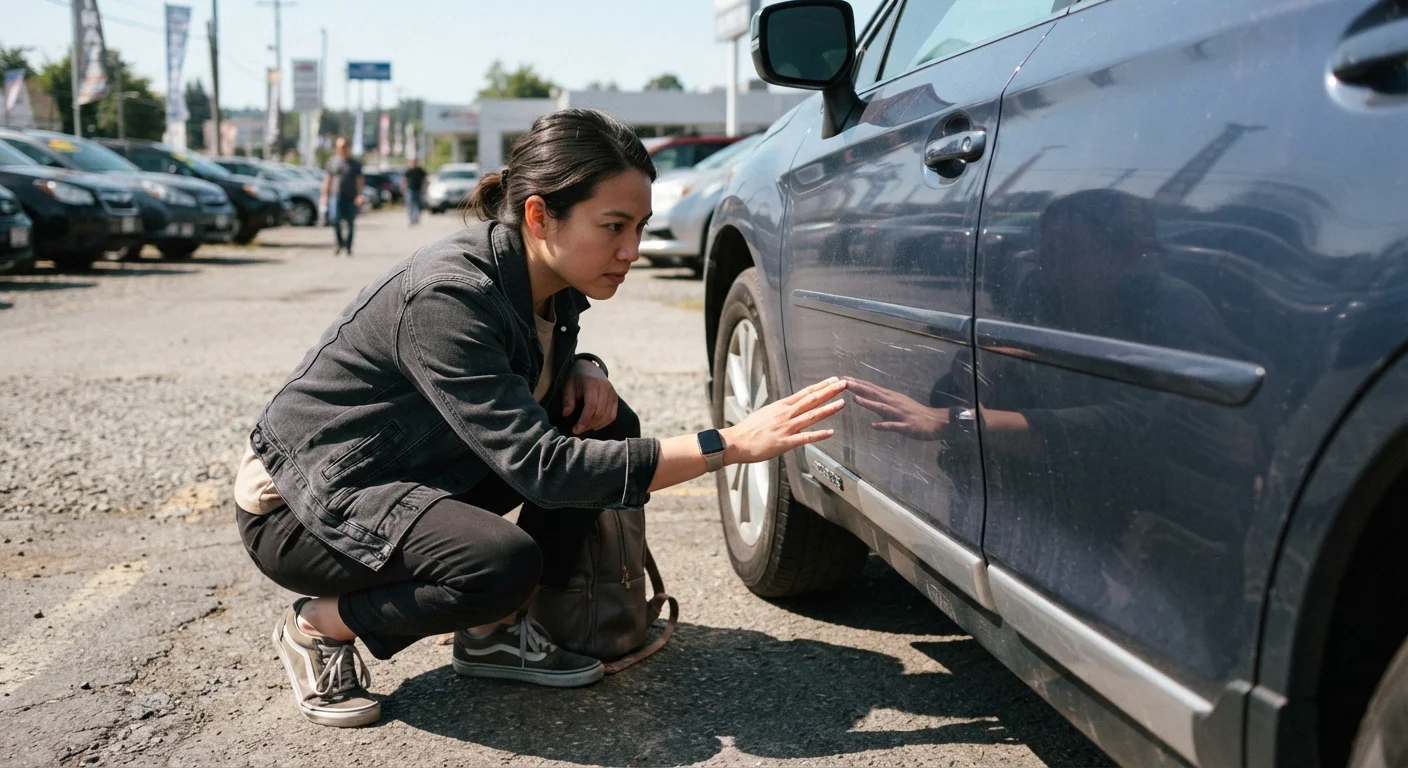
Exterior
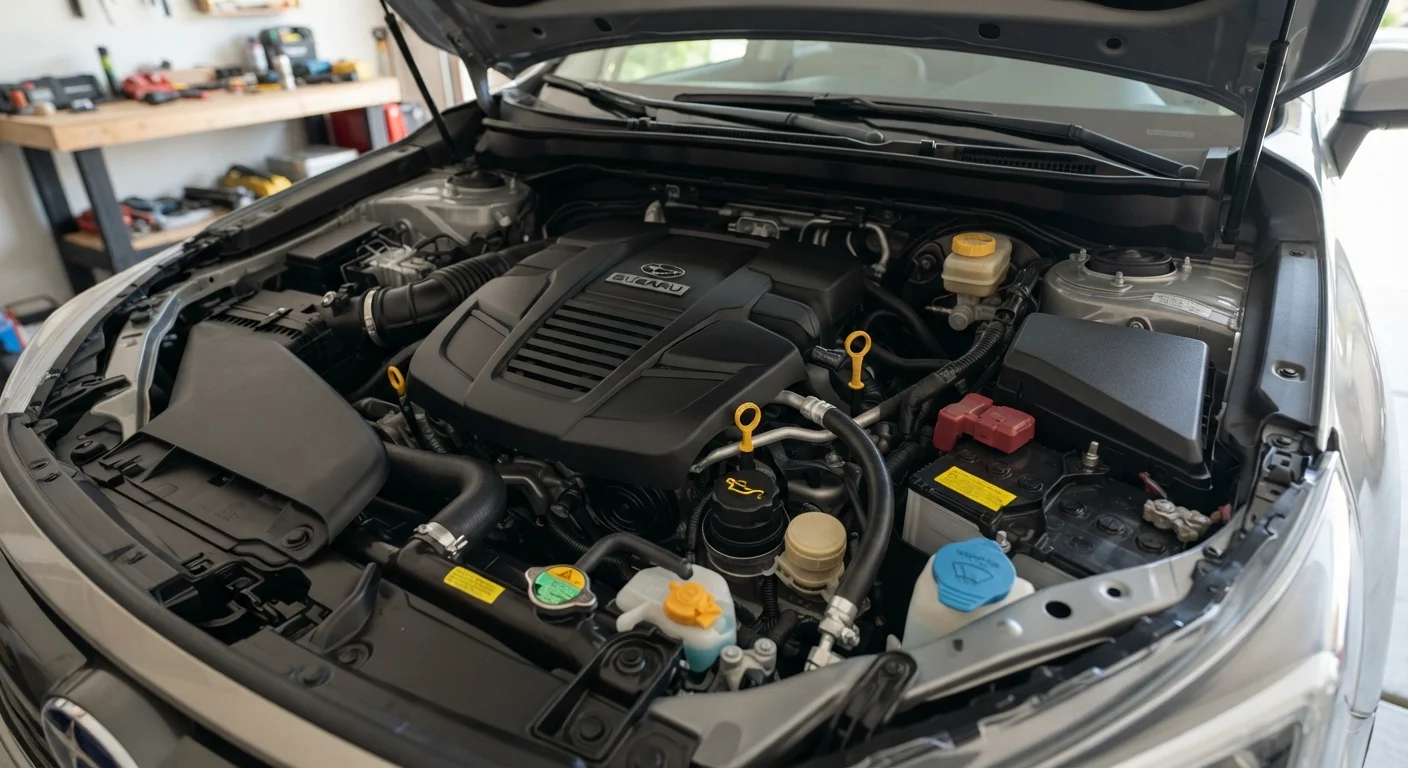
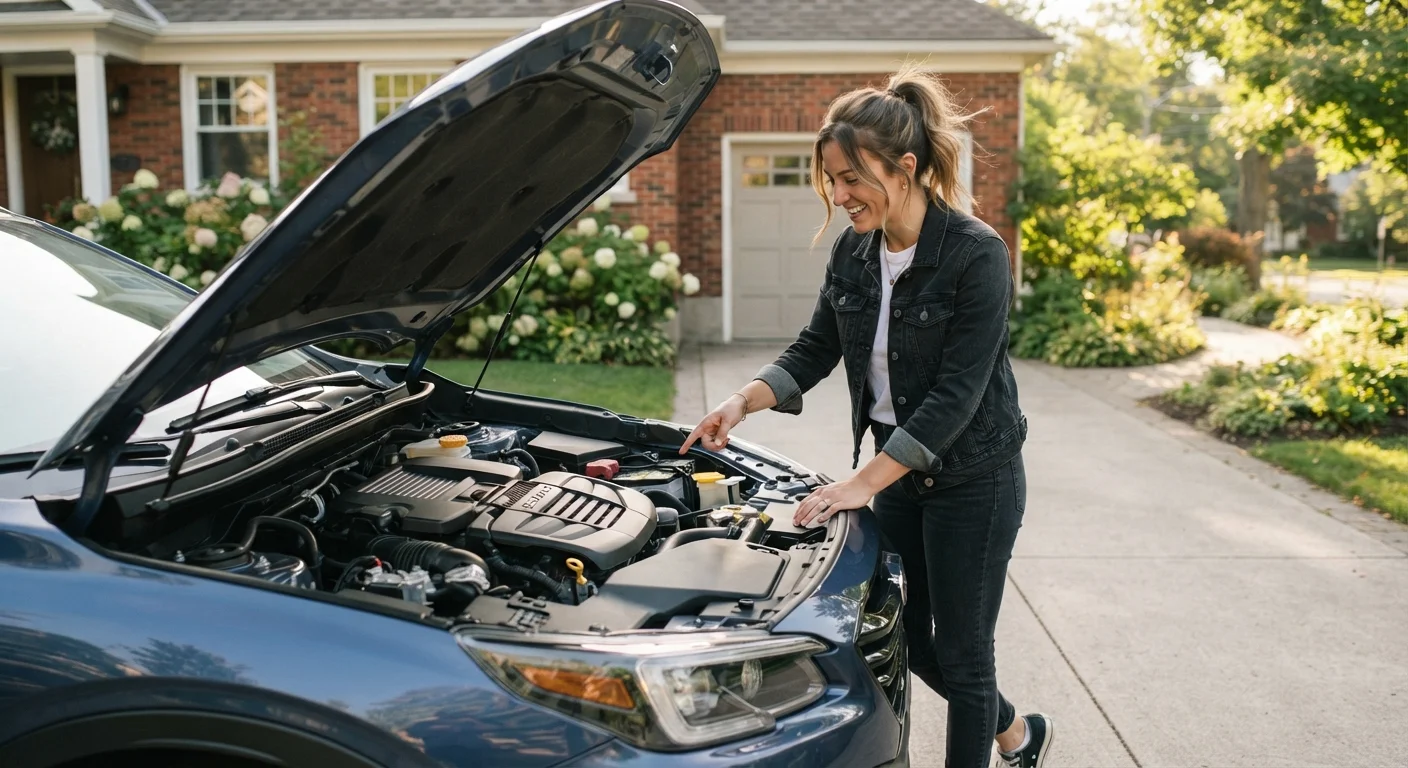
Engine Bay
Interior
Tires, Brakes, and Undercarriage
Test Drive
Don't Skip the Independent Mechanic
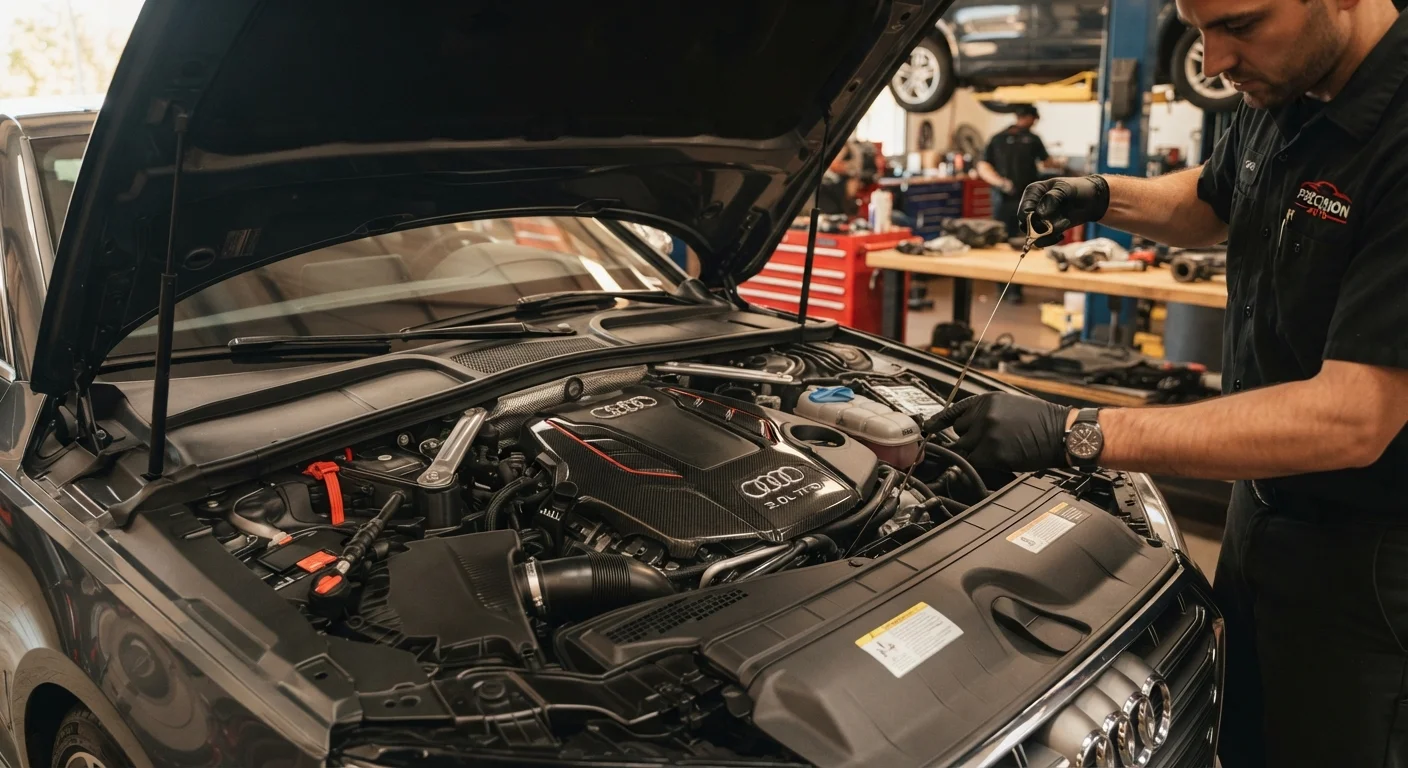
Even a thorough personal inspection has limits. A licensed mechanic can put the vehicle on a lift, assess structural integrity, and run diagnostic scans that go well beyond what the average buyer can evaluate on their own. This step is especially important for higher-mileage vehicles or any car with a history of accidents noted in the vehicle report. Paying for a pre-purchase inspection can save you significantly more than it costs if it reveals a major hidden defect.
Once you've completed this checklist and feel confident in the vehicle's condition, apply the same disciplined thinking to the financial side of the transaction. Our pre-purchase decision checklist can help you evaluate the deal before you sign. After purchase, keep your vehicle in shape with guidance from our car maintenance hub.