What "Certified" Actually Means - and What It Doesn't
The word "certified" sounds reassuring, but it has no single legal definition in the used-car market. Each automaker - and in some cases each dealership - sets its own CPO standards. This means a CPO vehicle from one manufacturer may be meaningfully different in coverage and inspection rigor from a CPO vehicle sold under a different brand's program.
At its core, most manufacturer-backed CPO programs share three elements: a multi-point inspection (commonly 100 to 200+ checkpoint items), reconditioning to bring the vehicle up to a stated standard, and an extended limited warranty that picks up where the original factory warranty left off - or adds coverage on top of it. Some programs also include roadside assistance, a free vehicle history report, and a short return window.
Dealer-certified programs, by contrast, are created and administered by the selling dealership rather than the automaker. These carry fewer uniform standards and considerably less accountability. If a dealer calls a vehicle "certified" without a manufacturer program behind it, treat the term as marketing language and ask specifically what it means in writing. As a general principle, labels rarely tell the full story - the same caution applies in automotive retail.
Manufacturer CPO vs. Dealer-Certified: A Key Distinction
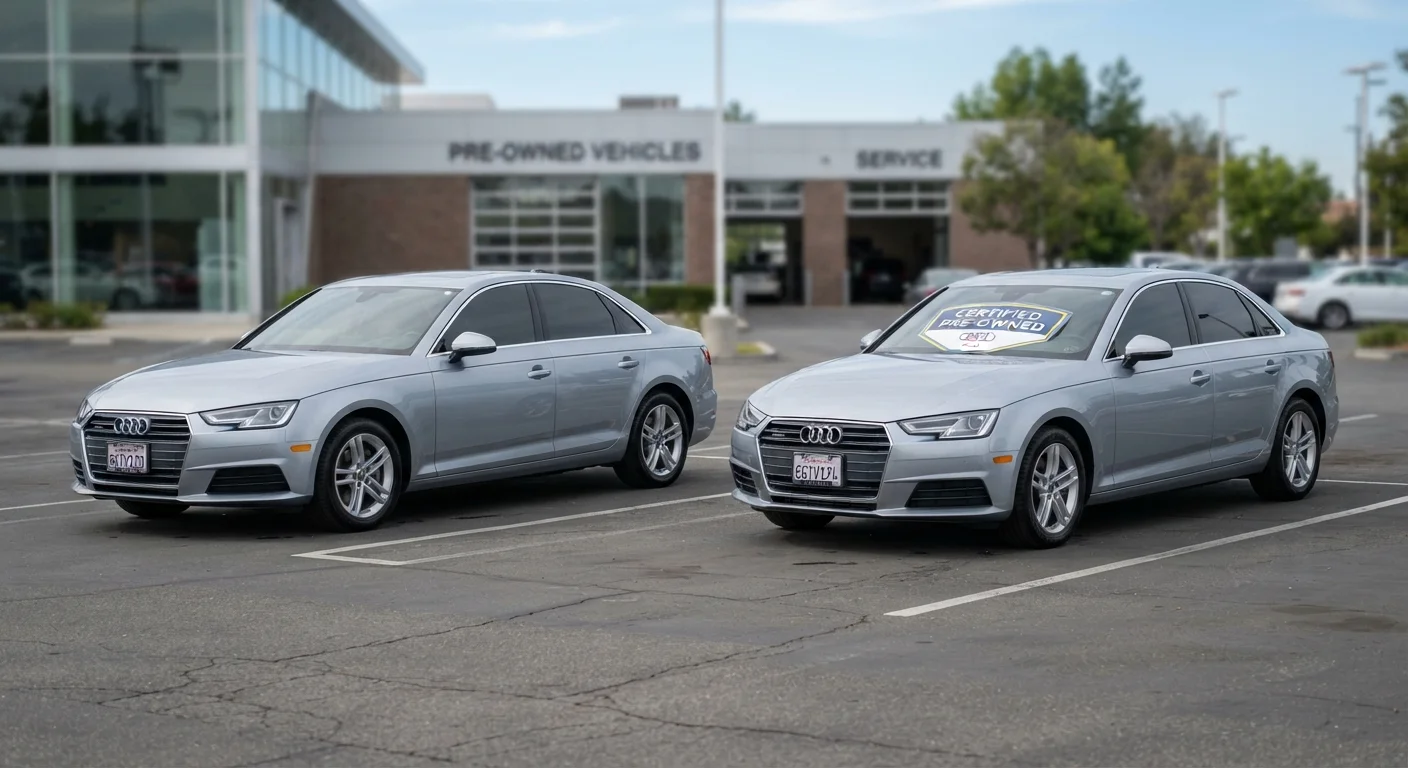
Manufacturer-backed CPO programs are administered by the automaker and typically come with standardized inspection criteria and warranty terms honored at any franchised dealer in the network. Dealer-certified programs, by contrast, are created by individual dealerships and have no manufacturer oversight. When reviewing any CPO offer, ask specifically whether the program is manufacturer-backed and request the full warranty document - not just a summary sheet - before making a decision.
How CPO and Regular Used Vehicles Compare Side by Side
Understanding the structural differences helps you evaluate whether a specific CPO program's premium is worth paying in your situation. The table below reflects general program characteristics - always confirm exact terms with the selling dealer and review the actual warranty contract before signing.
| Criterion | Certified Pre-Owned | Regular Used |
|---|---|---|
| Inspection | Structured multi-point, documented | None required; buyer-arranged optional |
| Warranty | Extended limited warranty included | Sold as-is or with limited dealer warranty |
| Eligibility | Age and mileage cut-offs apply | No restrictions on age or mileage |
| Price | Premium over comparable non-CPO | Generally lower purchase price |
| Roadside assistance | Often included in manufacturer programs | Not included; third-party plans available |
| Vehicle history report | Typically provided by dealer | Buyer must obtain independently |
| Program oversight | Manufacturer or dealer (varies) | None |
One detail buyers often overlook: CPO warranty coverage is usually a limited warranty, not bumper-to-bumper protection. Wear items like brake pads, tires, and wiper blades are almost never covered. Powertrain components typically are, but the specific list of covered systems varies. Reading the contract - not the sales brochure - is the only way to know exactly what you're getting.
For a broader look at how new and used vehicle costs compare overall, see our guide to new versus used trade-offs.
Evaluating a Regular Used Vehicle Without CPO Backing
A regular used vehicle can represent strong value, but the absence of a structured program means the buyer takes on more responsibility. The practical countermeasures are well-established and accessible to most buyers.
Get a vehicle history report. Services that compile title history, reported accidents, odometer readings, and service records are widely available. No report is comprehensive - privately completed repairs often go unreported - but a history report can reveal red flags quickly.
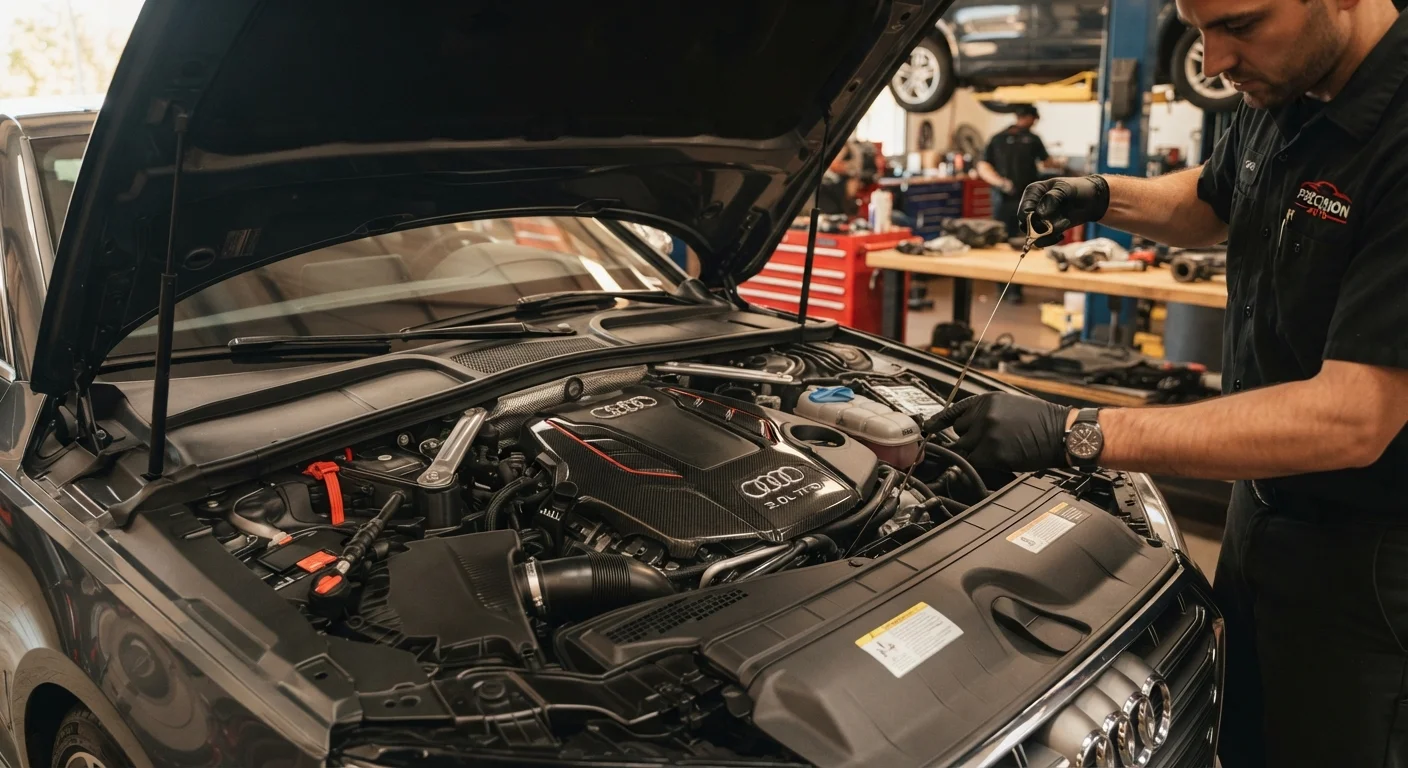
Arrange an independent pre-purchase inspection (PPI). A licensed mechanic who has no stake in the sale can inspect the vehicle on a lift and flag mechanical, electrical, or structural issues that aren't visible during a test drive. This is one of the most cost-effective forms of due diligence available to used-car buyers. Our pre-purchase inspection checklist walks through what to look for at each stage.
Consider the vehicle's age, mileage, and reliability history. Older vehicles or those with high mileage carry statistically higher maintenance costs, regardless of apparent condition. Factor potential near-term repair costs into your total budget - not just the purchase price.
Done carefully, buying a regular used vehicle can be a financially sound decision. The key is replacing the protections a CPO program provides with your own due diligence - and being honest about whether you have the time and resources to do that well. For a broader framework on evaluating quality before committing to any purchase, see The Consumer's Field Guide to Evaluating Quality Before You Buy.