The Core Financial Difference
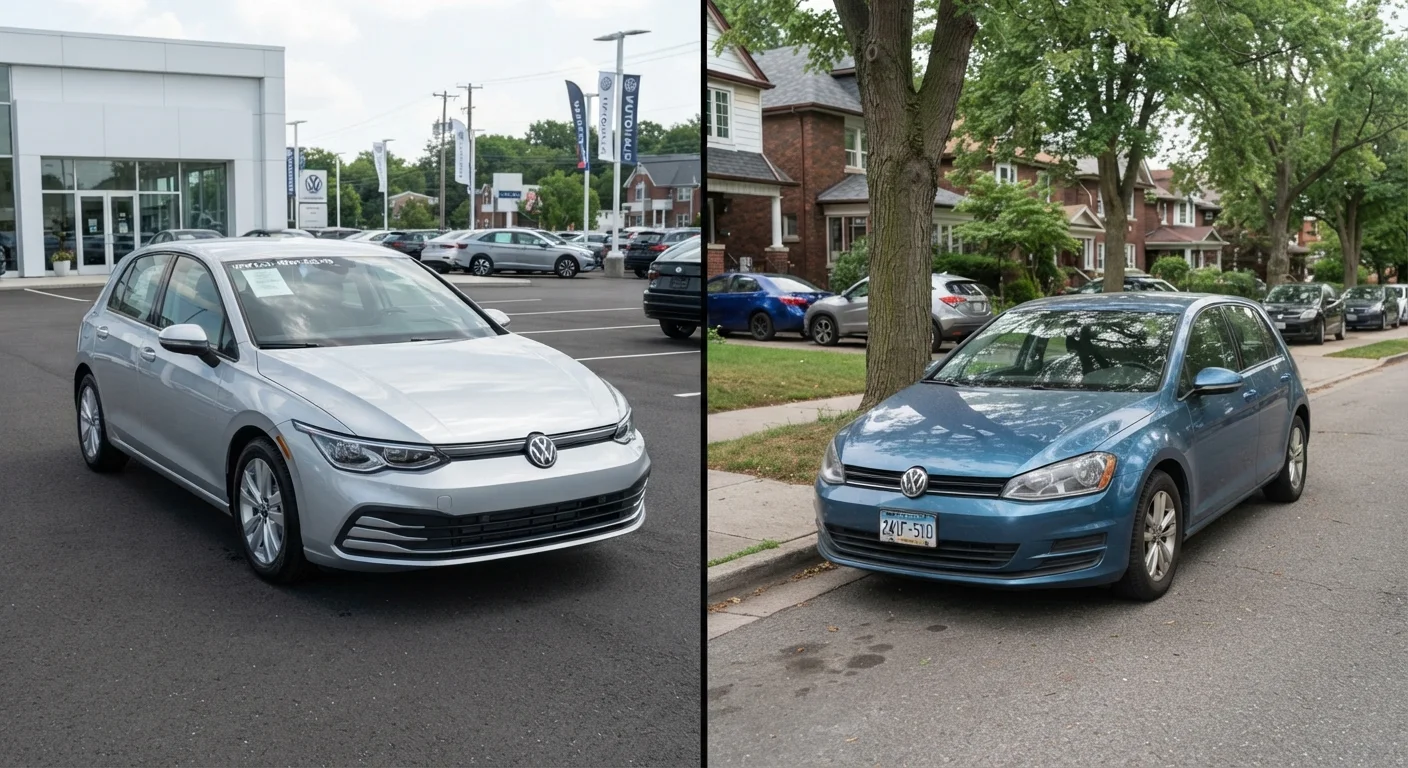
The most immediate distinction between buying new and buying used is price - but the full cost picture is more layered than the sticker suggests. New vehicles carry manufacturer's suggested retail prices (MSRPs) that reflect current production costs and market demand. Used vehicles are priced based on age, mileage, condition, and what comparable vehicles sell for in the local market.
What often surprises buyers is how sharply a new vehicle's value drops in its first year or two. Depreciation is one of the largest hidden costs in car ownership, and buying used means someone else absorbed that initial decline. By purchasing a vehicle that's two to three years old, you may pay significantly less for a car that still has most of its useful life ahead of it.
On the financing side, new car loans typically carry lower interest rates because lenders view them as lower-risk collateral. However, a lower rate on a larger loan can still result in higher monthly payments and more total interest paid than a slightly higher rate on a smaller used-car loan. Running the actual numbers for your situation matters more than comparing rates in isolation.
| Criterion | New Car | Used Car |
|---|---|---|
| Purchase Price | Higher - full retail | Lower - post-depreciation |
| Depreciation Impact | You absorb the first drop | Prior owner absorbed it |
| Manufacturer Warranty | Full coverage included | Expired or limited |
| Financing Rate | Typically lower | Often slightly higher |
| Insurance Cost | Higher premiums | Lower premiums |
| Vehicle History | None - clean slate | Unknown or disclosed |
| Safety Technology | Latest standard features | Varies by model year |
| Customisation Options | Order to specification | Buy what's available |
Reliability, Warranties, and the Risk Factor
A new car comes with a clean slate: no prior accidents, no deferred maintenance, and a full manufacturer warranty typically covering the bumper-to-bumper components for three years or 36,000 miles, and the powertrain for five years or 60,000 miles (terms vary by automaker). That coverage can be genuinely valuable if something goes wrong in the early ownership period.
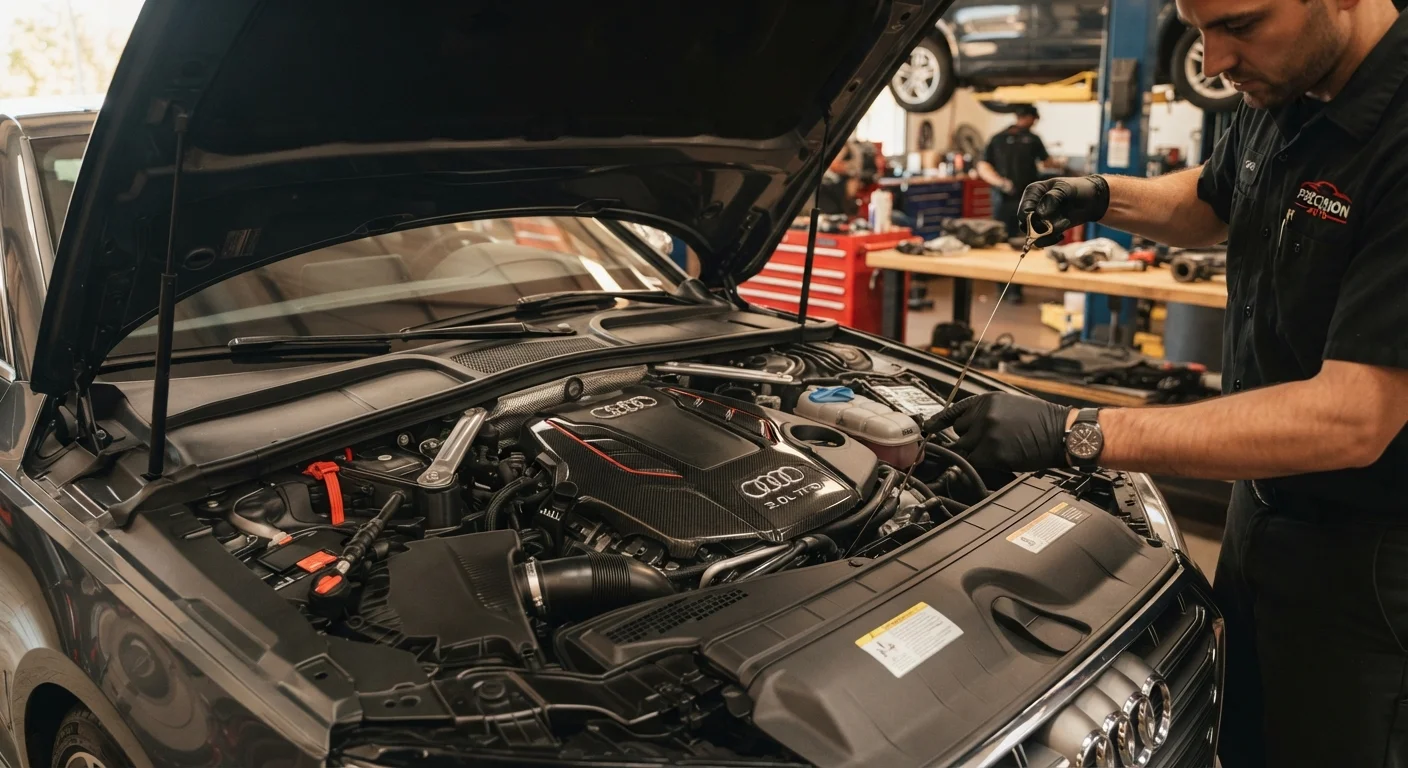
Used cars carry more uncertainty. Even a well-maintained vehicle has wear history that isn't always visible. This is why a pre-purchase inspection by an independent mechanic - not the seller's shop - is a non-negotiable step. Knowing what to look for before you commit can reveal issues that aren't obvious during a test drive.
For buyers who want a middle ground, certified pre-owned (CPO) vehicles are worth understanding. CPO programs vary widely across automakers, so it pays to read what any given program actually covers rather than assuming the label is a blanket guarantee.
~20%
Typical first-year depreciation on a new vehicle
Industry data consistently shows new cars lose roughly 15-20% of their value within the first year, with the steepest drop occurring at the moment of purchase.
3-5 yrs
Typical new-car bumper-to-bumper warranty length
Most major automakers offer between 3 and 5 years of bumper-to-bumper coverage, though powertrain warranties can extend significantly longer depending on the manufacturer.
2-3 yrs
Sweet spot age for used-car value
Automotive analysts frequently note that vehicles aged 2-3 years offer a balance between remaining useful life, available safety features, and post-depreciation pricing.
Ownership Costs Beyond the Purchase Price
Insurance premiums for new vehicles are generally higher because the replacement cost is greater. Comprehensive and collision coverage on a new car will cost more than the same coverage on a five-year-old model. Some buyers underestimate this ongoing expense when comparing purchase prices.
Maintenance costs tend to be lower for newer vehicles in the short term - fewer things are close to end-of-life - but modern cars require less routine maintenance overall than older generations did. A used vehicle approaching 100,000 miles may be due for higher-cost services like timing belt or chain replacement, coolant flush, or brake work, all of which should factor into your total cost calculation.
If you're weighing ownership against other options, the long-term cost comparison between buying and leasing adds another useful dimension - particularly if flexibility matters as much as cost to you. And if you're eventually selling, common trade-in misconceptions can cost you money whether the vehicle is new or used.
When buying used from an individual, be aware that the transaction comes with different protections than buying from a licensed dealer. Understanding those differences before you negotiate helps you avoid surprises with paperwork, warranties, and recourse if problems emerge.