Price: Where Private Sales Usually Win
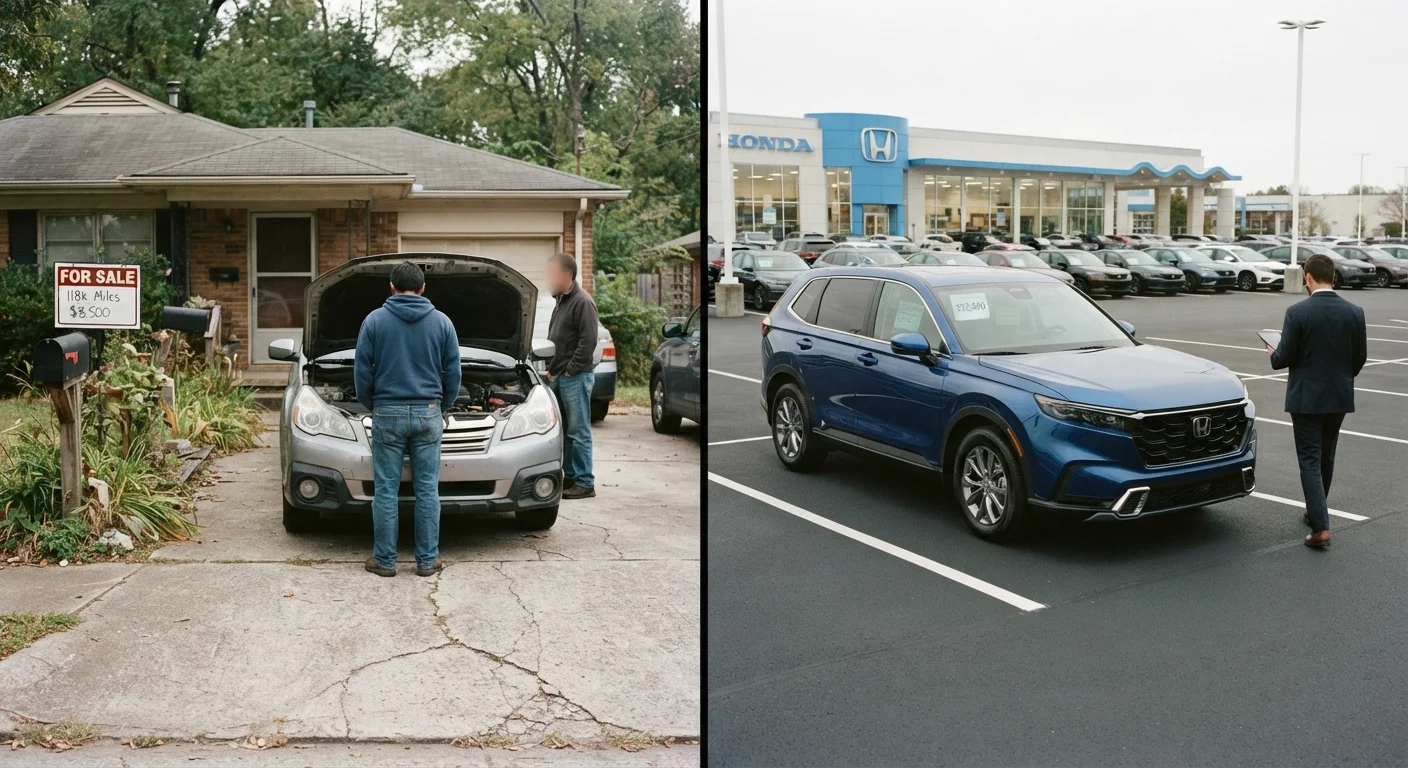
When comparing sticker prices, private sellers almost always come in lower. Dealers carry overhead costs - staff wages, lot maintenance, reconditioning, and profit margins - that get factored into the asking price. A private individual selling their own vehicle has none of those expenses, so the savings can be meaningful, sometimes thousands of dollars on the same vehicle.
That said, lower asking price doesn't always mean a better deal. A private seller may not have addressed mechanical issues, and repair costs after purchase come entirely out of your pocket. Understanding how depreciation affects used car value helps you gauge whether any asking price - private or dealer - reflects true market worth.
Dealers also bundle fees into the final price: documentation fees, dealer prep charges, and sometimes optional add-ons that inflate the total. Always ask for a full out-the-door price before comparing.
| Criterion | Private Seller | Dealership | |
|---|---|---|---|
| Typical Price | Generally lower | Higher due to overhead and fees | |
| Consumer Protections | Minimal - sold as-is | FTC Buyers Guide, state laws apply | |
| Warranty Options | Rarely available | As-is or limited warranty options | |
| Financing | Buyer arranges independently | In-house financing available | |
| Paperwork Handling | Buyer manages most steps | Dealer handles most in-house | |
| Negotiation Environment | Variable, less structured | Trained sales staff, structured process | |
| Vehicle Inspection Access | Buyer must arrange independently | Most allow pre-purchase inspections |
Legal Protections and Accountability
This is where the two routes diverge most sharply. Licensed dealerships are regulated businesses. They must comply with the Federal Trade Commission's Used Car Rule, which requires dealers to display a Buyers Guide disclosing warranty terms on every used vehicle. State lemon laws and consumer protection statutes also apply in most jurisdictions, giving buyers recourse if something goes seriously wrong.
Private sales are generally sold "as-is" with no implied warranty and no regulatory body overseeing the transaction. Once money changes hands and the title is signed over, your legal options are very limited. Suing a private individual in small claims court is possible but rarely worth the effort or expense.
Title Issues Can Haunt You After Purchase
In a private sale, always verify the title is free of liens before handing over money. A lienholder (such as a bank that financed the seller's original purchase) retains legal interest in the vehicle until the loan is paid off. If you buy a car with an outstanding lien, you could face repossession even though you purchased it in good faith. Request a vehicle history report and consider a title search through your state's DMV.
This doesn't mean private sellers are dishonest - most are simply people selling a car they own. But the absence of accountability means the burden of verification falls entirely on the buyer.
Financing, Paperwork, and the Transaction Process
Arranging financing through a dealership is convenient. Dealers work with multiple lenders simultaneously and can often process an approval the same day. That said, convenience doesn't guarantee a competitive rate. Dealers earn a commission on financing they arrange, which can result in a marked-up interest rate. Reviewing dealer financing versus bank or credit union loans before you visit a lot puts you in a stronger negotiating position.
Private sales typically require cash or a cashier's check, though some buyers arrange their own financing through a bank or credit union ahead of time. The paperwork burden also falls more heavily on the buyer - you'll need to handle the title transfer, emissions testing (where required), and registration yourself. Dealers handle most of this in-house.
Get Pre-Approved Before You Shop
Securing a loan pre-approval from your bank or credit union before visiting any seller - private or dealer - gives you a clear budget and a rate benchmark. If a dealership offers financing, you can compare it directly against your pre-approval rather than accepting the first number presented. This single step removes a significant source of pressure from the transaction.
Due Diligence: What Each Route Demands From You
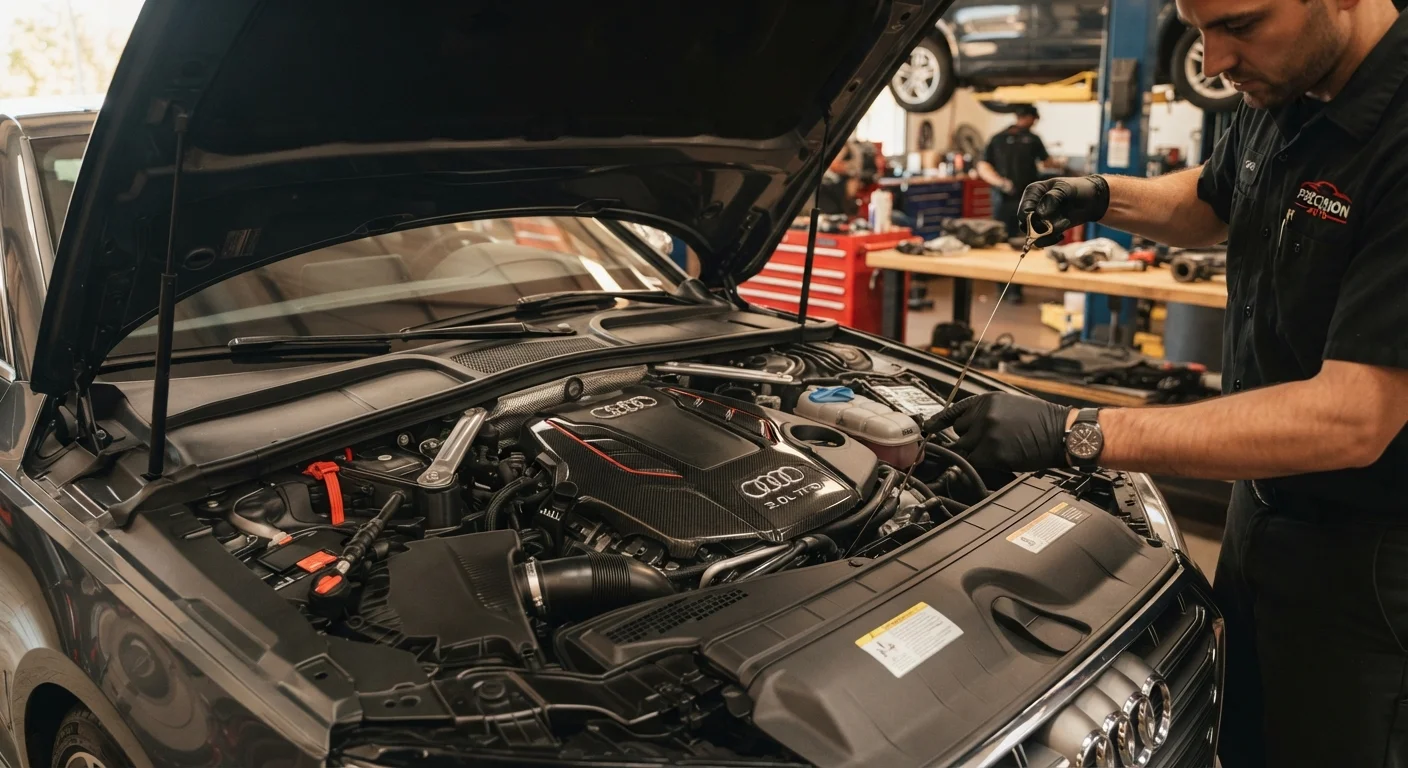
Regardless of which path you take, a thorough pre-purchase inspection is non-negotiable. Dealers may offer certified pre-owned programs with inspection reports, but those reports are produced internally. An independent mechanic inspection is still worthwhile, and most reputable dealers will allow it.
With private sellers, due diligence is even more critical. Run a vehicle history report using the VIN, verify the title is clean and in the seller's name, and never skip a professional inspection. Our pre-purchase inspection checklist covers exactly what to look for before committing to any used vehicle.
Negotiation dynamics also differ. Private sellers are often more emotionally invested in their vehicle and may be less flexible on price, or conversely more motivated to close quickly. Dealership negotiations involve trained sales staff - understanding common dealership pricing tactics helps you stay grounded during that process.