
Start With Research, Not the Lot
The single biggest mistake first-time buyers make is walking onto a dealership lot before they've done any homework. Arriving unprepared puts the advantage firmly on the other side of the negotiating table. Before you visit a single showroom, spend time online understanding what type of vehicle fits your actual needs - daily commute length, passenger capacity, cargo requirements, and fuel costs all matter.
Decide early whether new or used is right for your situation. Each path has genuinely different financial and reliability trade-offs. Our guide on new vs. used car trade-offs walks through those differences in detail. If you've never bought a car before, this first-timer's orientation is an ideal starting point. Once you've narrowed to a few candidates, look up their typical market value using publicly available pricing tools so you arrive knowing what fair looks like.
Know Your Budget Before You Shop
Budget clarity prevents the most common form of buyer's remorse. Determine the total amount you can responsibly spend - not just what monthly payment feels manageable. Dealers are skilled at stretching loan terms to make expensive vehicles feel affordable on paper, but a longer loan means more interest paid overall.
Factor in costs beyond the sticker price: sales tax, registration fees, dealer documentation fees, insurance, and ongoing routine maintenance. A useful rule of thumb from personal finance guidance is that total vehicle expenses - loan payment, insurance, fuel, and maintenance - should stay within roughly 15-20% of your monthly take-home pay. That said, your own financial picture is what matters most, and a licensed financial adviser can help you establish the right ceiling for your circumstances.
Also consider how depreciation affects your purchase. Vehicles lose value the moment they leave the lot, and understanding that curve can meaningfully influence whether you buy new, certified pre-owned, or used. How depreciation works is worth reading before you commit to any vehicle type.
Separate Your Trade-In From the New Purchase
If you're trading in a vehicle, negotiate the purchase price of the new car first - completely - before introducing the trade-in. Mixing the two transactions gives a dealer more variables to adjust, making it harder to assess whether either deal is actually fair.
Securing Financing in Advance
Getting pre-approved for an auto loan through your bank or credit union before stepping foot in a dealership is one of the most effective moves a buyer can make. Pre-approval tells you exactly what interest rate and loan amount you qualify for, giving you a concrete baseline to compare against any financing the dealer offers.
Dealer financing is not inherently bad - sometimes it's genuinely competitive - but you can only evaluate it fairly if you already have an outside offer in hand. The structural differences between dealer-arranged financing and outside lenders are worth understanding before you sign anything; our article on dealer vs. bank financing covers exactly that. Your credit score plays a direct role in the rates you'll be offered, so check your credit report for errors before applying.
Apply for pre-approval at two or three lenders within a 14-day window - credit bureaus typically treat multiple auto loan inquiries within that period as a single hard inquiry, minimizing the impact on your credit score.
Rate shopping is encouraged by the major credit scoring models, which use a 'deduplication window' for auto loan applications made close together in time.
If a dealer's financing offer is close to your pre-approval rate, ask them to beat it by a quarter point - the competitive dynamic often produces a better final rate than either offer alone.
Dealers earn a yield spread on loans they originate, giving them some flexibility to adjust the rate while still profiting from the arrangement.
The Test Drive and Vehicle Inspection
A test drive is non-negotiable, even if you've driven the same model before. Drive the specific vehicle you intend to buy, on a route that includes highway speeds, city stops, and ideally a rough road or two. Listen for rattles, test the brakes firmly, check that all electronics work, and assess visibility from the driver's seat.
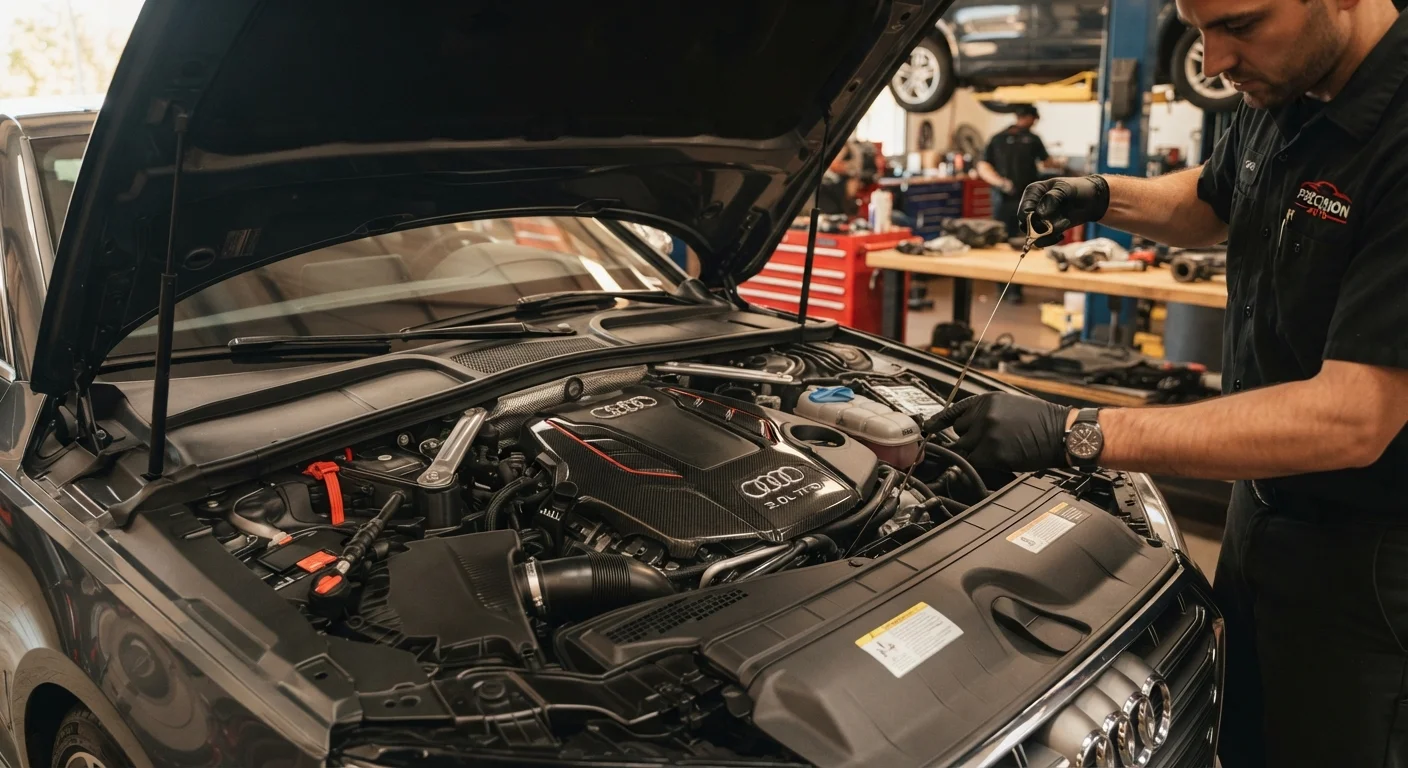
For used vehicles, a pre-purchase inspection (PPI) by an independent, qualified mechanic is one of the smartest investments you can make. Budget roughly $100-$200 for this service - it can surface hidden mechanical issues that a visual inspection or test drive won't reveal. Always request a vehicle history report for any used vehicle; these documents show accident history, title status, odometer readings, and prior ownership.
Negotiating the Price
Focus your negotiation on the out-the-door price - the final total you'll actually pay including all fees and taxes - not the monthly payment. Monthly payment negotiations make it easy to lose track of the vehicle's true cost, since changes to loan term or interest rate can move the payment number without touching the purchase price.
Know the vehicle's fair market value going in, and let that anchor your opening offer. If the vehicle is in high demand, expect less flexibility; if it's been sitting on the lot, there's often more room. Be willing to walk away - it's the most powerful tool a buyer has. Common dealership patterns that push buyers above fair value are documented in our piece on why buyers overpay at the dealership, and recognizing them in real time can save you real money.
The Finance and Insurance Office
After agreeing on a vehicle price, you'll be directed to the Finance and Insurance (F&I) office to complete the loan paperwork and sign the contract. This is also where dealerships commonly offer a range of add-on products: extended warranties, paint protection, GAP insurance, credit life insurance, and tire-and-wheel protection packages, among others.
Some of these products have genuine value depending on your situation; others are available more affordably through third parties or your existing insurance provider. The key discipline here is to evaluate each item on its own merits, not as part of a bundle, and to feel no pressure to decide immediately on the spot. Review every line of the contract carefully. Confirm the interest rate, loan term, and total amount financed match what was discussed. If anything differs from what you agreed to verbally, ask for a clear explanation before signing.
Never Sign a Contract You Haven't Read in Full
The F&I office can feel rushed, but every document you sign is legally binding. Take the time to read each page, confirm that all numbers match what you negotiated, and do not let time pressure push you past a term or fee you don't understand. A legitimate dealer will always allow you time to review before signing.
Finalizing the Deal and Taking Delivery
Before you drive away, walk through the vehicle one final time with the salesperson. Confirm that every feature you were promised is present and working, that the fuel tank is full (standard practice at many dealers for new vehicles), and that you receive all keys, manuals, and any accessories included in the sale.
Ensure you have proof of insurance arranged before taking delivery - most states legally require it before you can operate the vehicle on public roads. Ask about the registration and title timeline; in some states the dealer handles this directly, while in others you'll need to visit a DMV office. Once you have the keys, take time to familiarize yourself with the vehicle's controls, safety features, and recommended maintenance schedule. If you're considering leasing rather than buying in the future, our explainer on how leasing works lays out the key differences in structure and cost.