Why the Early Miles Matter Most
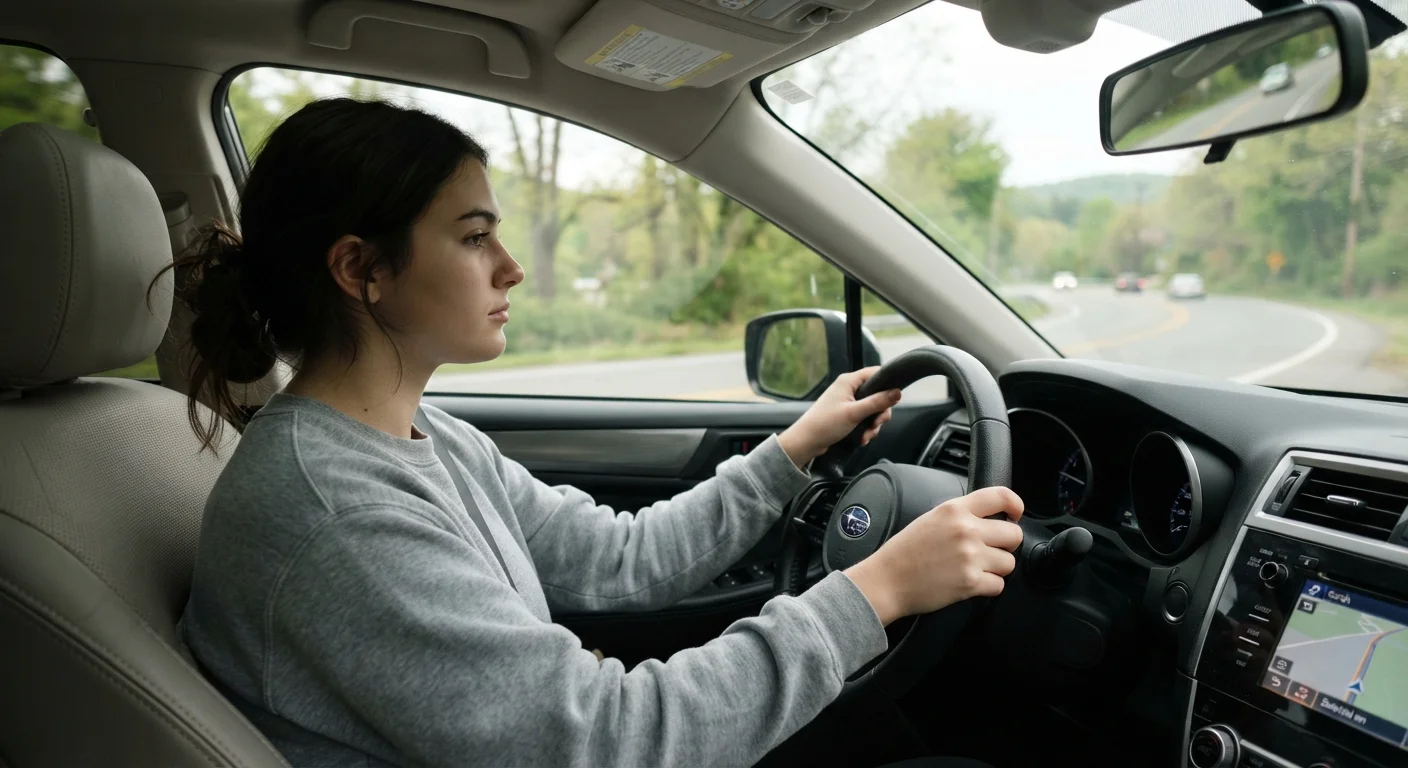
Driving is a skill, and like most skills, the patterns established during early practice have an outsized influence on long-term performance. Studies from traffic safety organizations consistently show that crash rates are highest in the first months after a new driver earns their license - not during the learner's permit phase when an adult is present, but immediately after, when independence arrives.
This matters because the brain is still developing during adolescence, particularly the regions that govern risk assessment and impulse control. Combined with limited behind-the-wheel experience, that makes new teen drivers statistically more vulnerable to preventable crashes than any other age group. The good news is that awareness of this gap is itself a form of protection - and deliberate habit-building closes it faster than time alone.
Graduated Driver Licensing (GDL)
A staged system most U.S. states use that gradually increases a new driver's privileges - moving from a supervised learner's permit to a restricted license, then a full license - as experience and demonstrated safety build.
Following distance
The gap between your vehicle and the one ahead of you, typically measured in seconds. A minimum three-second following distance gives most drivers enough time to react and stop safely.
Cognitive distraction
A form of distraction where your mind is occupied with something other than driving - even if your eyes are on the road. Phone conversations, even hands-free, are a common source.
Hazard perception
The ability to spot potential dangers on or near the road early enough to respond safely. This skill develops with experience and is one of the key differences between new and seasoned drivers.
Restricted license
The intermediate stage in most GDL programs, where a teen can drive independently but under certain limitations - such as no driving after a set hour or a cap on how many passengers are allowed.
Core Habits Every New Driver Should Build
Safe driving isn't about following a checklist in the moment - it's about internalizing behaviors until they become automatic. The following habits are worth building from the very first solo drive:
- Seatbelt first, every time. Buckle up before starting the engine, and make it non-negotiable for every occupant. This single habit remains one of the most effective life-saving actions available to any driver.
- Phone away while moving. Handheld and hands-free phone use both divert cognitive attention from the road. A message can wait; a moment of inattention at speed cannot be undone.
- Maintain a following distance of at least three seconds. Count from when the car ahead passes a fixed point. New drivers often follow too closely because they underestimate how long it takes to stop.
- Scan well ahead, not just immediately in front. Experienced drivers read traffic 10-15 seconds ahead. New drivers tend to fixate close to the hood, which reduces reaction time.
- Adjust for conditions. Rain, darkness, fog, and heavy traffic all demand slower speeds and increased following distance. Posted speed limits reflect ideal conditions, not adverse ones.
For guidance on driving after dark specifically, see our article on night driving habits.
Make Pre-Drive Checks a Ritual
Before pulling out, take five seconds to check mirrors, adjust the seat, and confirm all occupants are belted. Doing this in the same order every time builds a consistent pre-drive routine that reduces the chance of overlooking something important. This habit costs almost no time but pays off across a lifetime of driving.
Common Mistakes New Drivers Make
Understanding where new drivers commonly go wrong is just as useful as knowing what to do right. These are the patterns that lead to the most preventable incidents:
- Overconfidence after early success
- A few weeks of smooth driving can create a false sense of mastery. Challenging conditions - wet roads, freeway merging, unfamiliar areas - require skills that take longer to develop.
- Yielding to peer pressure inside the vehicle
- Passengers who encourage speeding, risky maneuvers, or distracted behavior put the driver in a difficult social position. Establishing a personal rule - the driver's comfort and judgment always take priority - should happen before passengers are ever in the car.
- Ignoring vehicle maintenance basics
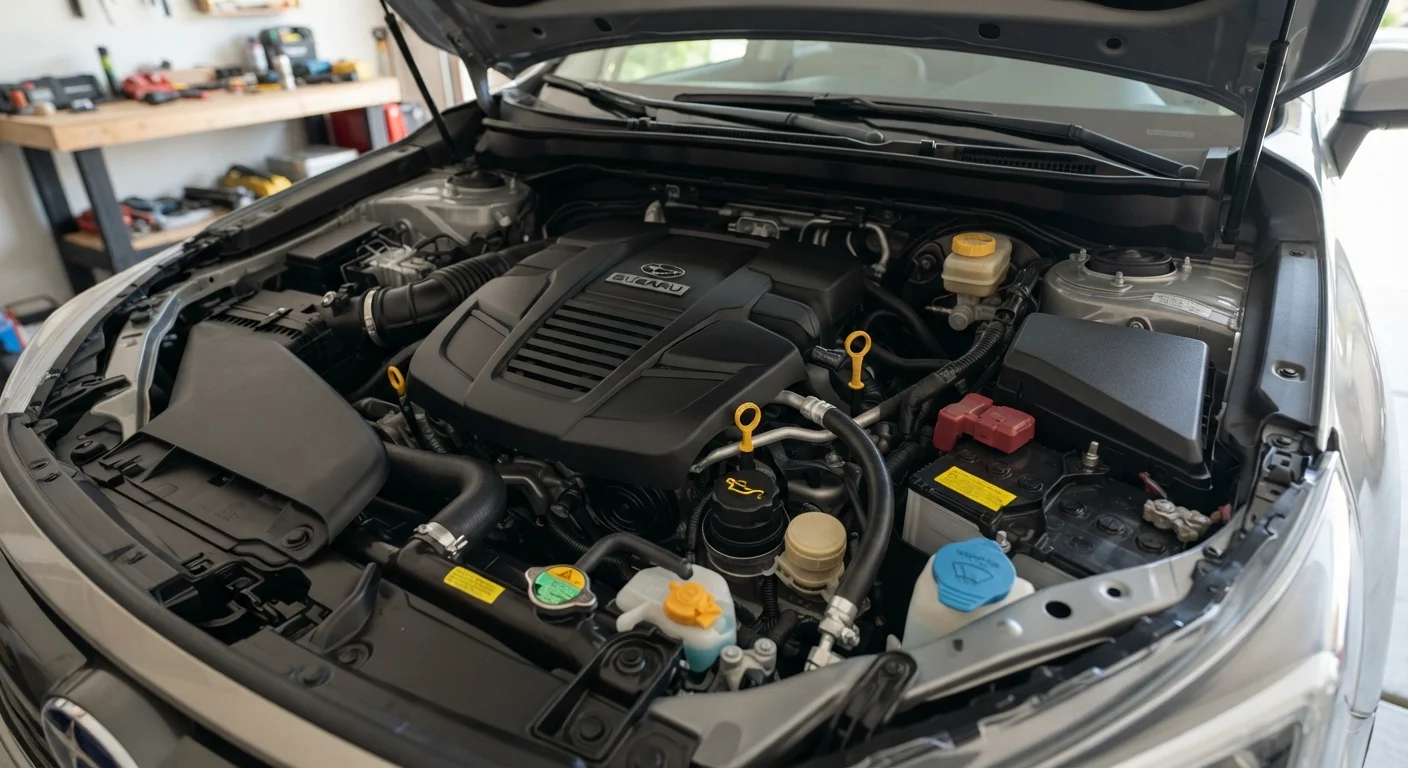
- Low tire pressure, worn wiper blades, or a warning light left unaddressed are safety issues, not just inconveniences. New drivers who understand basic vehicle care are better equipped to catch problems before they become dangerous. Our car maintenance guide for new drivers is a practical starting point.
Overconfidence Is a Real Risk Factor
Traffic safety data consistently shows a spike in crash involvement several months after a new license is issued - often because early success breeds complacency. If you're a new driver who has had a few smooth weeks, that's a sign to stay disciplined, not to relax your guard. Conditions on the road can change faster than confidence justifies.
How Families Can Support Safer Driving
Parents and guardians have more influence over teen driving safety than most realize - and that influence extends well beyond the permit phase. Research published by road safety organizations suggests that teens whose parents actively discuss driving rules and model safe behavior are measurably safer on the road.
Practical steps families can take include:
- Establishing a clear family driving agreement that covers curfews, passenger limits, phone use, and consequences - in writing, before the license is issued.
- Continuing to ride along occasionally even after the teen drives independently, offering calm, specific feedback rather than reactive criticism.
- Modeling the behaviors you expect. A parent who texts at red lights or skips the seatbelt on short trips is communicating that those rules are optional.
- Keeping lines of communication open so a new driver feels comfortable calling for help rather than pushing through an unsafe situation.
When to Expand Your Driving Range
Gaining experience across a variety of driving conditions is essential - but sequencing matters. New drivers should progress through environments roughly in this order: quiet residential streets, busier arterial roads, multi-lane roads, then highway driving. Each step introduces new variables that require new skills.
A useful rule of thumb: if a new driver can consistently handle a familiar route without coaching or correction, they're ready to introduce one new variable at a time - a new road type, a different time of day, or different weather conditions. Stacking multiple new factors simultaneously is where difficulty spikes.
When highway driving becomes the next step, preparation pays off. Our complete highway driving guide covers everything from merging and lane changes to handling a breakdown safely. And for those approaching the point of purchasing their own vehicle, our first-timer's guide to car shopping is a sound place to begin.
The goal is a driver who is skilled, not just licensed - and that's built one deliberate mile at a time.