Why Night Driving Demands a Different Approach
According to the National Safety Council, traffic fatality rates are roughly three times higher at night than during the day - even though fewer vehicles are on the road. The core reason is straightforward: human vision is built for daylight. After dark, your field of view narrows dramatically, depth perception weakens, and the ability to distinguish color and contrast drops significantly.
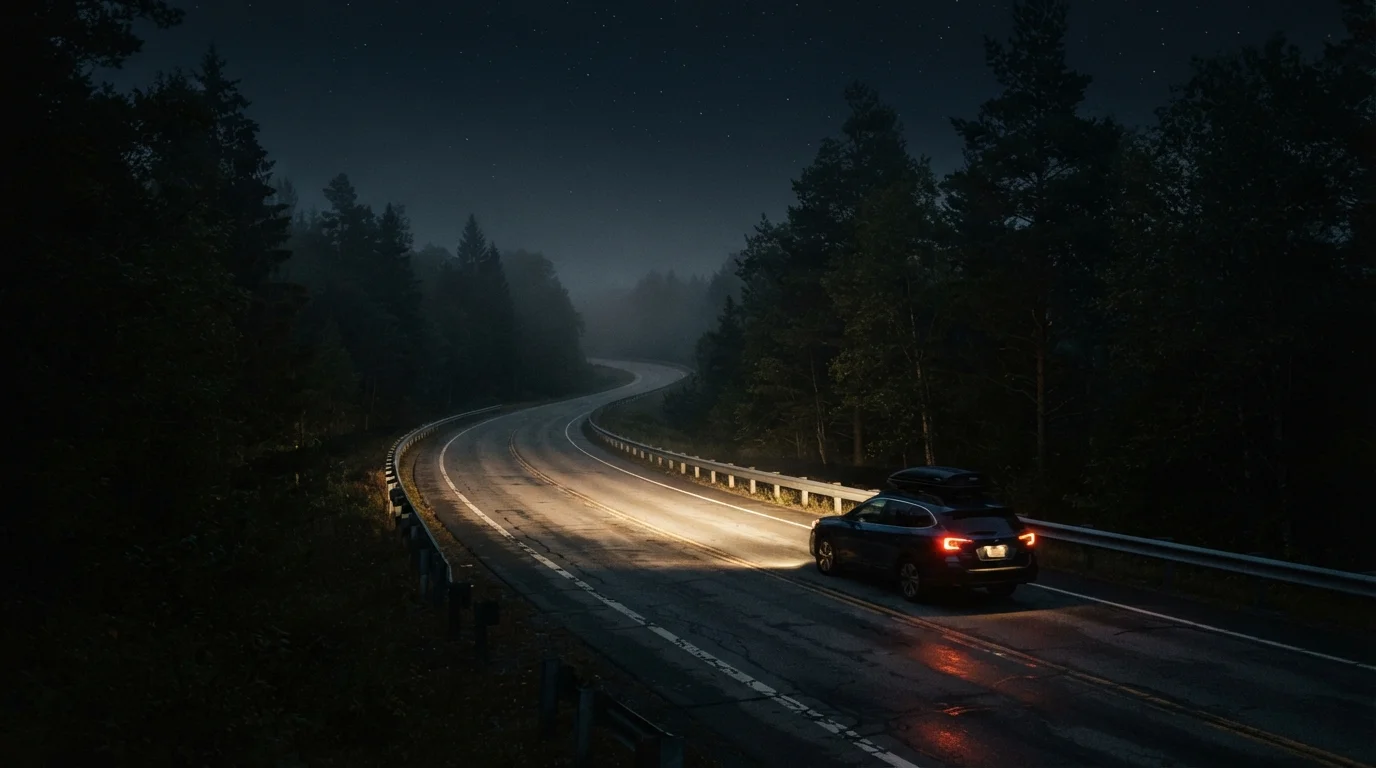
Standard headlights typically illuminate about 160-250 feet ahead, but at highway speeds your stopping distance can exceed that. This gap between what you can see and what you need to stop safely is often called the "overdriving your headlights" problem - and it catches many drivers off guard. Add in the risk of fatigued or impaired drivers sharing the road at night, and it becomes clear why after-dark travel requires a deliberate shift in habits rather than simply turning on your headlights and proceeding as usual.
The good news is that specific, practical adjustments can close that risk gap considerably. None of them require special equipment or advanced training - just informed awareness and consistent practice.
Best Practices for Safer Night Driving
The following habits address the most common failure points drivers encounter after dark. Taken together, they form a reliable framework for reducing your exposure to the risks that make night driving statistically more dangerous.
Slow down to match what your headlights can actually illuminate
Driving faster than your headlights allow means you may not have enough distance to stop if an obstacle appears. This is especially true on unlit rural roads where animals, debris, or stopped vehicles can appear with almost no warning.
Increase your following distance to at least three to four seconds after dark
Reduced visibility and slower reaction times at night mean the standard two-second following distance leaves little margin for error. Adding extra buffer gives you more time to perceive hazards and respond. Our article on following distance explains exactly why two seconds often falls short.
Use high beams on open roads but switch to low beams promptly when traffic approaches
High beams can roughly double your visibility range on dark, unlit roads. However, failing to dim them for oncoming drivers or vehicles ahead causes temporary blindness - a serious hazard that is also illegal in most states.
Scan farther ahead and use the right edge of the road as a guide in oncoming glare
Looking directly at oncoming headlights causes temporary loss of night-adapted vision. Training your eyes to look further down the road and toward the right lane marking helps you maintain your path without fixating on the glare source.
Eliminate interior distractions and reduce cabin light levels
Bright displays, dome lights, or a passenger using a phone or tablet can compromise your night vision and draw your focus inward. Lowering interior brightness helps your eyes maintain adaptation to darkness outside.
Watch for pedestrians, cyclists, and wildlife beyond the lit road surface
Pedestrians and cyclists on the roadside are far less visible at night, particularly when wearing dark clothing. Wildlife is also most active around dawn and dusk. Anticipating their presence in areas where they're common reduces your response time.
Managing Fatigue Before and During Night Trips
Drowsiness is one of the most underestimated dangers of night driving. Your body's natural circadian rhythm dips in the late-night and early-morning hours, making it harder to stay alert regardless of how much sleep you got the night before. Critically, many drivers don't accurately perceive how impaired their reaction time and judgment have become when fatigued.
Warning signs worth taking seriously include frequent yawning, heavy eyelids, drifting between lanes, missing exits, and difficulty remembering the last few miles driven. If any of these appear, the most effective response is to pull off the road safely and rest - even a short nap of 20 minutes can meaningfully restore alertness. Strategies like turning up the radio or opening a window offer only brief, unreliable relief.
For longer night trips, plan your route to include rest stops every two hours or 100 miles as a baseline. If you're traveling with a licensed co-driver, rotating at the wheel can help both of you stay sharper. See our guide on fatigue and driving for a closer look at how drowsiness affects reaction time and what strategies genuinely help.
Recognize Drowsiness Early - Don't Negotiate With It
Most drowsy drivers underestimate how impaired they are. If you notice yourself yawning repeatedly, losing track of recent miles, or drifting in your lane, treat it as a serious signal - not something to push through. Pulling over at a safe, well-lit location and resting is the only reliable fix. Caffeine can help temporarily, but it's not a substitute for sleep on a long night drive.
Before You Head Out: Preparation That Pays Off
Much of what makes a night drive safer happens before you turn the key. A few minutes of preparation can dramatically reduce the chances of an avoidable incident.
Start with your lights. Clean headlight lenses - cloudy or yellowed plastic can reduce light output by more than 50% - and verify that all exterior lights are functioning, including taillights, brake lights, and turn signals. If your headlights seem dim even when clean, a mechanic can check whether they are properly aimed; misaligned headlights reduce visibility for you and can blind oncoming drivers.
Inside the cabin, reduce dashboard brightness and eliminate reflective surfaces that cast glare on the windshield. A clean windshield is critical: smears and film that are barely noticeable in daylight create significant glare at night from oncoming headlights. Check your wiper blades while you're at it.
For pre-trip preparation that covers more than just lights, the Before Every Long Drive checklist walks through tires, fluids, and other essentials worth verifying before any significant journey.