
Why Stores Work Against Your List
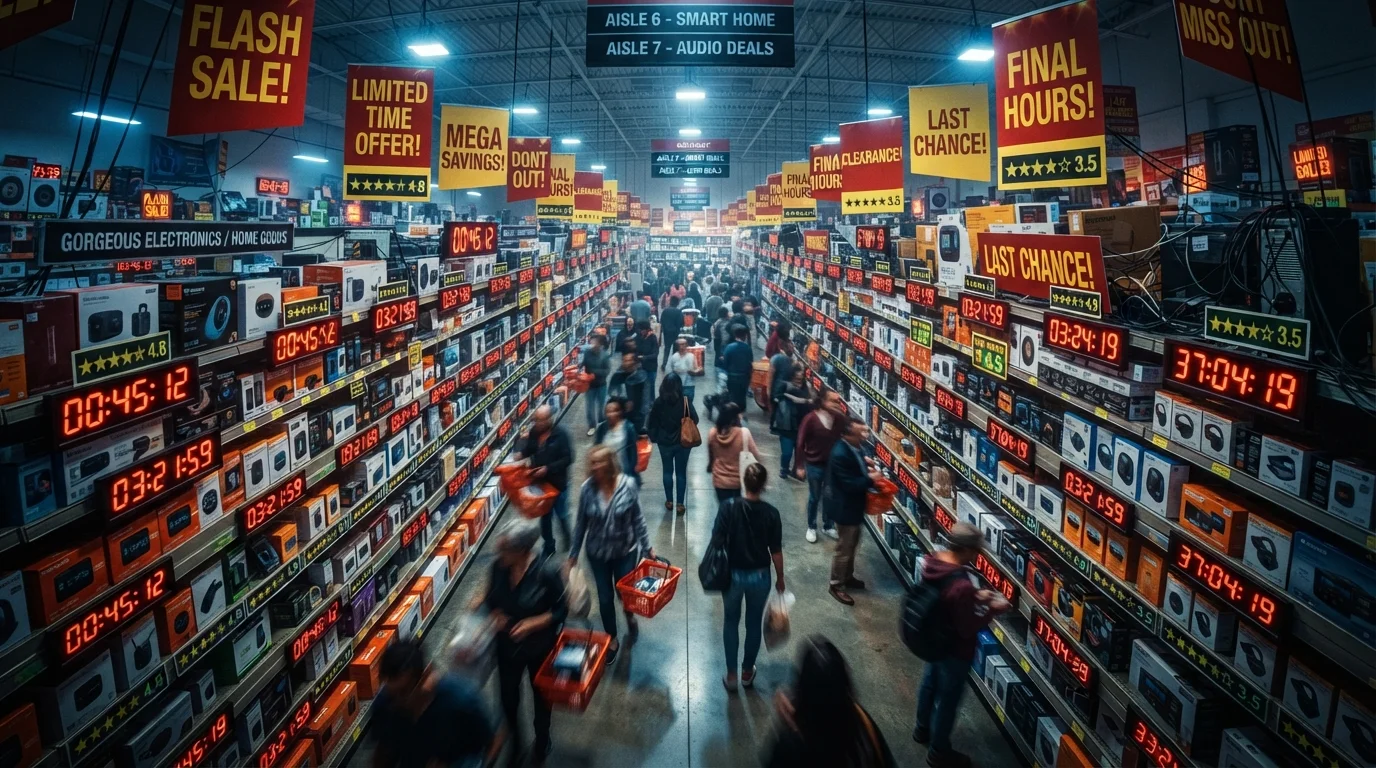
Modern retail environments are not neutral spaces. Store layouts are deliberately engineered to maximize exposure to high-margin products — that's why essentials like milk and bread are typically placed at the back of a grocery store. End-cap displays, strategic lighting, and curated scent profiles are all documented techniques retailers use to slow you down and increase the likelihood of an unplanned addition to your cart.
Understanding that these tactics exist — and are intentional — is a meaningful first step. If you want to go deeper on the behavioral science behind it, the retail psychology tactics that shape what you buy article breaks down exactly how store design influences decision-making. For now, the practical question is: what can you actually do about it?
What you will need
How to Stay on Your List: Step-by-Step
These steps work together as a system. Skipping one or two weakens the whole approach, so treat them as a complete routine rather than a menu of options.
Build your list by category, not by thought
Organize your list by store section — produce, dairy, dry goods, household — rather than writing items as they occur to you. A categorized list keeps you moving in one direction through the store, reducing the time spent in aisles you don't need and limiting exposure to unplanned products. If you shop the same store regularly, organize your list to match the store's layout.
Eat before you go
Shopping while hungry is consistently associated with higher spending on food items, including items you wouldn't normally buy. This isn't a myth — it reflects how physiological state affects decision-making. A light meal or snack before you leave the house costs you almost nothing and meaningfully changes what ends up in your cart.
Set a time limit and stick to it
Give yourself a specific window — say, 25 minutes — to complete the trip. A time constraint keeps you focused and moving, which is the opposite of what a retail environment is designed to encourage. A slow browse through a store is an invitation for unplanned spending. You don't need to rush, but purposeful movement helps. Time pressure affects purchasing decisions in both directions — use self-imposed limits to your advantage.
Use a basket instead of a cart when practical
Cart size influences how much people buy. A large, mostly empty cart creates a psychological prompt to fill it. When your trip involves 10 items or fewer, use a hand basket. The physical constraint reinforces the mental one. This isn't always practical for large hauls, but for quick trips it's one of the simplest friction points you can add to the process.
Check off items as you collect them
Actively marking items off your list — rather than just glancing at it — keeps your attention anchored to what you came for. Each check-off is a small completion signal that reinforces forward momentum. When you reach the register, a fully checked list also makes it easy to confirm you haven't missed anything, so you don't have to make an extra trip that could lead to additional spending.
Leave loyalty apps closed until checkout
Retailer apps are designed to surface deals and promotions while you shop — which can redirect your attention from your list to items you didn't plan to buy. If you use a loyalty app for points or receipts, open it only at the register, not while you're in the aisles. The same applies to in-store browsing of weekly ads on your phone.
What to Do When You Still Want to Add Something
Even with the best preparation, something will catch your eye. That's not a failure — it's an expected outcome of shopping in an environment designed to make that happen. The key is having a response ready before it happens.
Use a 10-minute rule: if you encounter something not on your list, don't put it in your cart immediately. Instead, note it down (phone or paper) and continue shopping. Revisit the item only if you still want it and can afford it without displacing a listed item. Most of the time, the desire fades before you circle back. This isn't about deprivation — it's about giving your rational thinking a chance to catch up with the initial reaction. For more on why that first reaction feels so compelling, see why impulse purchases feel so compelling.
If you notice that emotional states — stress, boredom, or even excitement — are driving the urge to add items, that's worth paying attention to. Recognizing your emotional spending triggers can help you separate genuine need from mood-driven impulse before you reach the register.
"On sale" is not a reason to add it
A discount on something you didn't intend to buy is still money spent, not money saved. Stores regularly use sale signage on end caps and checkout areas specifically to catch shoppers who are already in a purchasing mindset. If an item isn't on your list and you don't have an immediate, concrete use for it, the sale price isn't a compelling reason to add it. For more on evaluating whether a deal is genuine, see how to spot true value.
Building the Habit Over Time
List discipline is a skill, and it compounds. After each shopping trip, take 60 seconds to review: Did you buy everything on the list? Did you add anything that wasn't? Neither outcome requires judgment — just observation. Over several trips, patterns emerge. You might notice you consistently overspend in a particular aisle, or that shopping after work leads to more unplanned additions than shopping in the morning.
These small, consistent behaviors are part of a broader set of everyday habits that reinforce disciplined spending. They don't require willpower in the moment — they require a bit of structure set up in advance. That's the real leverage point: decisions made before you walk through the door are almost always better than decisions made under fluorescent lights surrounded by promotional signage.
For a fuller framework that connects list discipline to your broader purchasing habits, the complete guide to buying with intention covers everything from understanding your triggers to auditing recurring expenses.