
The value gap hiding in plain sight
Price comparison is the most visible part of any purchase decision. But the price tag answers only one question: what does it cost to acquire the product? It says nothing about what it costs to own it — and that's where post-sale terms do their work, quietly, in the background.
Warranties, return policies, and after-sale support structures are the conditions under which a product either holds its value or quietly drains it. A product that fails 13 months into a 12-month warranty, with no practical path to repair, cost you more than the sticker price suggests. One with generous return terms and accessible support costs less — because risk has been transferred away from you.
This is what smarter spending habits actually look like in practice: evaluating not just what you pay upfront, but what the full ownership experience is likely to cost. The following factors are the ones most consumers overlook — and the ones that most directly affect the real value of almost anything you buy.
Read the warranty before the product description
Most shoppers skim specs and price, then click buy. The warranty — the document that governs what happens when something goes wrong — rarely gets a second look until something does go wrong. That's backwards.
Warranties differ in three critical dimensions: duration (how long coverage lasts), scope (what parts or failures are covered), and remedy (whether you get a repair, replacement, or refund). A one-year limited warranty on a product expected to last a decade is materially weaker protection than it sounds. Look specifically for what's excluded: physical damage, "normal wear," or failures from user error can all void coverage depending on how the terms are written.
Also distinguish between a manufacturer's warranty — issued by the company that made the product — and a seller's warranty — added by the retailer or marketplace. These carry different legal weight and different claims processes.
A warranty's value lives in what it excludes, not just what it covers.
Decode the return policy before checkout
Return policies are not standardized. A "30-day return policy" can mean wildly different things depending on the fine print. Common restrictions that catch consumers off guard include:
- Restocking fees: Often 10–25% of the purchase price, deducted from your refund.
- Original packaging requirements: If you've discarded the box, some retailers won't accept the return.
- Category exclusions: Electronics, mattresses, undergarments, and digital downloads are frequently exempt from standard return terms.
- Return shipping costs: Who pays to ship it back? The answer affects whether a return is actually worth pursuing.
For high-ticket purchases in particular, the return window and its conditions are part of the product's value. A shorter, more restrictive return policy on an otherwise comparable product represents real financial risk. For deeper coverage of what retailers bury in their terms, see our breakdown of retail fine print.
Restocking fees and packaging rules can make a 'free return' cost you real money.
Research customer support before a problem exists
After-sale support quality is something you can investigate before you buy — yet almost no one does. When a product fails or needs troubleshooting, the experience you have reaching the manufacturer or seller is entirely separate from the quality of the product itself.
Look for publicly documented indicators: Are support channels easy to find on the company's website? Do they offer phone, chat, or only email? Consumer review platforms often surface patterns of support failures — delayed responses, difficulty processing claims, or replacement parts that are perpetually out of stock. These patterns are worth more than a single glowing review.
For major purchases like appliances or vehicles, factor in the availability of authorized service centers in your area. A product covered by warranty is worth far less if the nearest authorized repair location is three states away.
Support quality is researchable before purchase — treat it like any other product feature.
Compare post-sale terms across similar products
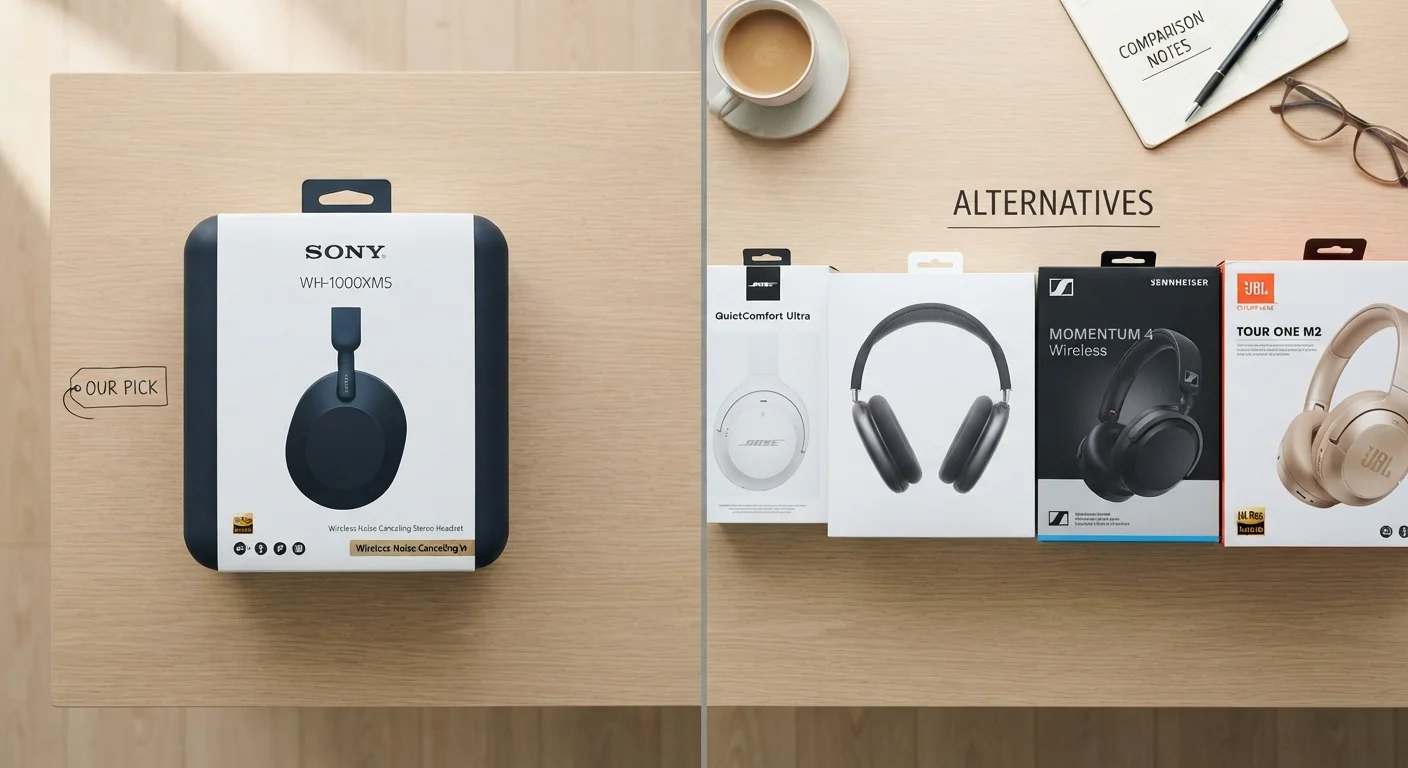
When two products are priced similarly, post-sale terms become a meaningful differentiator. A product with a longer warranty, a no-questions-asked return window, and well-documented support infrastructure is objectively lower risk than an equivalent product with weaker terms — even at the same price point.
This comparison matters especially in categories where failure rates vary or where repairs are expensive. Consider a major home appliance: if one option carries a two-year parts-and-labor warranty and another offers only 90 days on labor, that gap could translate to hundreds of dollars in out-of-pocket repair costs during the ownership period.
Understanding what value actually means includes exactly this kind of post-sale calculus — not just sticker price, but total cost of ownership over the realistic lifespan of what you're buying.
Post-sale terms can be the deciding factor between two otherwise equal products.
Know when extended warranties are and aren't worth it
Extended warranties — also called service contracts or protection plans — are frequently offered at checkout, often with urgency framing. Before agreeing, ask three questions:
- What does the manufacturer warranty already cover? If a product carries a strong multi-year warranty, an extended plan may duplicate coverage you already have.
- What does the extended plan actually cover that the manufacturer plan doesn't? Read the exclusions; accidental damage and cosmetic issues are frequently carved out.
- What is the realistic failure rate for this product category? Some categories (like small appliances) have low repair rates relative to extended warranty costs.
Extended warranties are one of retail's highest-margin add-ons. That doesn't mean they're never useful, but the burden of proof should be on the plan to demonstrate coverage value. Learn what extended warranties actually cover before adding one to your cart.
Extended warranties often duplicate coverage you already have — verify before you pay.
Apply the same thinking to big-ticket purchases like vehicles
Post-sale terms matter most when purchase prices are highest. When buying a vehicle, the warranty structure — powertrain coverage, bumper-to-bumper terms, corrosion protection — directly affects total cost of ownership and should be evaluated alongside price and features.
Certified Pre-Owned (CPO) programs, for instance, are defined largely by their warranty terms. Two CPO vehicles at similar prices can carry meaningfully different warranty durations and coverage scopes. That difference has real dollar implications over the ownership period. Combined with factors like depreciation (covered in detail in our guide to car depreciation), warranty terms are a core input in evaluating whether a vehicle purchase is genuinely sound.
The same logic applies to home appliances, electronics, and any category where repair costs are significant relative to purchase price.
Vehicle warranty coverage is a core financial variable, not a secondary feature.
Making post-sale terms part of every purchase decision
The instinct to focus on price and features is understandable — they're easy to compare and heavily marketed. Post-sale terms require a bit more effort to find and interpret, but that effort pays off in proportion to how much you're spending and how long you plan to own what you're buying.
Document Everything at Unboxing
If you need to make a warranty or return claim, your strongest position is documented proof of the product's condition and your receipt. Photograph items when you open them, keep original packaging until you're confident the product works correctly, and store receipts — digital or physical — in a dedicated folder. This costs nothing and protects your options.
For purchases where you're on the fence, post-sale terms are often the cleanest tiebreaker. A product backed by transparent, accessible support and clear warranty language carries less ownership risk than a comparable product without those attributes — regardless of which one has the flashier marketing. Premium pricing rarely correlates with better post-sale terms, so don't assume a higher price buys you better protection.
Manufacturer vs. Implied Warranty
In the U.S., most consumer products carry an implied warranty of merchantability under the Uniform Commercial Code — meaning the product should do what it's reasonably expected to do. This is separate from any written warranty a manufacturer provides. However, implied warranties can be disclaimed in some states and in some sale contexts (such as 'as-is' sales). For significant purchases, it's worth understanding which protections apply in your state.
Build the habit of reading warranty and return terms before finalizing any significant purchase. The few minutes spent upfront are significantly cheaper than discovering the fine print after something goes wrong.