Why a Structured Grocery Checklist Matters for Nutrition
Walking into a grocery store without a plan is one of the most common ways people end up with a cart full of snacks, duplicates, and very few vegetables. For nutrition newcomers especially, the sheer number of choices - and the marketing language on packaging - can make it genuinely hard to know what belongs in a balanced cart.
This checklist takes a category-by-category approach, covering the major food groups recognized by mainstream dietary guidelines: vegetables, fruits, whole grains, protein foods, and dairy or fortified alternatives. Within each category, it flags specific nutrient priorities - like fiber, iron, calcium, and healthy fats - so you understand why each item earns its place.
Think of this as an audit tool, not a rigid prescription. Your household size, dietary needs, cultural food preferences, and any health conditions you manage with a care provider will all shape what you ultimately buy. This checklist is general health education, not personalized nutrition advice - always work with a registered dietitian or your healthcare provider for guidance specific to your situation.
USDA MyPlate reference
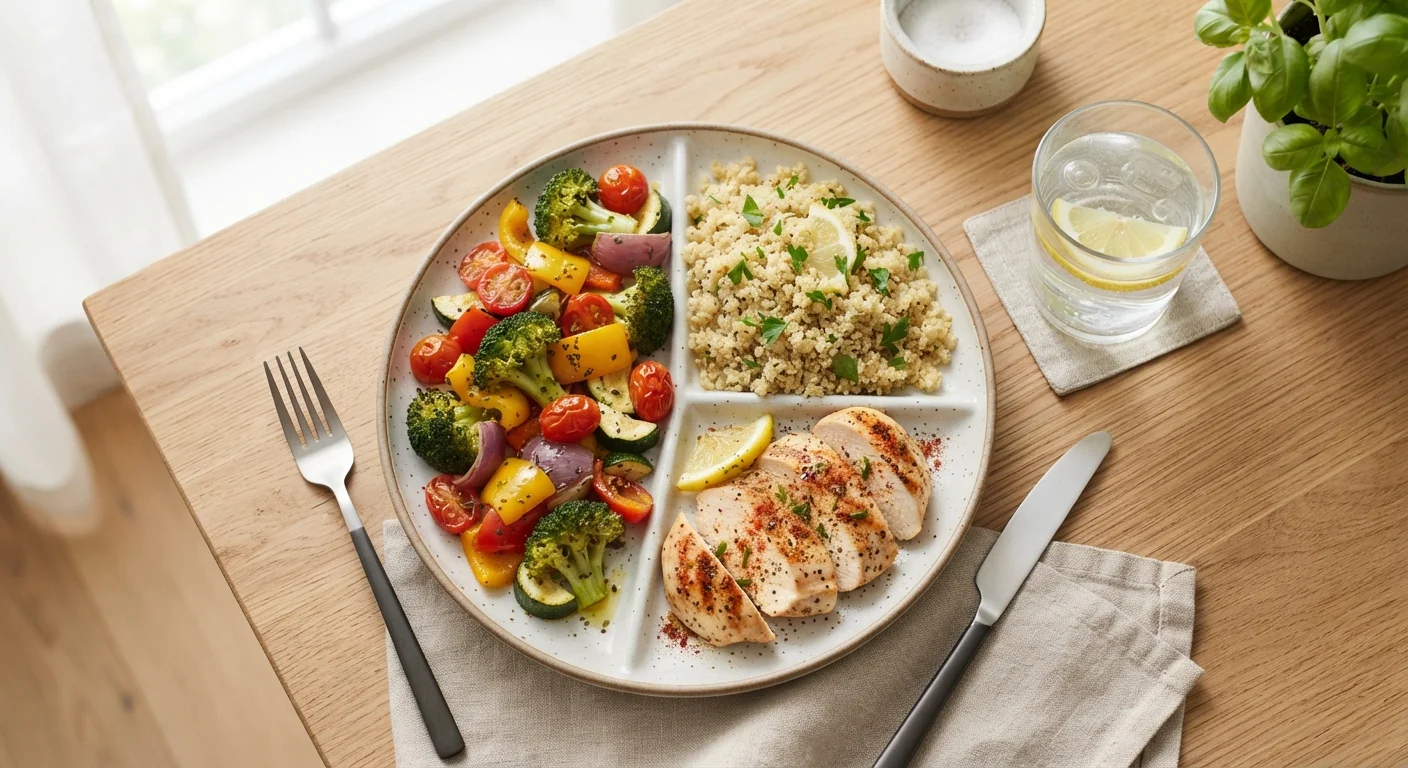
Use the MyPlate framework as a visual guide to understand recommended food group proportions per meal.
Nutrition Facts label
Read the Nutrition Facts panel on packaged foods to compare fiber, sodium, added sugars, and serving sizes.
Grocery list app or notepad
Organize your shopping by store section to save time and reduce the chance of skipping food group categories.
Registered dietitian consultation
Work with a licensed dietitian to tailor these general guidelines to your personal health needs or conditions.
How to Use This Checklist Effectively
Before you head to the store, scan the checklist and check off categories you already have covered at home. The goal is not to buy everything on it every single trip - it's to make sure you're not consistently skipping entire food groups week after week.
A few practical tips that help:
- Shop the perimeter first. Fresh produce, proteins, and dairy are typically along the store's outer walls. Fill these sections before moving to packaged goods.
- Read labels on packaged items. Look at the serving size, then check fiber (aim for items with at least 3 grams per serving), sodium (under 600 mg per serving is a reasonable reference for most items), and added sugars (lower is generally better for most packaged foods). These aren't hard rules - they're starting points for comparison.
- Don't overlook frozen and canned options. Frozen vegetables and fruits with no added sauce or sugar retain most of their nutrients and are often more affordable than fresh. Canned beans, fish, and tomatoes are pantry workhorses - just rinse canned beans to reduce sodium and choose fish packed in water or olive oil.
Just as a pre-trip car safety checklist helps you catch small issues before they become bigger problems on the road, a grocery checklist helps you catch nutritional gaps before they become habits. And much like the pre-purchase decision checklist that helps shoppers pause before adding something non-essential to their cart, this list encourages intentional choices over autopilot buying.
Vegetables
Fruits
Whole Grains
Protein Foods
Dairy and Fortified Alternatives
Healthy Fats and Oils
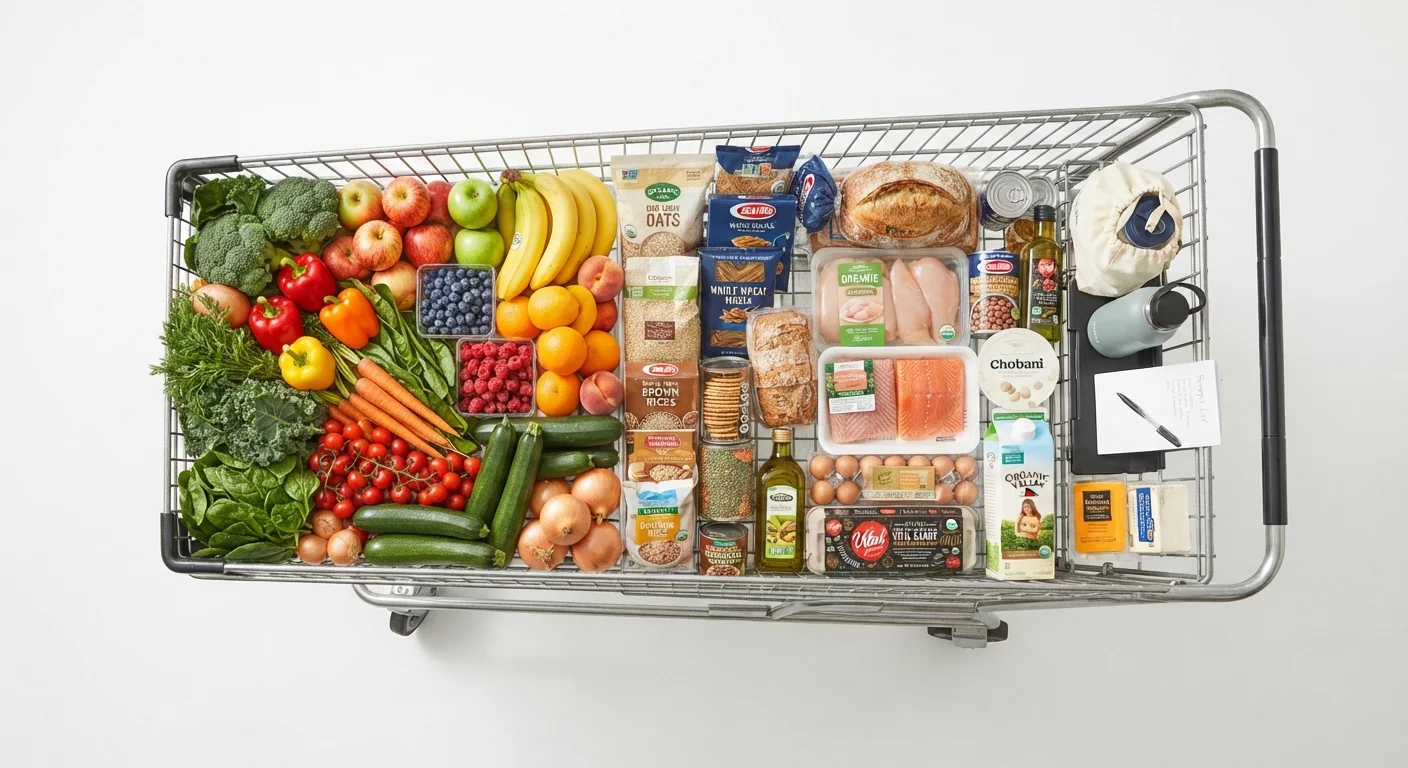
Label and Cart Audit
This Is Not a Personalized Meal Plan
The items in this checklist represent general nutritional principles based on widely recognized dietary guidelines. They are not tailored to your specific health status, allergies, medications, or medical conditions. If you have a chronic condition such as diabetes, kidney disease, or a cardiovascular condition, consult a registered dietitian or your healthcare provider before making significant dietary changes.
Front-of-Package Claims Can Be Misleading
Terms like "natural," "multigrain," "light," or "low-fat" on the front of a package are often marketing language and don't guarantee nutritional quality. A "multigrain" bread, for example, may still be made primarily from refined flour. Always flip to the Nutrition Facts panel and ingredients list for an accurate picture. The ingredients list is organized by weight - whatever appears first is the primary ingredient in that product.
Building Nutritional Habits Over Time
No single grocery run makes or breaks your nutrition. What matters more is the pattern across weeks and months. If you consistently leave the store with a variety of colors in your produce section, at least two different protein sources, a whole grain option, and a calcium-rich food, you're building a strong nutritional foundation.
Use this checklist as a self-audit: if you notice you never pick up leafy greens, legumes, or whole grains, those are worth exploring - not because any food is mandatory, but because variety tends to fill more nutritional gaps naturally. A registered dietitian can help you tailor these principles to specific health goals or dietary restrictions.
This article is for general informational and educational purposes only. It is not a substitute for personalized medical or nutritional advice. Please consult a qualified healthcare professional or registered dietitian before making significant changes to your diet, especially if you have a medical condition, are pregnant, or are managing a chronic illness.