Why the Litter Box Is a Health Window
Your cat can't tell you something feels off — but their litter box often can. Changes in frequency, output, consistency, or behavior around the box are frequently the earliest observable signs that something has shifted in your cat's health. Most veterinarians consider litter box monitoring a practical, no-cost screening tool that every cat owner can use at home.
This is true whether you have a kitten, an adult cat, or a senior. As covered in our guide to how aging changes pet health needs, older cats in particular develop new vulnerabilities that often show up in elimination habits before any other visible symptom appears.
Understanding what's normal for your specific cat is the foundation. Most adult cats urinate two to four times per day and defecate once or twice. Anything dramatically outside that window — especially sudden changes — warrants closer attention.
Common Litter Box Changes and What They May Signal
No single litter box behavior definitively diagnoses a condition — that's a job for a veterinarian. But patterns can help you describe what you're observing accurately, which makes any vet visit more productive.
Feline idiopathic cystitis (FIC)
Inflammation of the bladder in cats with no identifiable infectious cause. It's often stress-related and is one of the most common reasons cats strain to urinate.
Bladder crystals
Mineral deposits that can form in a cat's bladder or urethra, causing irritation, blockage, or pain. They often appear as gritty material in urine.
Hyperthyroidism
A condition in which the thyroid gland produces excess hormones. Common in older cats, it can cause increased thirst, urination, weight loss, and restlessness.
Litter box aversion
A behavioral pattern where a cat avoids using their litter box, often triggered by a negative experience associated with the box, pain, or undesirable box conditions.
Urination Changes
- Increased frequency with small output: Often associated with urinary tract infections (UTIs), feline idiopathic cystitis (FIC), or bladder crystals. Straining with little or no urine produced is a potential emergency, especially in male cats.
- Urinating outside the box: Can be behavioral (stress, box aversion) or physical (pain associated with the box, neurological issues, or loss of bladder control in senior cats).
- Visibly bloody or discolored urine: Always warrants a same-day or next-day vet call. Could indicate infection, inflammation, or bladder stones.
- Dramatically increased volume: Producing much more urine than usual may point to diabetes, kidney disease, or hyperthyroidism — conditions more common in middle-aged and older cats.
Defecation Changes
- Straining or crying in the box: May indicate constipation, obstruction, or pain. Chronic straining can lead to serious complications if untreated.
- Diarrhea (loose or watery stool): Short-term episodes can follow diet changes or stress. Persistent diarrhea lasting more than 24–48 hours, or accompanied by blood, merits veterinary attention.
- Skipping the box entirely: A cat that stops defecating for more than 48 hours should be seen by a vet to rule out obstruction.
For a broader look at how pets communicate physical discomfort, see how pets signal they're not feeling well.
When the Box Itself Is the Problem
Before assuming a medical issue, rule out litter box setup problems. Cats are highly sensitive to box conditions, and avoidance is sometimes a protest rather than a symptom.
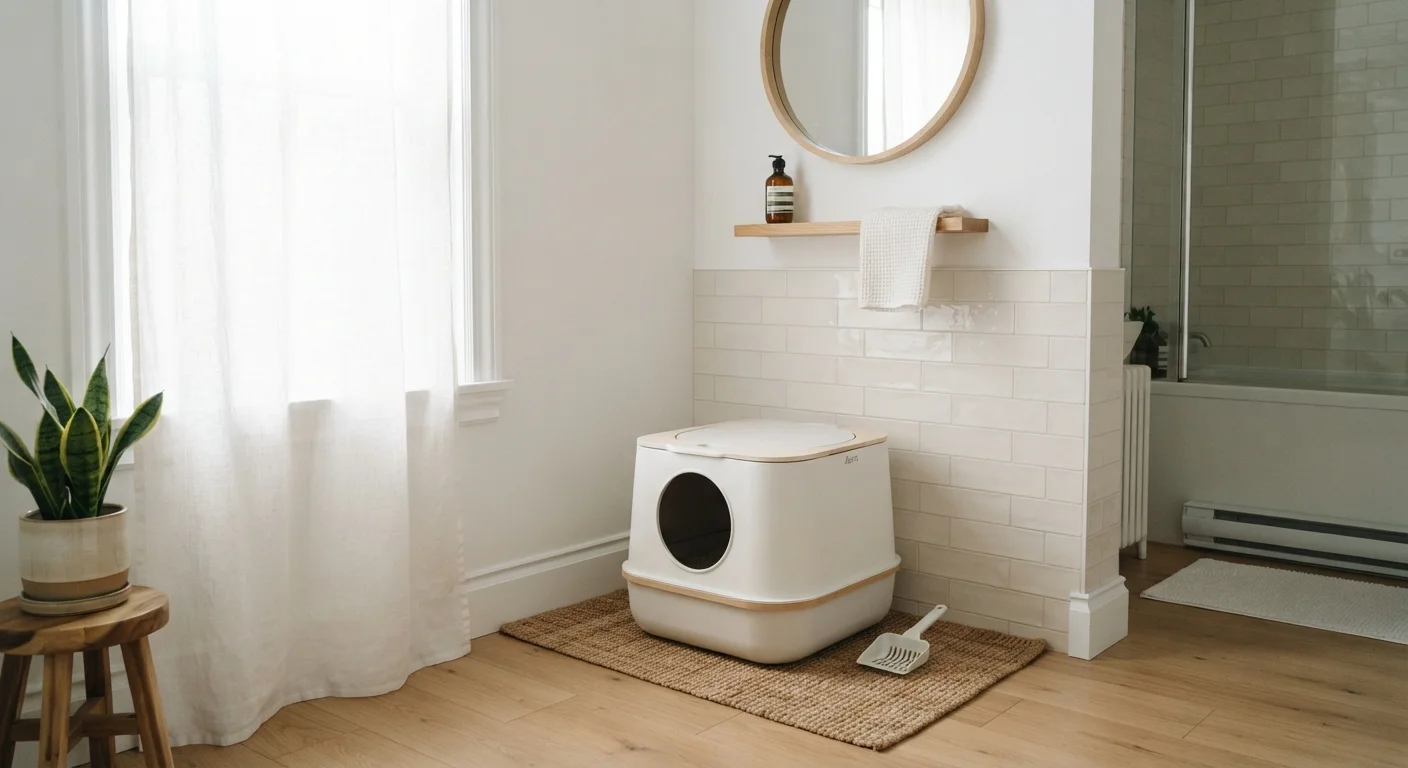
Common setup issues include: a box that's too small, a covered box that traps odors, a liner that catches claws, litter with a fragrance your cat dislikes, or a location that feels unsafe (near loud appliances, in high-traffic areas). The general rule of thumb is one litter box per cat plus one extra, each placed in a quiet, accessible location.
Our reference guide on litter box setup basics by pet type covers spatial and setup requirements in more detail.
Scoop Daily to Notice Changes Faster
Daily scooping isn't just about hygiene — it's how you establish a baseline for what's normal for your cat. If you scoop every day, you'll notice right away when clumps are unusually small, absent, or more frequent than typical. This habit makes it far easier to describe changes accurately to your vet.
If you've ruled out setup problems and a behavioral or health issue seems likely, a cat's indoor or outdoor lifestyle can also affect their baseline health risks and what conditions they're more exposed to.
This article is for general informational purposes only and is not a substitute for professional veterinary advice. If your cat's litter box habits change significantly, consult a licensed veterinarian promptly.