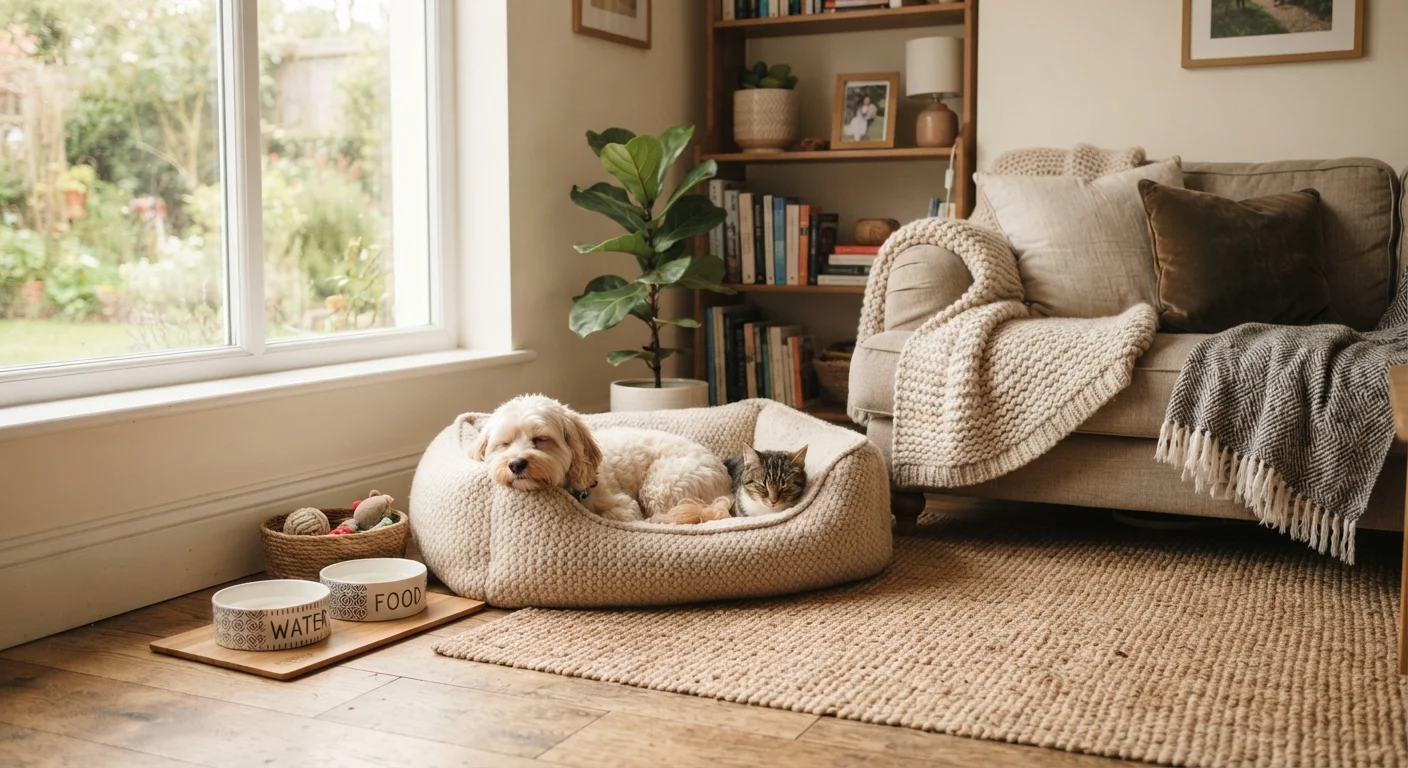
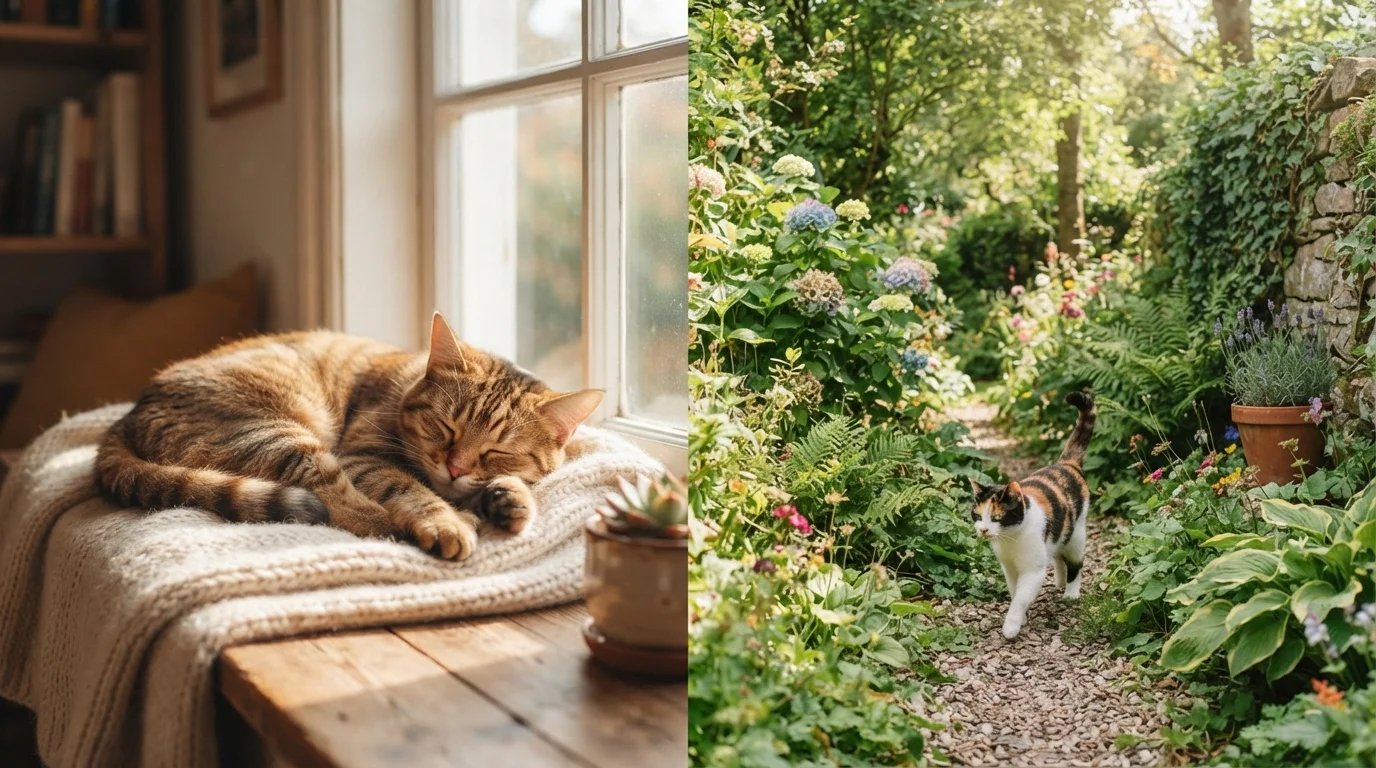
The Core Health Difference Between Indoor and Outdoor Life
The debate over keeping cats indoors versus allowing outdoor access isn't just about lifestyle preference — it has measurable health implications for your cat. Indoor cats and outdoor cats face genuinely different risk profiles, and understanding those differences is the first step toward making a well-informed decision for your specific pet.
Veterinary organizations, including the American Veterinary Medical Association, generally note that indoor cats tend to live longer on average than cats with regular outdoor access. Estimates from veterinary literature often cite indoor cat lifespans of 12–18 years compared to significantly shorter averages for outdoor cats, though these figures vary based on many factors. The gap is largely explained by the external hazards outdoor cats routinely face.
That said, a longer life isn't automatically a healthier or happier one. The quality of an indoor cat's environment matters enormously. For a deeper look at what research says about lifespan and enrichment, see what veterinary guidance generally indicates.
| Criterion | Indoor Cats | Outdoor Cats |
|---|---|---|
| Average lifespan | 12–18 years (estimated) | Often significantly shorter |
| Trauma risk | Low | High (vehicles, animals) |
| Infectious disease exposure | Low | High (FeLV, FIV, URI) |
| Parasite burden | Low without outdoor contact | High; requires ongoing prevention |
| Obesity risk | Higher without enrichment | Lower due to natural activity |
| Behavioral issues | More common without enrichment | Less common; needs met by roaming |
| Toxin/environmental hazard | Household hazards possible | Pesticides, plants, antifreeze risk |
| Veterinary visit frequency | Annually for most cats | More frequent visits often advised |
Health Risks Specific to Outdoor Cats
Outdoor cats encounter a range of hazards that indoor cats typically avoid entirely. These fall into several categories:
- Trauma: Vehicle collisions are among the most common causes of sudden death in outdoor cats. Dogs, wildlife, and other cats can also cause serious injuries.
- Infectious disease: Outdoor cats are far more likely to be exposed to feline leukemia virus (FeLV), feline immunodeficiency virus (FIV), and upper respiratory infections through contact with unfamiliar cats.
- Parasites: Fleas, ticks, intestinal worms, and ear mites are significantly more prevalent in cats with outdoor access. These aren't just nuisances — untreated parasite burdens can lead to anemia, organ stress, and secondary infections.
- Toxin exposure: Pesticides, rodenticides (rodent poisons), antifreeze, and toxic plants are outdoor risks that indoor cats rarely encounter.
Consistent preventive care — including vaccinations tailored to outdoor exposure and regular parasite control — is essential for any cat that goes outside. Your veterinarian can advise on what's appropriate for your cat's specific access level and local disease prevalence.
~2–5x
Relative lifespan difference, indoor vs. outdoor cats
Veterinary literature commonly estimates indoor cats live two to five times longer on average than free-roaming outdoor cats, though individual factors vary widely.
50–60%
Estimated rate of overweight or obese cats in the U.S.
The Association for Pet Obesity Prevention has tracked rising rates of feline obesity, with indoor sedentary lifestyles cited as a key contributing factor.
Health Risks Specific to Indoor Cats
Indoor living removes many acute dangers, but it introduces its own set of health challenges that owners sometimes underestimate.
Obesity is one of the most common health problems in indoor cats. Without the movement and stimulation that outdoor exploration provides, sedentary indoor cats are prone to weight gain — which in turn raises the risk of diabetes, joint problems, and liver disease. Understanding how food type affects your cat's health can be a helpful starting point for managing caloric intake.
Boredom and behavioral issues are also more common indoors. Cats are natural hunters. Without adequate stimulation, they may develop repetitive behaviors, excessive grooming leading to skin problems, or inappropriate elimination. Changes in litter box habits are often among the first signs that something is off — learn more in our guide to decoding your cat's litter box habits.
Indoor environments can also contain hazards of their own — certain houseplants, cleaning products, small ingestible objects, and unsecured windows. Our guide on setting up a safe indoor environment covers how to assess and reduce those risks.
Bridging the Gap: Enrichment and Preventive Care
Whichever lifestyle your cat has, proactive care does a lot to reduce the risks on both sides of this equation.
For indoor cats, enrichment is non-negotiable. Rotating toys, puzzle feeders, window perches, cat trees, and dedicated play sessions all help satisfy hunting and movement instincts. Aim for at least two structured play sessions per day. If your cat shows strong interest in the outdoors, a secure outdoor enclosure or leash training can provide stimulation without the risks of free-roaming.
For outdoor cats, consistent veterinary visits are especially important. Annual or biannual checkups, up-to-date vaccinations appropriate for outdoor exposure, and year-round parasite prevention are baseline necessities rather than optional extras.
As cats age, both indoor and outdoor environments need to be reassessed. Mobility changes, altered immune function, and shifting behavioral needs mean care routines that worked at age three may not serve a twelve-year-old cat as well. Our article on how aging changes your pet's health needs offers a useful framework for thinking through those adjustments.
The 'Supervised Outdoor' Middle Ground
Many veterinarians suggest that leash-trained cats or those with access to a secure outdoor enclosure get meaningful environmental stimulation with dramatically reduced risk. This approach is worth discussing with your vet if your cat shows strong outdoor drive but free-roaming isn't safe in your area. Setup and training do require patience, but many cats adapt well.
This article provides general information about cat care and is not a substitute for advice from a licensed veterinarian. Always consult your vet for guidance tailored to your individual cat's health status and circumstances.