How Extended Warranties Work — and Who Profits
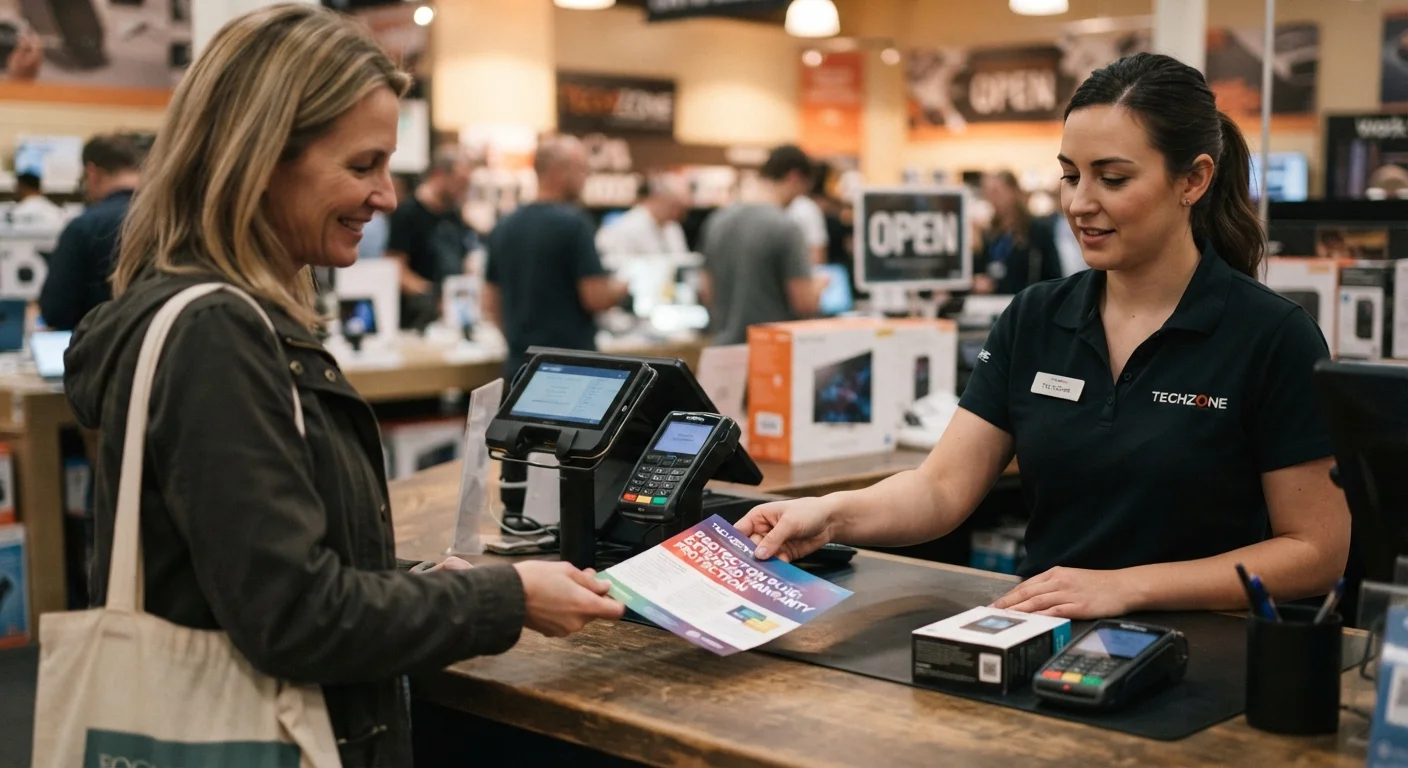
When a cashier asks "Would you like to add protection?" at checkout, what they're selling is a service contract — a separate agreement that promises to pay for certain repairs if the product breaks down within a defined period. You pay upfront (or sometimes finance it into a larger purchase), and in return you get a document describing what is and isn't covered.
The business model is straightforward: retailers and third-party warranty administrators collect far more in premiums than they pay out in claims. Industry reporting has consistently shown that extended warranties on consumer electronics carry some of the highest profit margins in retail — often 40 to 80 percent gross margin, according to various retail industry analyses. That margin exists because most products don't fail within the warranty window, or fail in ways the contract explicitly excludes.
40–80%
Typical gross margin on retail extended warranties
Retail industry analyses have consistently documented that extended warranties on consumer electronics carry among the highest profit margins in the sector.
~$40B
Estimated U.S. extended warranty market size
The U.S. extended warranty and service contract market has been estimated at tens of billions of dollars annually, reflecting how widely these products are sold across retail categories.
1 in 3
Shoppers who say they've purchased an extended warranty
Consumer surveys have found that a substantial share of American shoppers have bought at least one extended warranty, often at the point of sale without comparing contract terms.
Understanding this profit structure doesn't mean the contracts are useless — it means the burden is on the consumer to evaluate whether the math works for their situation, not to accept the pitch at face value.
What the Contract Actually Covers
Coverage varies enormously between sellers, but most extended warranties follow a similar structure. They typically cover mechanical or electrical failures that occur during normal use after the manufacturer's warranty expires. That sounds broad until you read the exclusions.
Standard exclusions in most contracts include:
- Accidental damage — drops, spills, and physical impact are commonly excluded unless you pay extra for an "accidental damage" rider
- Cosmetic damage — scratches, dents, and discoloration are rarely covered
- Normal wear and tear — batteries losing capacity, screen brightness fading, and similar degradation are typically excluded
- Unauthorized repairs — if someone other than the warranty's designated repair center touches the product, coverage may void
- Pre-existing conditions — problems present at the time of purchase are excluded
The gap between what shoppers assume is covered and what the contract actually promises is where most disputes arise. Our article on reading fine print before you buy walks through what to look for in any retail contract.
Coverage You May Already Have
Before paying for an extended warranty, it's worth checking what protection you already have at no extra cost.
Manufacturer's warranty: Most new products come with at least a one-year warranty covering defects in materials and workmanship. Some categories — major appliances, for example — often carry longer coverage on specific components.
Credit card purchase protection: Many credit cards automatically extend the original manufacturer's warranty by one to two additional years on eligible purchases made with that card. This benefit is built into the card at no separate charge. Check your card's benefits documentation to confirm eligibility.
State lemon laws and consumer protections: Depending on your state, consumer protection statutes may give you remedies if a product persistently fails to work as advertised, separate from any warranty contract.
Check Your Credit Card Benefits First
Before agreeing to a paid extended warranty, log into your credit card's benefits portal or call the number on the back of your card and ask about purchase protection and extended warranty coverage. Many cards automatically extend the original manufacturer's warranty at no additional cost — a benefit millions of cardholders never use because they don't know it exists.
The overlap between these existing protections and a paid extended warranty is often significant — particularly for lower-priced electronics where the warranty fee might represent 20 to 30 percent of the product's replacement cost. For a broader look at how post-sale terms affect total value, see warranty and after-sale support as value factors.
When the Calculation Shifts
Extended warranties are rarely a straightforward good deal for everyday electronics. But the picture can look different in specific circumstances.
For large appliances with expensive-to-replace components — refrigerators with complex compressor systems, for example — a single repair can run several hundred dollars. If the warranty is priced modestly relative to that repair cost and the exclusions don't carve out the most likely failure points, the contract may carry more practical value.
The same logic applies to high-cost items where labor costs alone make repairs prohibitive. The key question to ask: What is the most likely thing to go wrong with this product, and does this contract actually cover it? If the most common failure mode is excluded, the contract provides little real protection regardless of its headline price.
Dealership-offered vehicle service contracts deserve their own scrutiny. The same high-pressure, high-margin dynamics that apply to retail electronics apply there — often more so. Our piece on why buyers overpay at the dealership covers how these upsells fit into a broader pattern of add-on sales tactics.
The most useful habit: always request the full contract terms before agreeing, and read the exclusions section first — not the marketing summary the salesperson describes.